About this landmark
Riverside Nature at San Pedro and Babocomari Junction
Unique Confluence in Southeastern Arizona
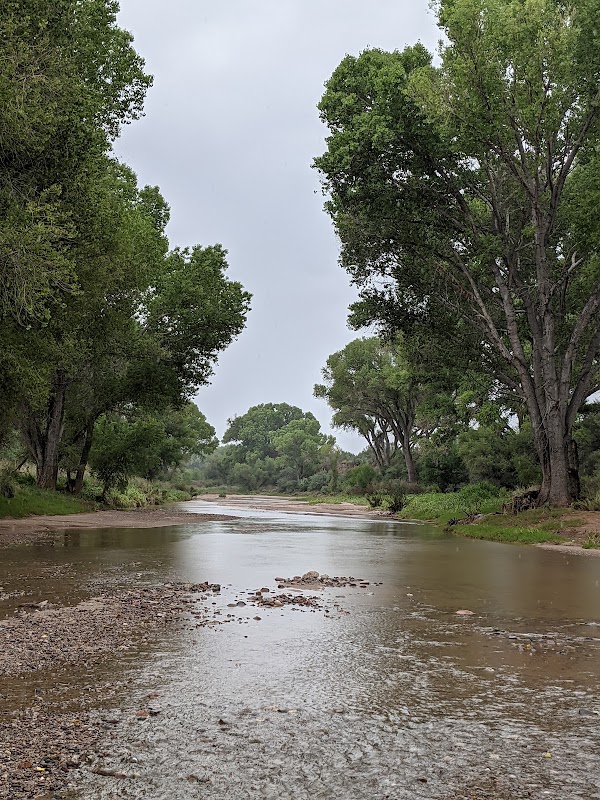
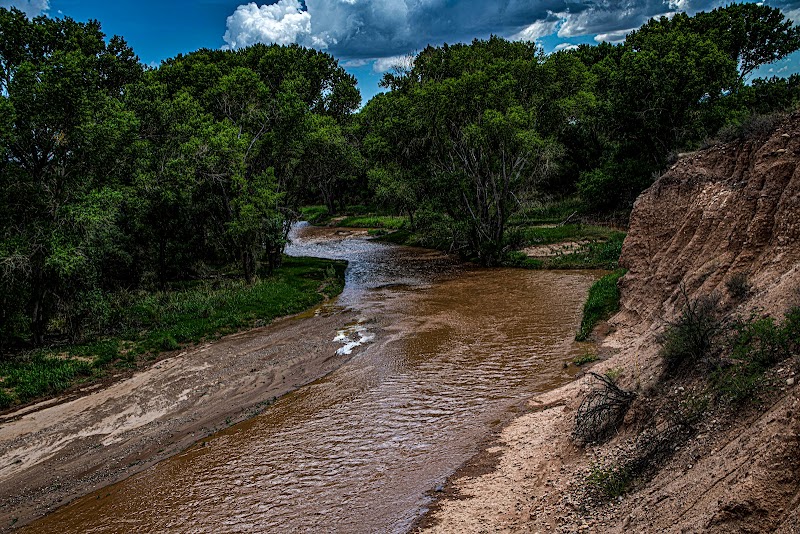
The junction of the San Pedro and Babocomari Rivers near Huachuca City, Arizona, offers a rare glimpse into a vibrant riparian habitat in the heart of the Sonoran Desert region. This natural meeting point of two waterways supports an abundance of wildlife and lush vegetation, standing out as a vital oasis in an otherwise arid landscape.
Notable Features of the Area
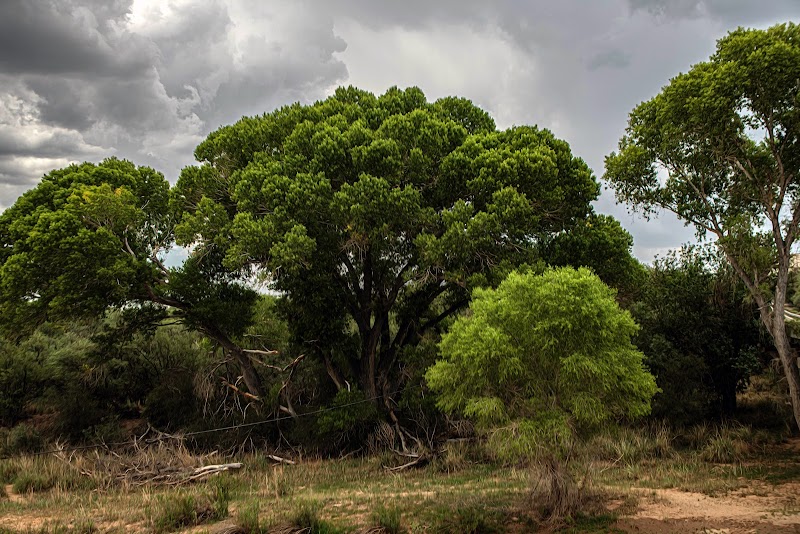
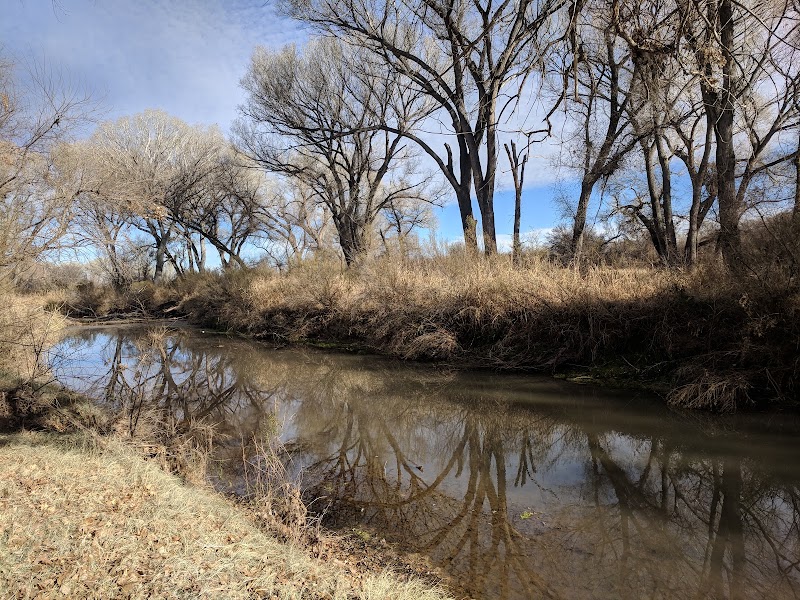
The San Pedro River is one of the last free-flowing rivers in the Southwest, winding through grasslands and cottonwood-willow forests. The Babocomari River, a tributary joining here, adds to this ecological richness. Together, they create a dynamic habitat for diverse birds, mammals, and native plants. The waterway banks are lined with towering cottonwoods and sycamores, providing shade and shelter along the river’s edge. This locale is particularly significant for migratory birds, attracting birdwatchers year-round.
Historical and Environmental Context
This region holds historical importance as the San Pedro River corridor has been a natural travel and settlement route for millennia, with archaeological sites tracing back to indigenous cultures. The river and its tributaries also play a crucial role in local groundwater recharge and maintaining biodiversity amidst the desert climate.
The confluence near Huachuca City promises visitors a peaceful, scenic experience, highlighting natural Arizona away from crowded parklands. It’s a favored spot for quiet photography, wildlife observation, and reconnecting with the natural rhythms of desert waterways.
Adventure Guide
Adventure Guide To San Pedro River and Babocomari River Junction
1. Hiking Along the San Pedro Riparian National Conservation Area
- What makes it special: Scenic hiking trails run parallel to the river, offering close encounters with cottonwood trees and frequent sightings of wildlife like herons, deer, and occasionally javelinas.
- Features: Well-maintained paths suited for moderate hikers; interpretive signage highlights ecology and history.
- Local insight: Consider timing your hike during bird migration seasons (spring and fall) for birdwatching opportunities.
- Visitor tip: Bring sturdy shoes, plenty of water, and sun protection. Early mornings or late afternoons provide cooler temperatures and better photo light.
2. Birdwatching at the River Junction
- What makes it special: The meeting of two river ecosystems creates a hotspot for over 350 bird species, including riparian specialists like the southwestern willow flycatcher.
- Features: Designated viewing spots with benches along the riverbanks.
- Local insight: Binoculars and a bird guidebook enhance the experience; quiet observation increases chances of spotting elusive species.
- Visitor tip: Bring insect repellent and wear neutral colors to avoid startling birds.
3. Fishing and Wildlife Viewing by the Rivers
- What makes it special: The waters here support small native fish and amphibians, attracting otters, herons, and occasionally river otters.
- Features: Shallow river edges ideal for catch-and-release fishing and nature watching.
- Local insight: Fishing is regulated to protect native species—check local guidelines.
- Visitor tip: Lightweight fishing gear and polarized sunglasses improve water visibility.
How to Get There
- Driving: From Huachuca City, head northeast on AZ-82 for about 10 minutes. Follow signs for the San Pedro Riparian National Conservation Area.
- Best time: Late winter to early spring offers mild temperatures and flowing water; summer can be hot and dry.
- What to bring: Water, sunscreen, hats, insect repellent, and camera or binoculars.
Visitor Tips
- Best Times:Spring and Fall for favorable conditions and optimal lighting.
- What to Bring:Plenty of water, sun protection, a camera, and respectful Leave-No-Trace mindset.