About this landmark
Vienna Woods: A Verdant Getaway
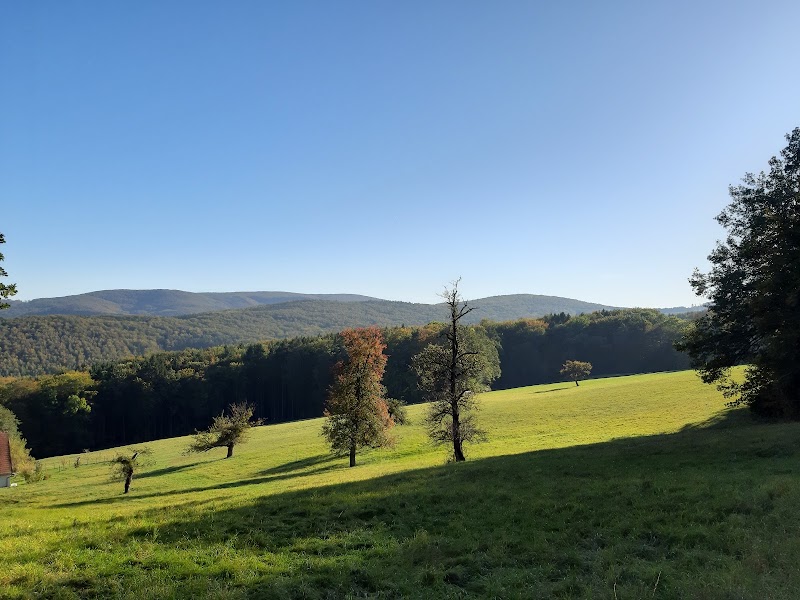
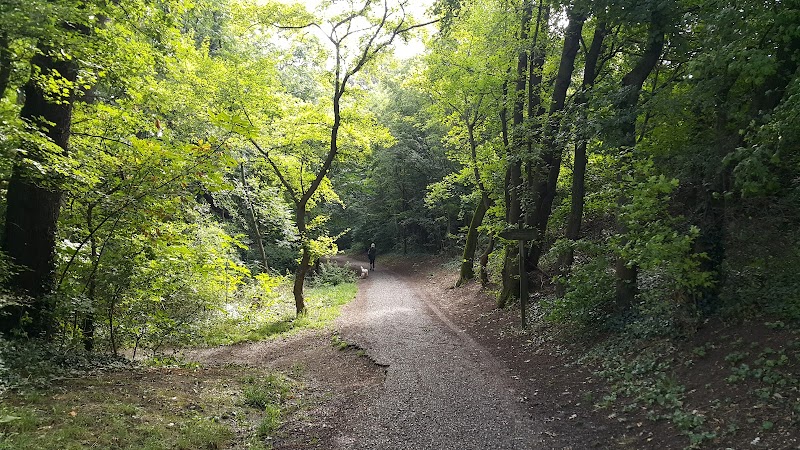
Vienna Woods, or Wienerwald, lies just west of Vienna, Austria, offering an inviting expanse of lush greenery and tranquility. This natural retreat is a treasure trove of diverse flora and fauna, stretching across the foothills of the Northern Limestone Alps. The woods serve as a natural buffer, safeguarding Vienna from harsh climatic conditions, and are an integral part of local heritage. Recognized as a UNESCO Biosphere Reserve, Vienna Woods boasts a diverse ecosystem preserving a wide range of habitats.
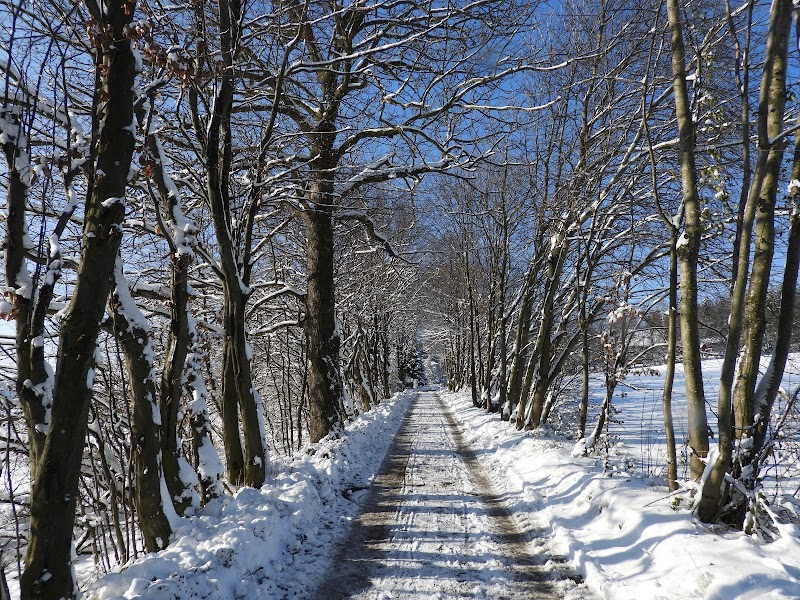
Explorers will find themselves enchanted by the myriad trails that weave through oak and beech forests, unveiling panoramic vistas of the Austrian landscape. The dense forest harbors wildlife that includes the rarely seen black stork and the majestic European wildcat. These woods not only promise a respite from urban life but also remain a symbol of cultural importance, once serving as a hunting ground for Austrian royalty.
Soak in the serene ambiance and discover the essence of Vienna Woods—where nature, history, and culture converge.
Adventure Guide To Vienna Woods
Hiking in Wienerwald
- Specialty: Extensive trails with varying difficulty levels, offering scenic views.
- Features: Trails like the Stadtwanderwege (city hiking trails) surround Vienna and provide easy access.
- Local Insights: Enjoy trails that pass historical ruins and charming villages.
- Visitor Tips:
- Best Time: Spring and summer offer lush scenery; autumn for captivating foliage.
- What to Bring: Comfortable hiking shoes, water, and a map.
- Directions: From Vienna, drive 30 minutes west to reach key trailheads.
Mountain Biking Adventures
- Specialty: Thrilling routes amidst rolling hills and dense forests.
- Features: Paths suitable for all skill levels, with bike rentals available.
- Local Insights: Experience the rich biodiversity as you navigate through varied terrains.
- Visitor Tips:
- Best Time: Late spring to early autumn.
- What to Bring: Helmet, snacks, and protective gear.
Wildlife Watching
- Specialty: Spot rare species like the black stork and European wildcat.
- Features: Designated observation points for a patient watch.
- Local Insights: Mornings and evenings are ideal times for wildlife activity.
- Visitor Tips:
- Best Time: Early mornings or late afternoons.
- What to Bring: Binoculars, camera, and patience.
Visitor Tips
- Best Times:Spring and Fall for favorable conditions and optimal lighting.
- What to Bring:Plenty of water, sun protection, a camera, and respectful Leave-No-Trace mindset.