About this landmark
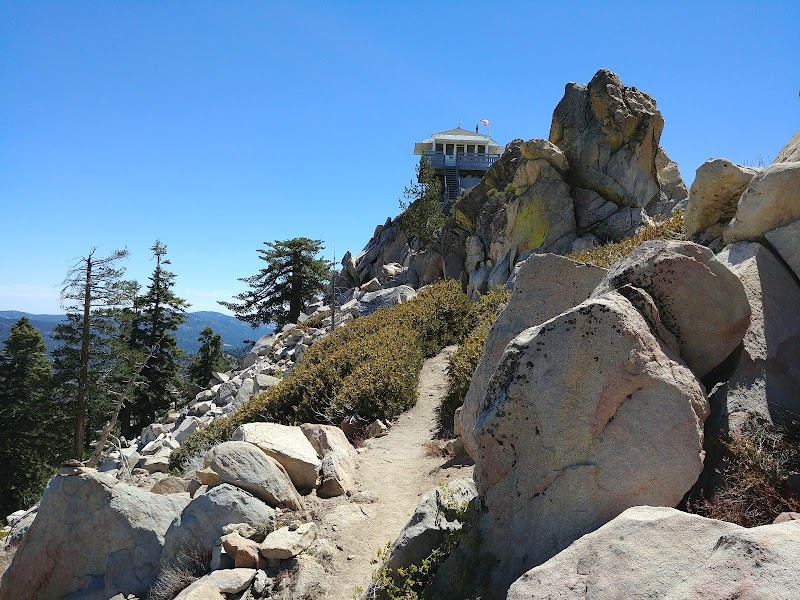
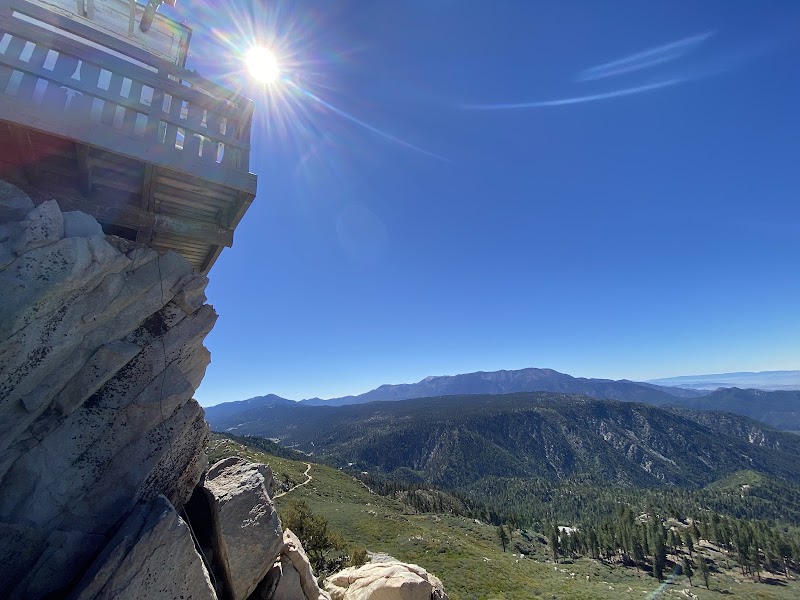
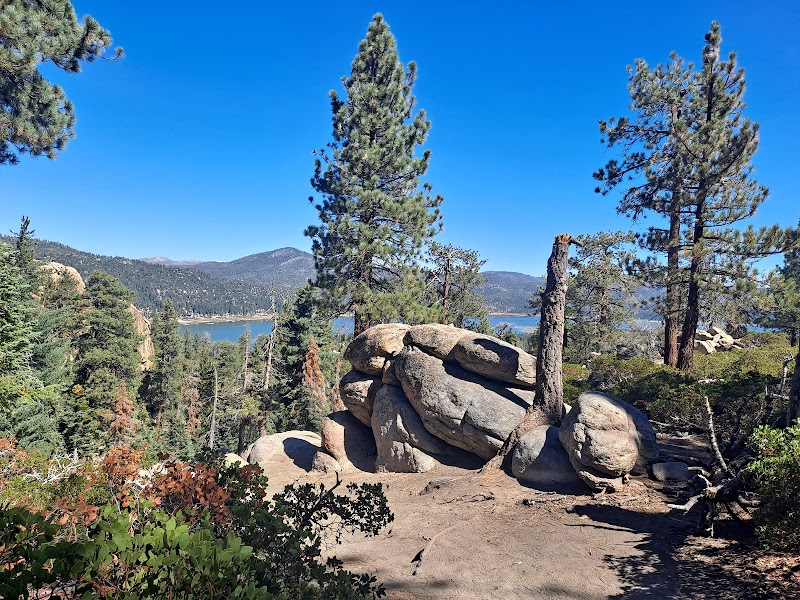
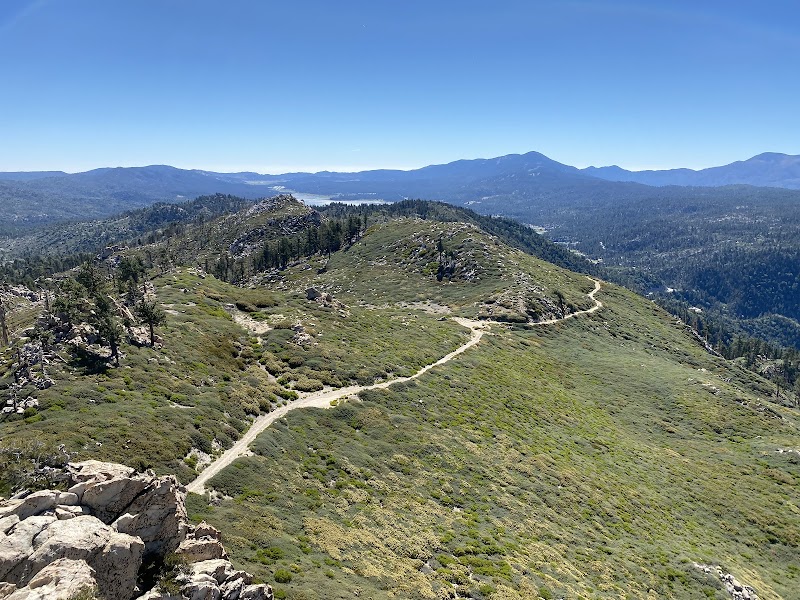
Butler Peak, situated in the stunning San Bernardino Mountains of California, offers travelers breathtaking vistas and serene landscapes that make it a must-visit destination in this region. Known for its high vantage point, the peak provides panoramic views of the surrounding lakes, forests, and peaks like none other in the area. A standout feature of Butler Peak is the historic fire lookout, which perches atop the rocky summit, offering visitors a glimpse into the past with its role in wildfire detection.
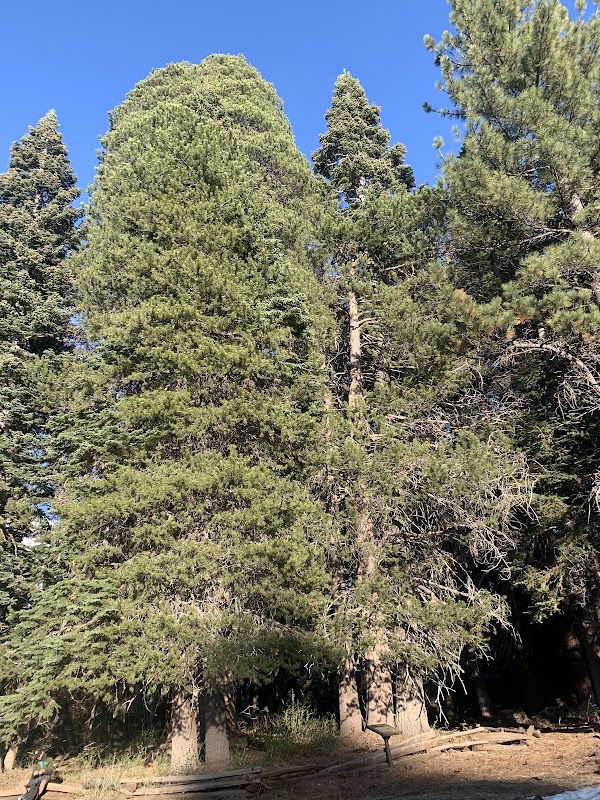
The rugged terrain features native flora such as Jeffrey pines and manzanita, contributing to an environment that feels both wild and welcoming. Local wildlife, including deer and various bird species, adds an element of natural charm to the experience. A visit during the warmer months reveals stunning greenery, while the cooler months bring a crispness to the air that's invigorating.
Adding to its uniqueness, Butler Peak is less frequented compared to other peaks in the California region, providing a more secluded and tranquil setting for those seeking solitude in nature. Whether you're hiking to the peak or simply soaking in the view from below, Butler Peak promises to be a highlight in any nature lover’s itinerary.
Adventure Guide
Adventure Guide To Butler Peak
1. Hiking to Butler Peak Lookout
- What Makes It Special: The hike to the fire lookout is a rewarding journey that showcases expansive views of Big Bear Lake and the San Bernardino Mountains.
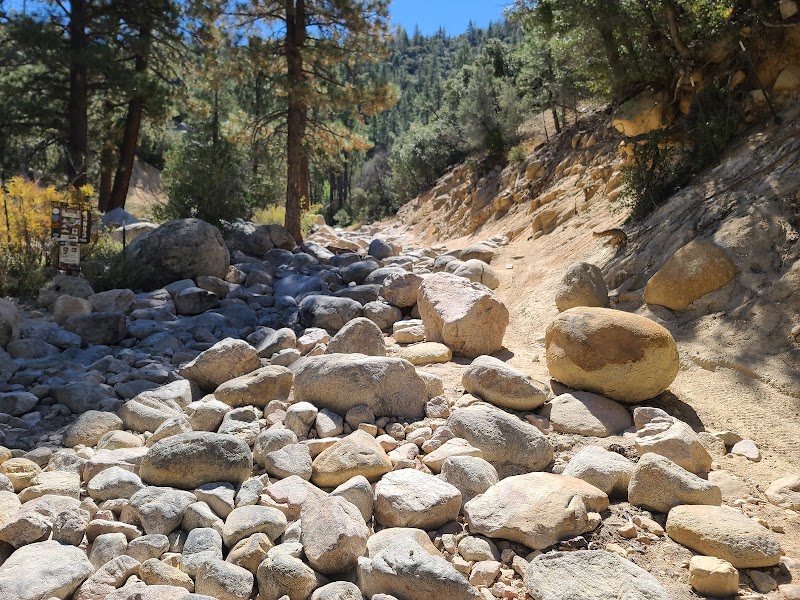
- Key Features: The trail ascends through a mix of forested areas with trail markers guiding the path.
- Visitor Tips:
- Best Time to Visit: Late spring to early fall when the weather is most favorable.
- What to Bring: Water, sunscreen, sturdy hiking boots, and a camera to capture the stunning views.
- Driving Directions: From Big Bear Lake, follow CA-38 W and turn right onto Keller Peak Road. The drive takes approximately 1 hour.
2. Bird Watching Excursions
- What Makes It Special: The peak is a great spot for bird enthusiasts with sightings of hawks, eagles, and other native birds.
- Key Features: Open vistas and diverse avian species.
- Visitor Tips:
- Best Time to Visit: Early morning or late afternoon.
- What to Bring: Binoculars, a bird guidebook, and a comfortable seat.
3. Photography Expeditions
- What Makes It Special: The diverse landscapes make it a perfect location for capturing the beauty of nature.
- Key Features: Varied terrain and lighting conditions offer endless photographic opportunities.
- Visitor Tips:
- Best Time to Visit: Sunrise or sunset for the best light.
- What to Bring: Camera gear, tripods, extra memory cards.
Visitor Tips
- Best Times:Late Spring to Early Fall for favorable conditions and optimal lighting.
- What to Bring:Plenty of water, sun protection, a camera, and respectful Leave-No-Trace mindset.