THE ADVENTURE COLLECTIVE® · Independent discovery and booking for outdoor travel
Top Photography Tours in Acton, Massachusetts
Acton Photography Tour Guide

Top Photography Tours in Acton, Massachusetts

From river reflections and marshland light to intimate woodland studies and winter ice textures, Acton offers a compact landscape ideal for focused photography tours. This guide highlights accessible locations, seasonal strategies, and practical planning for photographers of all levels.

NARA ParkAssabet River & marshesGreat Hill Conservation LandNagog HillHistoric town center & stone walls

Live destination inventory

Top Photography Tour Trips in Acton

8 trips · Book with confidence · Instant confirmation

About The Destination

Why Acton Is a Standout Photography Tour Destination

Acton is the kind of New England town that reads like a photo essay: stone walls that edge neat pastures, a low ribbon of river that catches morning light, and a scattering of small conservation parcels that make excellent study subjects for photographers. The scale here is intimate—walkable pockets of water, marsh, and oak-studded hills that reward careful observation more than brute force scouting. That intimacy is a photographer's luxury. Instead of chasing distant summits or remote alpine light, you can spend a morning at a single location exploring changing angles, micro-details, and shifting conditions, then move to another site in minutes. The result is efficient, layered shoots where every stop has multiple compositions.

Seasonality in Acton sharpens photographic intent. Spring and early summer give you green spring floods, carpets of wildflowers, and returning migratory birds; summer mornings bring mist on the Assabet and jewel-toned dragonflies in the marshes; fall turns the town’s small hills and river corridors into a study in warm color and reflected skies; winter strips scenes down to form and texture, freezing trickles into glassy accents and exposing stone walls and skeleton trees for high-contrast compositions. Light is often soft and diffuse during New England’s transition seasons, which benefits long exposures and subtle tonal work, while bright winter sun can deliver crisp shadows and graphic lines.

Beyond landscapes, Acton’s human story is quietly photogenic: historic mill-era buildings, classic New England homesteads, and the town common all provide cultural texture. Combining landscape work with cultural or documentary elements—portraits against stone walls, environmental portraits near the river, or detail shots of weathered wood and ironwork—adds narrative depth to photography tours. Because parking and access are generally straightforward, Acton is also well suited to guided workshops, teacher-led field days, or self-directed half-day tours that pair technique sessions (like macro and long-exposure practice) with location scouting. For photographers who want quick edits between setups, the compact geography means you can test frames, adjust gear, and revisit a scene within the same morning to catch shifting light.

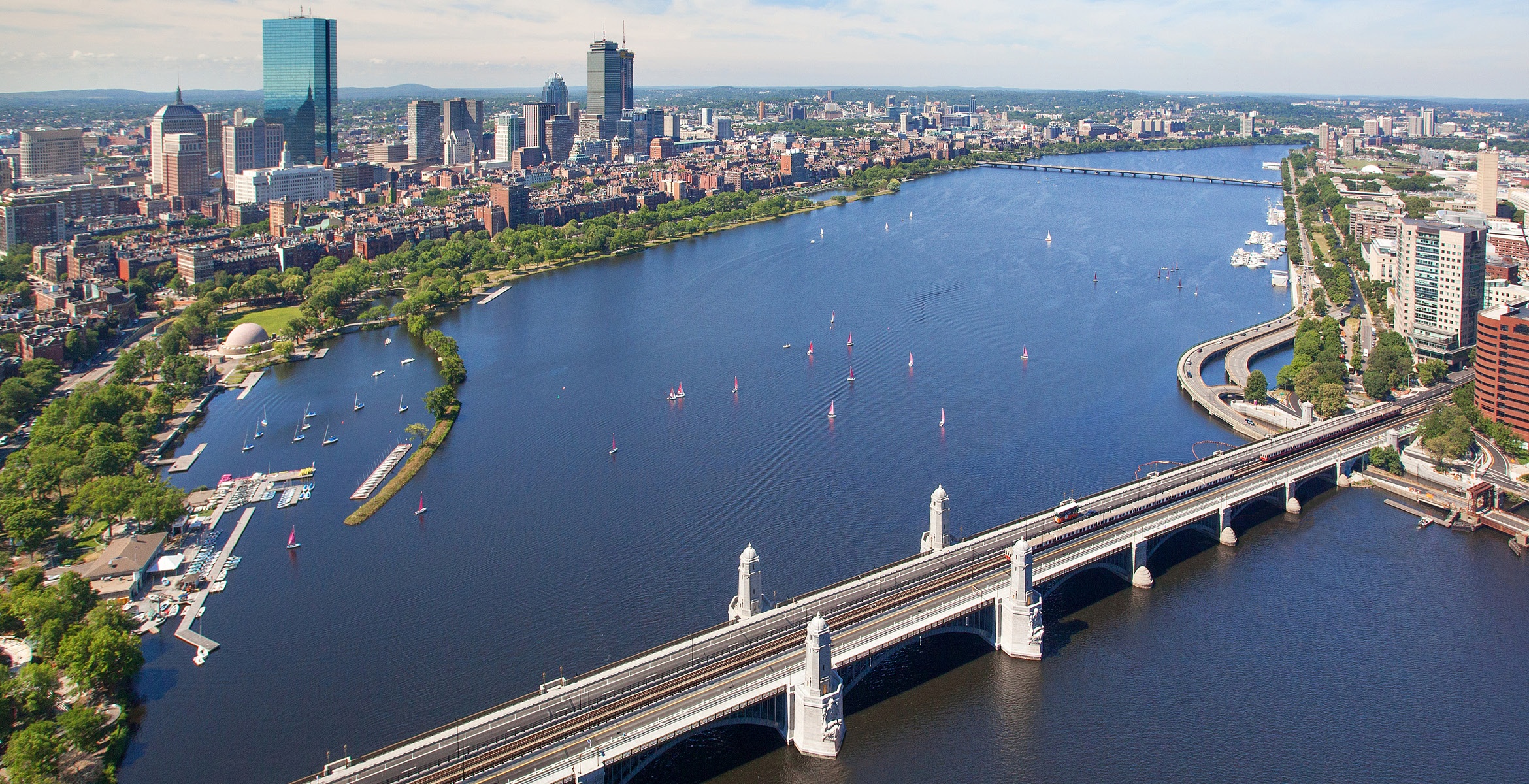
The range of terrain—marsh, river, pond, woodland, and pastoral edges—lets photographers practice diverse techniques in short drives. Wetland reflections and long exposures, woodland macro and texture work, and open-sky silhouette shots are all feasible in a single day.

Acton’s proximity to greater Boston and other regional centers makes it an ideal day-trip destination for workshops and photo-tour operators. You’ll find a mix of quiet weekday opportunities and lively weekend activity during foliage season.

Key Highlights

•Activity focus: Photography tours—landscape, nature, and small-group workshops
•Number of matching experiences: 8 guided or self-guided options
•Best for: sunrise river reflections, fall foliage, intimate woodland and macro sessions
•Access: Mostly short walks from trailhead parking; few steep climbs
•Local consideration: Respect private property and seasonal wetland closures

Seasonal planning

Best Time to Visit

Spring and fall provide the most forgiving light and comfortable temperatures; summer mornings can be humid with insect activity near wetlands, and winter offers dramatic, high-contrast scenes but shorter daylight and potential ice.

Top Photography Tours in Acton, Massachusetts
Seasonal Highlights

Peak Season: Fall foliage (September–October) draws the most visitors and produces the most dramatic river and hill compositions.

Recommended months: May, June, September, October, November

Peak season

Fall foliage (September–October) draws the most visitors and produces the most dramatic river and hill compositions.

High-demand period with peak activity schedules.

Best months

May – June – September – October – November

Optimal conditions for outdoor activities and tours.

Weather & conditions

Spring and fall provide the most forgiving light and comfortable temperatures; summer mornings can be humid with insect activity near wetlands, and winter offers dramatic, high-contrast scenes but shorter daylight and potential ice.

Off-season & shoulder periods

Winter weekdays provide solitude and stark, textural images—best for photographers prepared for cold and icy trails.

Match the trip to your comfort

Choose Your Experience Level

Introductory

Beginner

Short, flat walks and accessible riverbank viewpoints that prioritize composition basics, light study, and simple long-exposure practice.

  • Sunrise reflections at a calm pond
  • Guided introduction to polarizers and ND filters
  • Town-center and stone-wall composition walk
Active outing

Intermediate

Longer field sessions combining landscape technique with macro studies and early-morning wildlife patience.

  • Marsh and river long-exposure sequences
  • Woodland macro workshop focusing on texture and depth of field
  • Late-afternoon portrait sessions using autumn light
Challenging / Technical

Advanced

Technique-driven shoots: night-sky or low-light long exposures, multi-stop exposure blending, and location-based storytelling projects.

  • Pre-dawn river mist and layered exposure composites
  • Night photography and star-trailing at remote conservation parcels
  • Seasonal projects combining landscape and cultural detail

Recommended Gear

What to Bring

Essential

Core items

  • Camera body and at least two lenses (wide and a short telephoto)
  • Sturdy tripod for long exposures and low-light work
  • Spare batteries and memory cards
  • Weather protection: rain cover for camera and yourself
  • Comfortable walking shoes with some grip
Recommended

Helpful extras

  • Circular polarizer and ND filter for marsh reflections and long exposures
  • Lens cleaning kit and microfiber cloth
  • Light backpack or gear sling for quick moves between spots
  • Portable hand warmers in cold months
Optional

Trip-specific

  • Macro lens for close-up botanical and insect work
  • Telephoto 70–200mm for bird and detail shots
  • Satellite app or offline map for remote property boundaries
  • Neutral-colored clothing for environmental portraits
Confirm access rules and parking before you go, and leave no trace. Respect seasonal wildlife closures and private property.

Insider Tips & Local Knowledge

Plan shoots around golden and blue hours; NARA Park consistently rewards early light on still mornings for mirror-like reflections. In fall, arrive before sunrise to capture color with calm water—wind picks up later in the day and spoils reflections. For intimate woodland details, work low and slow: a small tripod and a macro lens reveal moss, bark texture, and fungi. Use a polarizer to tame surface glare on leaves and water, and bring an ND filter for silky marsh and river exposures. In winter, keep spare batteries warm—cold reduces capacity—and swap gloves designed for dexterity. If you’re leading or joining a group, coordinate arrival times and parking to minimize impact on neighborhood lots. Finally, combine complementary activities: birdwatching or a guided nature walk can elevate a photography tour by pointing out seasonal subjects, while a local history stroll adds context and narrative to landscape work.

Planning questions

Frequently Asked Questions

Most casual photography for personal use does not require permits on public conservation land, but organized commercial shoots or use of tripods in high-traffic areas may require permission from town or land managers. Always check the landowner or town website if you plan a professional shoot.
Top Photography Tours in Acton, Massachusetts
Ready for your photography tour adventure?

Browse 8 verified trips in Acton.

Compare current availability and book with instant confirmation.

Explore Acton photography tour trips →