THE ADVENTURE COLLECTIVE® · Independent discovery and booking for outdoor travel
Snorkeling in Anna Maria, Florida
Anna Maria Snorkel Guide

Snorkeling in Anna Maria, Florida

Shallow seagrass flats, nearshore artificial reefs, and calm bay edges make Anna Maria a quietly excellent place to snorkel on Florida's Gulf Coast. Expect approachable conditions for beginners, seasonal tropical visitors, and a strong local ethic of low-impact, wildlife-first snorkeling.

Anna Maria IslandGulf of MexicoBean PointCoquina BeachEgmont Key (boat access)

Live destination inventory

Top Snorkel Trips in Anna Maria

37 trips · Book with confidence · Instant confirmation

About The Destination

Why Anna Maria Island Is a Standout Snorkel Destination

Anna Maria Island’s snorkel appeal is subtle rather than headline-grabbing: there aren’t sprawling coral gardens like the Florida Keys, but what the island lacks in coral architecture it makes up for in accessible water, abundant shallow life, and an intimacy that suits first-time snorkelers and families. The island fronts broad, gently sloping sand flats and seagrass beds that punctuate the nearshore Gulf with pockets of marine life—small schools of snapper and grunt, patient rays buried in the sand, and the occasional passage of a sea turtle grazing between blades of eelgrass. Where boaters have created or visited wrecks and rock piles offshore, artificial reefs attract larger congregations of reef fish and offer the most reliable visibility and variety.

The experience here is as much about the light and pace as it is about species lists. On a calm, clear day the surface becomes a lens: sunlight scatters across sand ripples, shadows outline the slow crawl of a conch, and the hush of the water makes small interactions vivid. Because much of the best snorkeling can be reached by shallow swim or short paddle from public beaches—Coquina Beach, Holmes Beach access, and the northern reaches at Bean Point—Anna Maria makes the barrier to entry low. Kayak- or SUP-based snorkel outings are common and recommended; they extend range without the logistics of a motorboat and keep you close to sensitive seagrass and manatee zones.

Seasonally, Anna Maria’s snorkeling character shifts. Late spring through early fall brings warmer water and occasional tropical species pushed north on warm currents; summer offers the warmest, often clearest water but coincides with afternoon thunderstorms and peak visitation. Visibility is best on calm wind days after a few dry days; conversely, cold fronts and windy conditions can churn the flats, dropping clarity. Environmental context matters here—seagrass beds are essential nursery habitat, and the island’s shallow offshore topography makes it vulnerable to red tide and storm-driven turbidity. Local operators emphasize no-touch, no-take practices and steering clear of seagrass beds to protect juvenile fish and the animals that rely on them. Snorkeling in Anna Maria rewards a slower, more observant approach: patience reveals small wonders rather than spectacular coral walls.

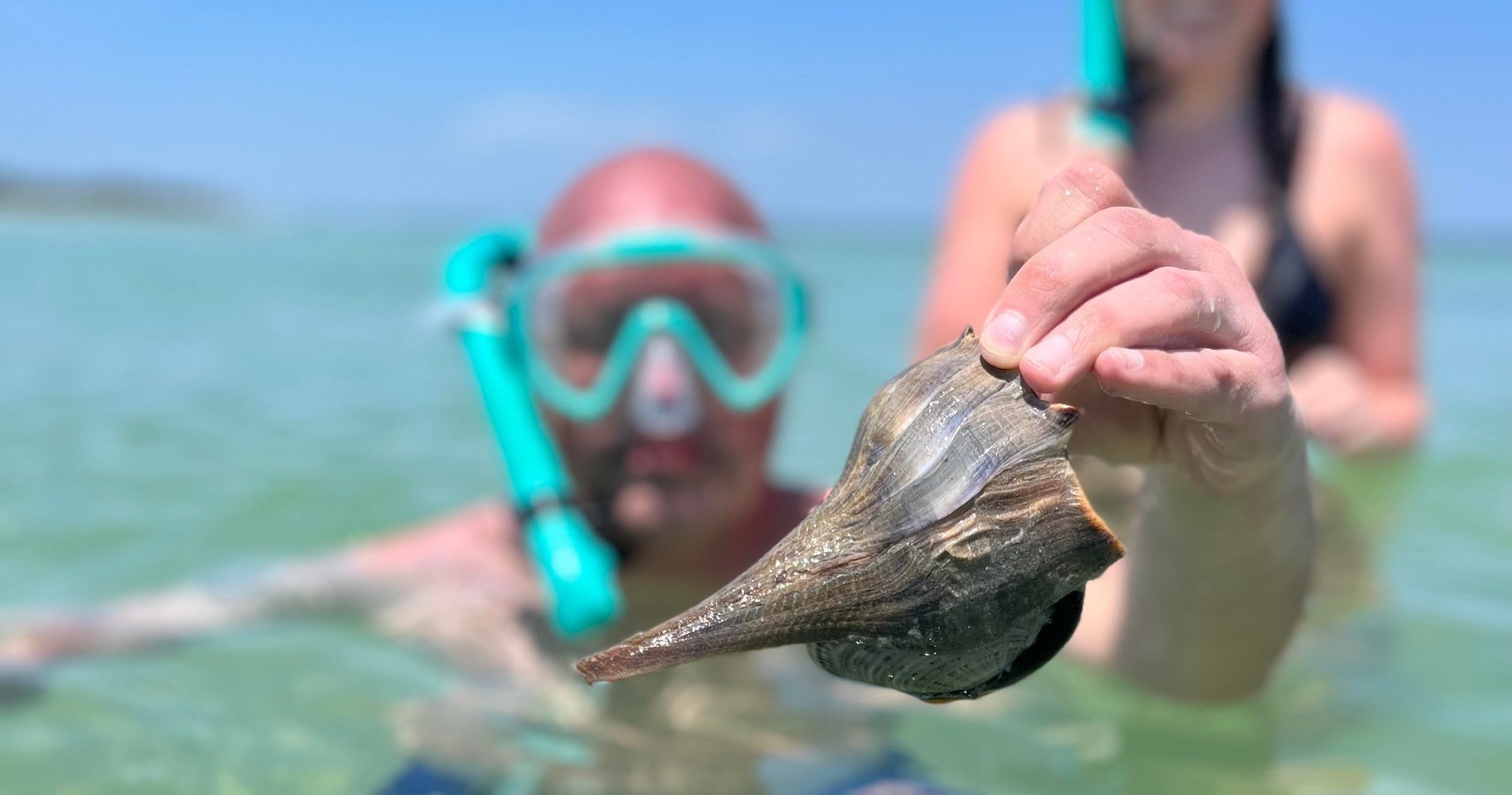
Snorkel types: shore-entry flat-water snorkeling, kayaked snorkels, and guided boat trips to nearby reefs or wrecks.

Wildlife highlights: juvenile reef fish, rays, conchs, sea stars, seasonal tropical visitors, occasional sea turtles and manatees in protected bay areas.

Visibility and conditions vary with wind, tides, and recent storms—calm mornings are usually best.

Key Highlights

•Activity focus: Nearshore snorkel flats and artificial reefs
•Number of matching experiences: 37 (guided tours, rentals, DIY access points)
•Best for: beginners, families, and nature-focused snorkelers
•Access: Many sites reachable from public beaches or by short kayak/boat rides
•Environmental note: Seagrass protection and manatee zones require low-impact practices

Seasonal planning

Best Time to Visit

Warmest water and most tropical species appear in late spring through early fall; summer mornings are often the calmest for visibility but expect afternoon convection storms. Hurricane season (June–November) and periodic red tide events (typically late summer–fall but variable) can affect water quality and closures.

Snorkeling in Anna Maria, Florida
Seasonal Highlights

Peak Season: Summer months and holiday weekends draw the most beachgoers and tour bookings.

Recommended months: April, May, June, July, August, September, October

Peak season

Summer months and holiday weekends draw the most beachgoers and tour bookings.

High-demand period with peak activity schedules.

Best months

April – May – June – July – August – September – October

Optimal conditions for outdoor activities and tours.

Weather & conditions

Warmest water and most tropical species appear in late spring through early fall; summer mornings are often the calmest for visibility but expect afternoon convection storms. Hurricane season (June–November) and periodic red tide events (typically late summer–fall but variable) can affect water quality and closures.

Off-season & shoulder periods

Winter and early spring offer mild temperatures and lower crowds; water is cooler but visibility can be very good on calm days. Watch for cold snaps that reduce water temperature and wildlife activity.

Match the trip to your comfort

Choose Your Experience Level

Introductory

Beginner

Shallow, protected shore entries with gentle slopes and short swims; ideal for first-time snorkelers and families.

  • Coquina Beach shore snorkel
  • Guided half-day kayak + snorkel tour
  • Supervised beach snorkel near Holmes Beach
Active outing

Intermediate

Longer swims to nearshore rock piles and artificial reefs; moderate navigation and basic current awareness required.

  • Paddle-out snorkel to nearby rock piles
  • Boat trip to local artificial reefs
  • Guided snorkel emphasizing fish ID and habitat
Challenging / Technical

Advanced

Offshore wreck or reef snorkels that require boat access, stronger swimming ability, and comfort with deeper water and boat logistics.

  • Boat-access snorkel to offshore artificial reef or wreck
  • Combined dive/snorkel charters with experienced captains
  • Multi-site boat snorkel exploring deeper congregations of fish

Recommended Gear

What to Bring

Essential

Core items

  • Snorkel mask with anti-fog treatment or defog solution
  • Comfortable fins (travel or full-size) and neoprene booties if entering rocky areas
  • Rashguard or thin wetsuit (water temperatures vary seasonally)
  • Reef-safe sunscreen applied well before entering the water
  • Waterproof bag and ID/permits in a dry pouch
Recommended

Helpful extras

  • Surface marker buoy for visibility in open water
  • Light snorkeling vest for less confident swimmers
  • Reef-safe insect repellent for post-beach evenings
  • Small dive flag if snorkeling away from shore
Optional

Trip-specific

  • Underwater camera or snorkel mask with mount
  • Mask repair kit and spare snorkel mouthpiece
  • Pocket guide for Gulf species or a local marine life ID card
Respect seagrass beds and wildlife; visibility and safety hinge on wind, tide, and recent weather. Confirm local conditions before you go.

Insider Tips & Local Knowledge

Aim for early mornings—calm winds and flat seas give the best visibility. Rent gear from a local shop the day before to confirm fit and comfort; foggy masks are a common annoyance and easy to fix with defog. If you’re paddling out from shore, check tide tables: lower tides can expose more sandbars and make shallow snorkeling easier, but may increase distance to deeper features. When booking boat-based snorkel trips, ask about group size and reef access—smaller groups equal less disturbance to sensitive habitats. Bring a surface marker buoy if you plan to swim away from shore so boaters can see you, and wear a bright-colored rashguard or cap. Finally, choose reef-safe sunscreen and reapply responsibly: applying sunscreen at the beach and waiting 20 minutes before entering the water reduces chemical wash-off. Local operators will often cancel when red tide or unsafe conditions are present—trust their call for the sake of your safety and the ecosystem.

Planning questions

Frequently Asked Questions

No general permits are required for shore-entry snorkeling at public beaches, but some protected areas and boat-based excursions follow local regulations—always check with a tour operator or local authorities for area-specific rules.
Snorkeling in Anna Maria, Florida
Ready for your snorkel adventure?

Browse 37 verified trips in Anna Maria.

Compare current availability and book with instant confirmation.

Explore Anna Maria snorkel trips →