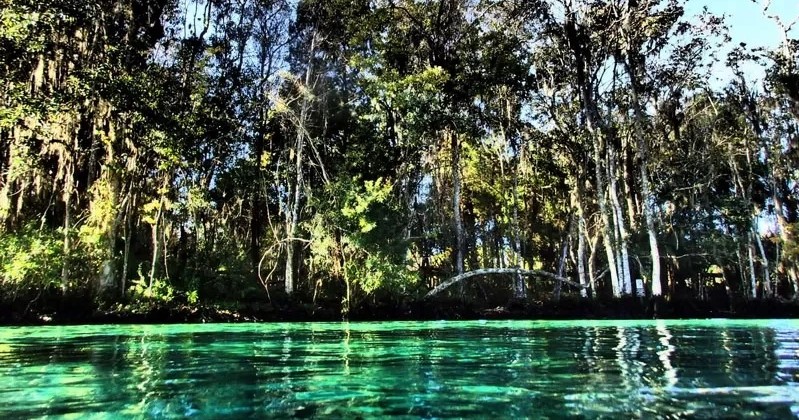
On paper, Beverly Hills reads like many small inland Florida towns—live oaks, citrus groves, and suburban streets. Stand on a quiet morning and the town's soft light hints at something else: a short drive in almost any direction drops you onto two aquatic ecologies that satisfy very different types of divers. One is the freshwater spring systems—clear, buoyant, and often warm—where visibility can be spectacular and dives are intimate, buoyancy-focused affairs. The other is the nearshore Gulf of Mexico: a mosaic of seagrass flats, patch reefs, and man-made wrecks that attract schooling fish, snappers, and the occasional curious ray. Together these environments make the area a flexible base for single-day dive itineraries that mix freshwater dives with saltwater trips, or for repeat visits that let divers practice skills in calm spring conditions and then test them on open-water reef or wreck dives.
The sensory contrast between a spring and a Gulf dive is instructive. In a spring you descend into a clear, almost luminous column of water where light filters through tannic edges and thermally consistent water cradles your buoyancy. In the Gulf you’re often rewarded by broader marine life tableaux—seagrass rivers, swirling schools, and structures that concentrate fish life. Seasonality, tides, and weather shape the experience: winter and early spring bring different restrictions and wildlife considerations around springs, while late spring into fall can mean warmer Gulf water and more frequent afternoon wind and thunderstorms. For planners and photographers the area’s strength is flexibility—short drives to varied sites, multiple-operator dive charters within easy reach, and plenty of complementary surface activities. For travelers who like to layer experiences, a morning spring dive followed by an afternoon reef or wreck hop is a practical and moving way to see how freshwater and marine systems feed the Gulf coastline.
Practical planning here rewards nuance rather than brute force. Divers who bring their own gear will find it easier to move between environments, but local operators provide rental and logistics for almost every type of dive. Certification level matters more for offshore diving than for springs; many spring dives are ideal for guided introduction and skill practice, while some Gulf sites require boat access and comfort with current and deeper profiles. Visually, these waters favor close-quarters composition and macro subjects in springs and wider, color-and-structure images on reefs and wrecks. Above water, combine any dive day with low-impact wildlife watching, kayaking, or a stroll through nearby nature preserves to get the full context of Florida’s coastal ecology. The result is a scuba playground that remains modest, accessible, and rich with different kinds of underwater stories—perfect for divers who appreciate variety and thoughtful planning.