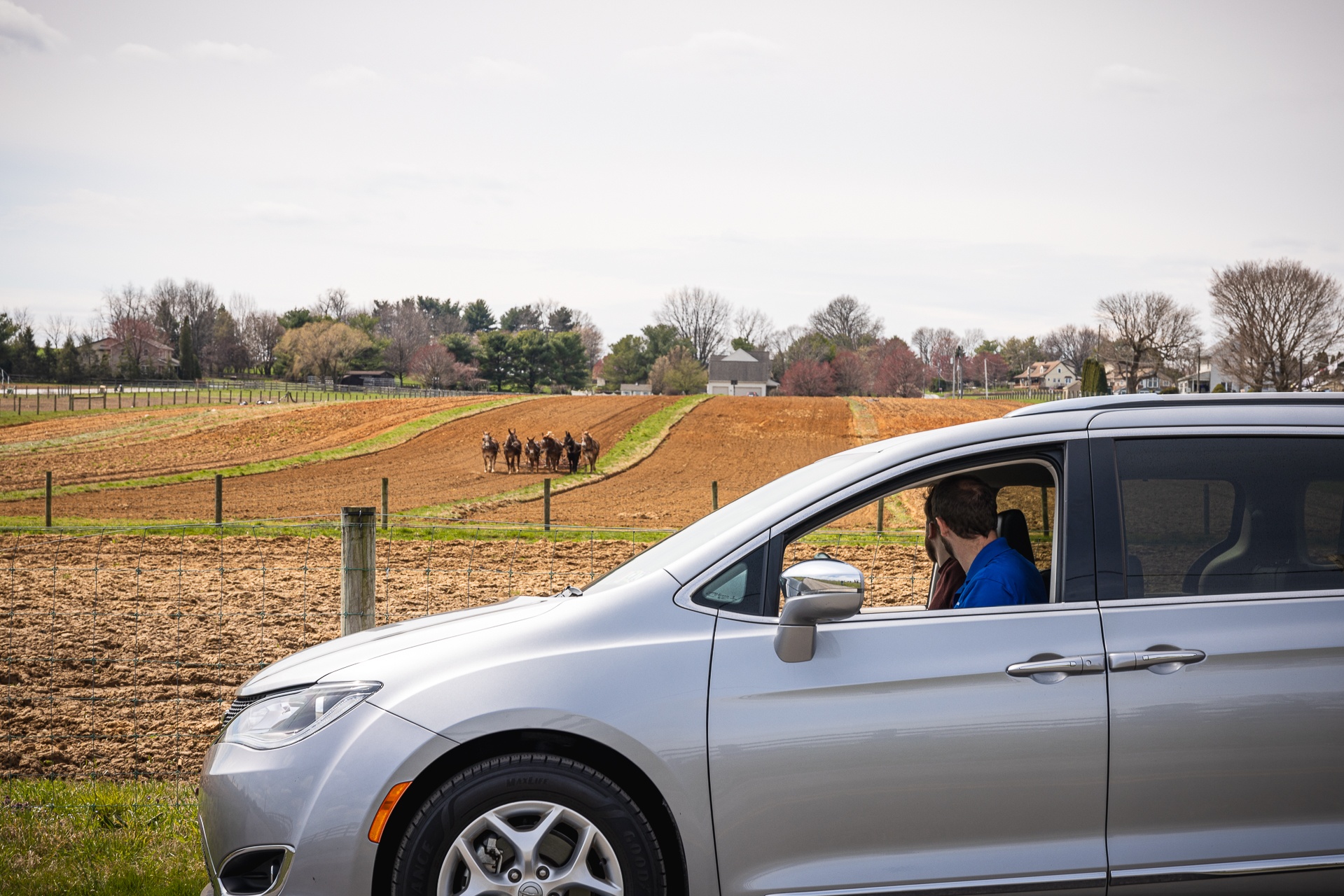
Blue Bell occupies a comfortable place between Philadelphia's urban pulse and Montgomery County's pastoral edges, and its sightseeing tours reflect that two-part personality. Walkable village cores with century-old storefronts sit alongside winding country roads that reveal horse farms, private estates, and pockets of preserved woodlands. That contrast makes Blue Bell ideal for short, focused tours: a morning devoted to local history and architecture, an afternoon on a garden or arboretum walk, or a late-day tasting loop that pairs a craft brewery with a farm-to-table stop.
What sightseeing here lacks in skyline drama it makes up for in intimacy and variety. Tours can be as social and guided as a historian-led walk through a village square or as quietly self-directed as an audio-guided drive that stops at small roadside landmarks and scenic pullouts. The proximity to major sites — Valley Forge National Historical Park to the south and an array of river corridors and trails across Montgomery County — allows operators to blend in a regional perspective without long transfers. That makes half-day and full-day itineraries equally practical for travelers based in Philadelphia or nearby suburbs.
Seasonal cycles shape the feeling of a sightseeing tour. Spring brings flowering magnolias and the first flush of green to manicured gardens; summer stretches into long, light evenings that favor brewery patios and twilight village strolls; fall turns the map into a collage of color, ideal for guided drives or leaf-peeping walks; and winter's quieter streets create a more reflective, off-season pace for museum visits and indoor stops. For planners, Blue Bell's relaxed geography means you can mix modes — on-foot village segments, short drives between stops, and even bike or e-bike legs on rails-to-trails corridors — so tours can be tailored to mobility, weather, and the traveler's appetite for depth versus variety.
Ultimately, sightseeing tours in Blue Bell reward curiosity. They are best appreciated at a measured pace: linger at a historic house museum or farmstand, follow a local's anecdote about a forgotten lane, and let the subtle transitions from suburban center to agricultural fringe tell the region's story in layered moments.