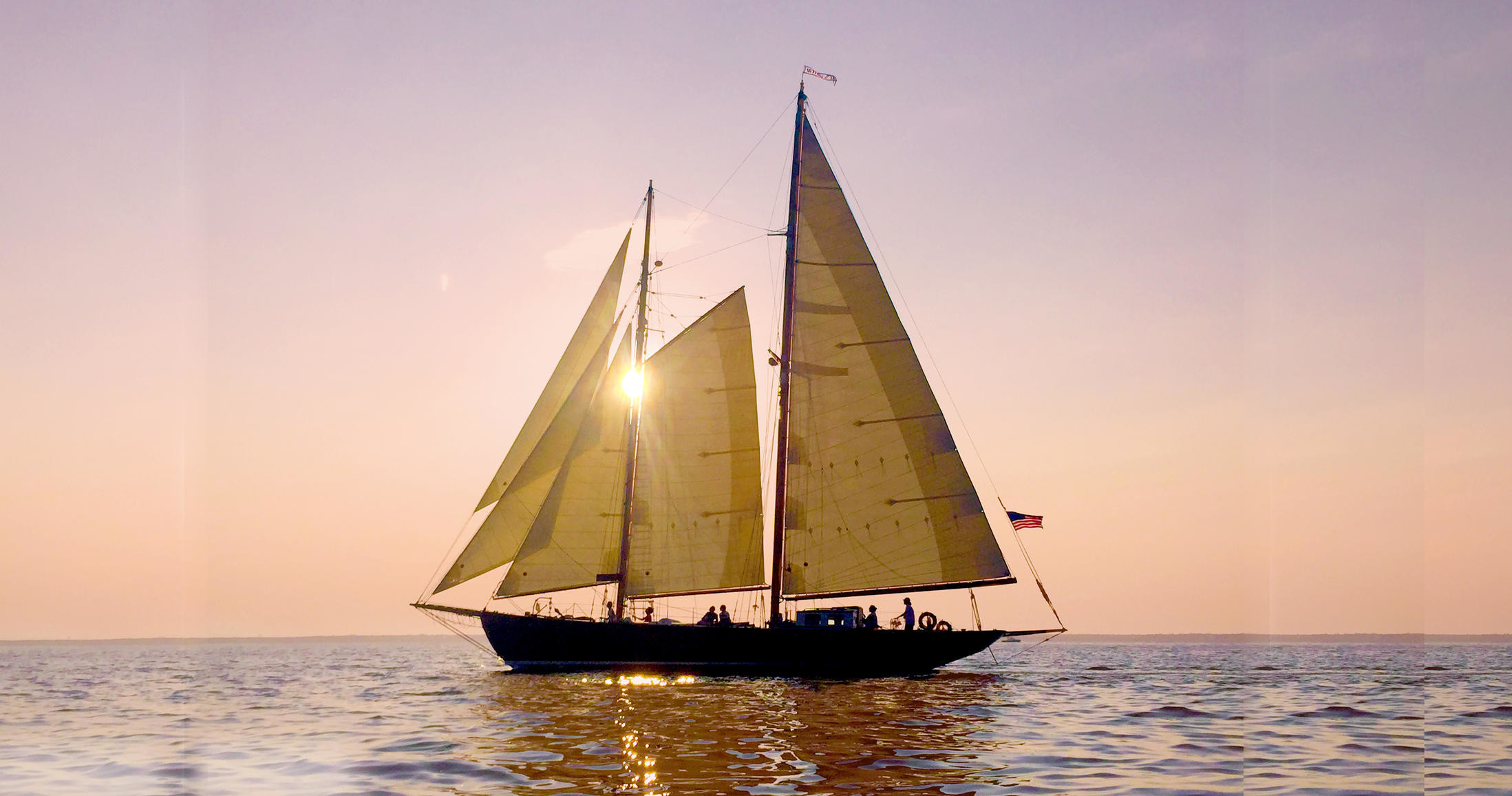
There’s a particular New England rhythm to sailing that begins not with a marina finger but with a narrow river channel, a small trailer launch, and the low, patient cry of gulls over marshgrass. Boxford is a place where that rhythm is easy to find. The Ipswich River threads past meadows and salt marsh corridors, offering sheltered, scenic stretches for learning boat handling and reading tides without immediately confronting open-ocean chop. From here, a short drive delivers you to saltwater harbors and inlets where the real maritime history of Essex County—the fishing, shipbuilding, and coastal trade of centuries—still hums in the boatyards and town wharves.
Sailing near Boxford is a study in contrasts: intimate river runs that reward slow, attentive seamanship, and brisk coastal days that test trimming, navigation, and tidal strategy. In the river, you’ll learn to steer in confined water, manage currents around marsh channels, and practice launching and retrieval from small ramps—skills that translate directly to confident coastal sailing. When you push toward Plum Island Sound, Ipswich Bay, or the harbors of nearby towns, the scenery opens: saltmarshes give way to sand spits, working harbors dot the shoreline, and wind becomes a decisive element—not just a character but the engine of movement.
The cultural context matters. The North Shore’s maritime heritage shapes how locals sail: practical seamanship, respect for tides, and an appreciation for day-sailing and family-friendly outings are common. Because Boxford itself lacks a deepwater marina, most sailors here rely on trailerable boats, community boat clubs, or charter services from nearby coastal towns. That makes Boxford attractive to sailors who favor a lighter, more flexible approach—trailering dinghies for a morning on the river, then launching in the afternoon for a harbor cruise. It also makes the area suited to mixed-adventure days: combine a morning of river sailing or kayak exploring with an afternoon of coastal cruising, or pair a day sail with birding on nearby Plum Island and a seafood meal back onshore.
From a planning perspective, sailing here is seasonal and local-knowledge heavy. Late spring to early fall is the practical window for most sailors, with warm water, predictable sea breezes, and benign weather windows for day trips. Tides shape the whole experience: mudflats and shallow channels constrain launch points at some hours, and currents in tidal inlets can be surprisingly strong. Safety, then, is an active practice—checking tide tables, knowing where to get ashore if the wind shifts, and carrying basic communications and floatation. For travelers, the outcome is richly rewarding: short transit times to attractive coastal water, quiet river sailing that teaches fundamentals, and access to the storied towns and harbors of the Essex County coast for those who want to expand to saltwater daysails or multi-day cruising.