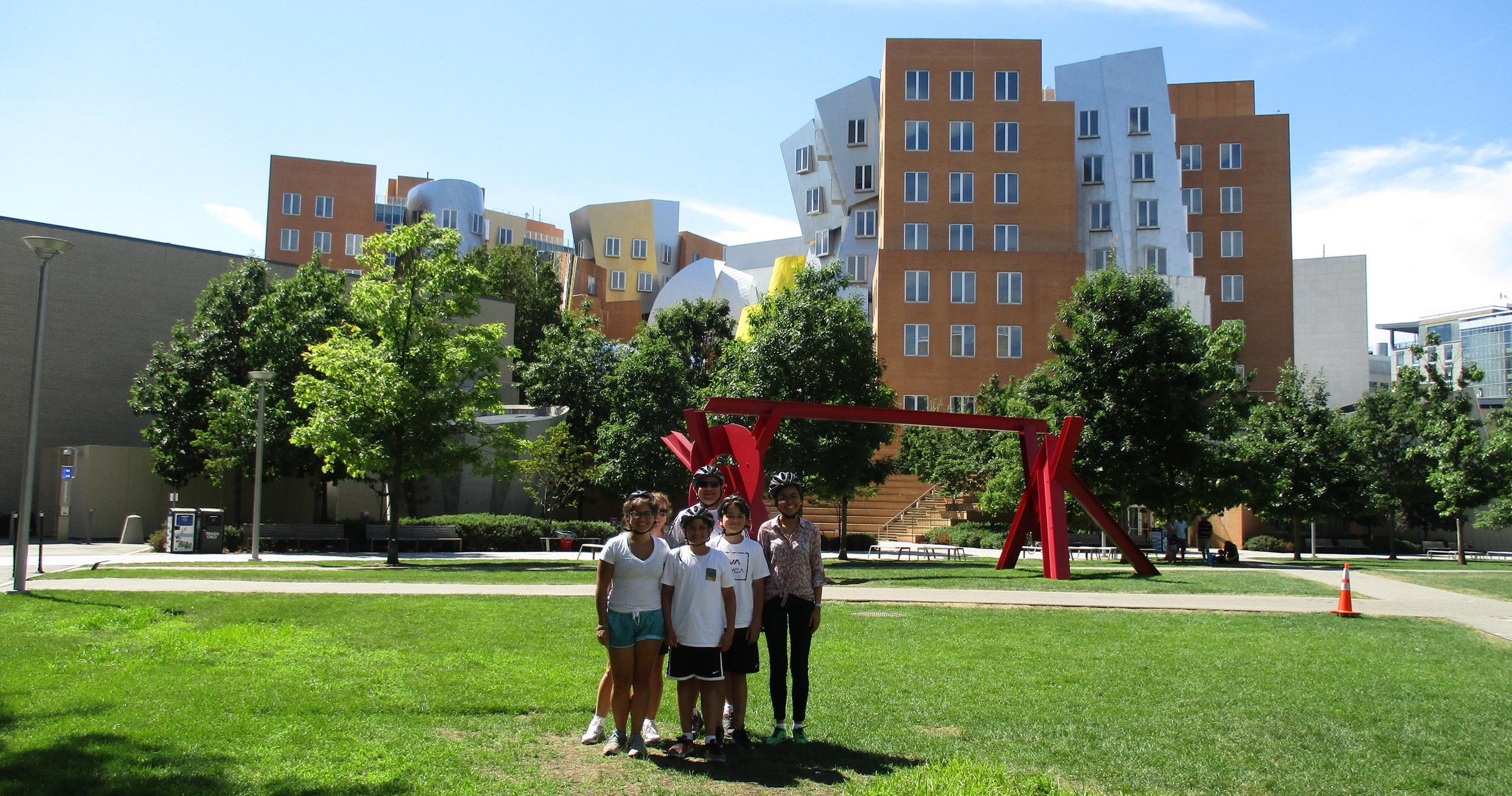
You can feel Cambridge’s rhythm most clearly from the saddle: morning commuters threading protected lanes, students cutting across quads, and tourists drifting along the Charles with cameras and coffee. The city is compact without being claustrophobic, and its infrastructure reflects decades of incremental improvements—painted lanes, raised crossings, connections to regional rail-trails—that let riders string together quiet residential streets, river paths, and dedicated bikeways into purposeful loops. A bike tour here is less about conquering elevation and more about moving through layers of landscape: colonial-era streetscapes and redbrick academies, late-industrial waterfronts being reclaimed as parkland, and 21st-century innovation districts where bike racks outnumber curbside parking spots.
That variety makes Cambridge ideal for a broad range of cyclists. Families and novices will find flat, protected stretches along the Charles River Esplanade and quiet loops around Fresh Pond. Intermediate riders can add the Minuteman Bikeway, a former rail corridor that runs out to Arlington and Lexington, rich with Revolutionary history and wide, smooth pavement. For riders looking for distance or a taste of New England’s gentle hills, Cambridge is a convenient staging ground for rides that continue into the Middlesex Fells, Walden Pond, or scenic country roads toward Concord. Along the way, every tour is punctuated by practical comforts: plentiful cafés for mid-ride stops, easy access to bike rental shops and guided outfitters, and MBTA connections that make one-way trips simple.
Beyond the routes themselves, the cultural and seasonal textures of Cambridge make bike touring especially rewarding. Spring and early summer release a flush of blossoms and a surge of cyclists reclaiming the streets after winter; fall paints the riverbanks and campus trees in brilliant color; and even in winter, a clear, crisp ride through less-crowded streets can feel almost private. Because the rides are often short and centered on neighborhoods, the city encourages a looser, discovery-driven approach: detour into a museum courtyard, pause at a river overlook, or join a pop-up farmers’ market. The urban scale also means that complementary activities—kayaking on the Charles, a guided walking food tour, or a visit to the MIT Museum—can be added without sacrificing pedal time.
Practical safety and etiquette matter here. Cambridge’s high-traffic nodes require attention: shared paths along the river can be bustling on weekends, and intersections around Harvard and Kendall Squares demand vigilance. But the payoff is consistent: a bike tour that’s part urban history lesson, part scenic respit, and part commuter choreography. For travelers who want to see a smart American city at a human pace, pedals down is the best vantage point.