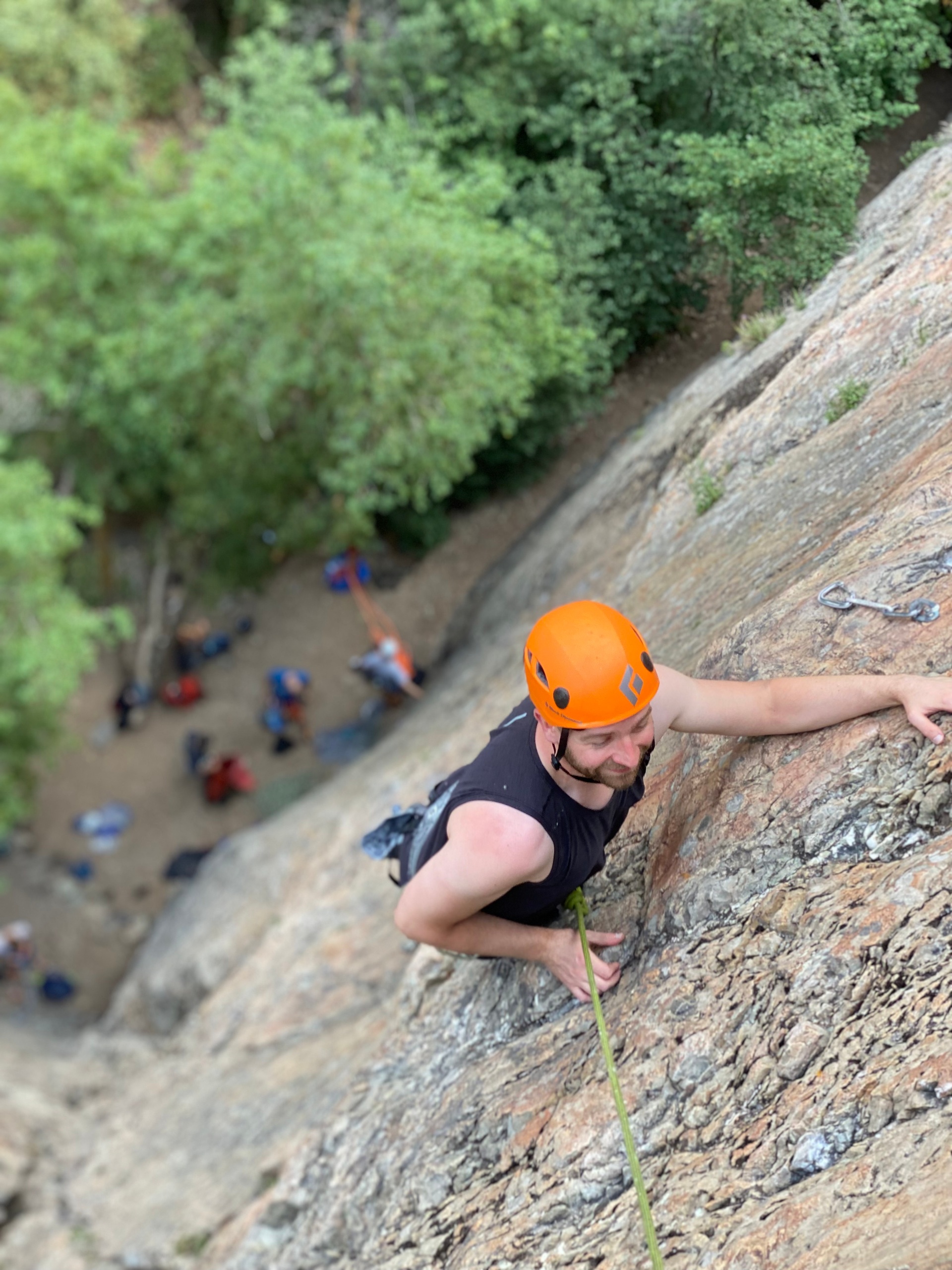
There’s an elemental quality to climbing in Canyonlands that arrives before the first pitch: a ribbed horizon of mesas and fins, a dry wind that carries sand like a subtle punctuation, and sandstone so textured it reads like a memory of water. The region’s geology—primarily Navajo and Wingate sandstones interbedded with softer layers—produces crack systems and faces that reward precise footwork, patient protection placement, and a particular kind of desert savvy. Climbs here aren’t just vertical movements; they are conversations with the rock, where each cam placement and each solution to a runout moves feels like an act of stewardship.
Beyond the technical welcome, Canyonlands offers variety. Indian Creek is world-renowned for splitter cracks that test traditional rack-building and sustained hand jams; the Needles present complex, often wandering multi-pitch routes across sandstone towers and spires; and the Island in the Sky and peripheral walls host shorter sport and trad lines—excellent for top-roping, skill-building, and sunrise sessions. Approaches can be short and sweet or desert-length affairs requiring navigation across slickrock, washes, and faint boot paths. The isolation is part of the draw: many classic lines demand self-reliance, route-finding and respect for the fragile desert surface.
This region also invites a broader palette of experiences. Climbers often combine sessions with canyoneering trips through Narrows and slots, mountain bike laps on Slickrock Trail, or desert hikes to cultural sites and panoramic overlooks. Seasonal constraints shape plans: spring and fall offer the most comfortable temperatures and stable weather; summer afternoon storms and winter freezes change rock friction and add objective hazards. Conservation and ethics are ever-present—sandstone heals slowly, so cleaning, over-bolting, and leaving gear in place has lasting consequences. The most memorable days here balance ambition with restraint, pairing bold movement on rock with meticulous attention to anchors, natural protection, and the landscape’s fragile character.