THE ADVENTURE COLLECTIVE® · Independent discovery and booking for outdoor travel
Top Whale-Watching Adventures in Captain Cook, Hawaii
Captain Cook Whale Watch Guide

Top Whale-Watching Adventures in Captain Cook, Hawaii

Captain Cook sits on Hawaiʻi Island’s leeward Kona coast where clear, deep waters and a protected coastline make it a reliable launching point for whale-watching excursions during the winter migration. From comfortable large-boat tours that track humpbacks to intimate zodiac runs and shore-based viewpoints at sea cliffs, the area blends dramatic volcanic shoreline with world-class marine life viewing.

Kona CoastKealakekua BayHumpback Migration

Live destination inventory

Top Whale Watch Trips in Captain Cook

59 trips · Book with confidence · Instant confirmation

About The Destination

Why Captain Cook Is a Standout Whale-Watching Destination

If you close your eyes and let the ocean's cadence set the scene, Captain Cook offers one of those rare places where geology and migration patterns conspire to deliver vivid encounters with some of the largest animals on the planet. Each winter, humpback whales stage a migratory pilgrimage to Hawaiʻi’s warm, shallow waters to breed, calve, and nurse. The Kona coast—sheltered by the island's volcanic backbone—is a favored corridor. Deep submarine canyons meet shallow coastal shelves here, creating feeding and resting pockets that humpbacks use as stages for their long, complex behaviors: breaching, tail-slap displays, spy-hopping, and the slow, intimate movements of mothers and calves.

But Captain Cook’s appeal goes beyond the whales themselves. The small, coral-edged bays and sheer lava cliffs create natural amphitheaters for marine watching, while the clarity of the water most winter mornings makes surface activity easy to read from deck-level. Many tours launch from small harbors and private slips, which keeps group sizes moderate and experiences more personal than larger commercial ports. Add in the area's cultural resonance—ancient Hawaiian fisheries, sacred coastal sites, and modern conservation efforts—and a whale-watching day becomes a layered experience that mixes natural history with local stewardship.

For travelers, Captain Cook is practical: it’s close to Kona’s airport and services, yet far enough from the busiest tourist corridors that you feel like you’re embarking from a local gateway. Operators here tend to emphasize education alongside viewing—biologists, naturalists, and experienced captains narrate sightings, explain behavior, and put the whales’ presence in ecological context. That framed approach makes trips excellent for first-time whale watchers and for seasoned observers who want nuance: identifying fluke patterns, recognizing social behaviors, or learning how protected species regulations shape safe viewing protocols. Glacier-blue mornings, trade-wind afternoons, and sunset returns all offer different temperaments of sea and sky; each delivers its own portrait of life on the water.

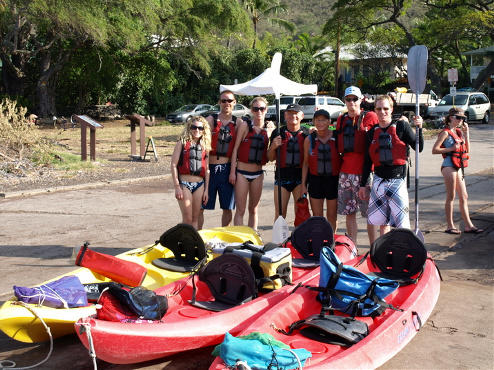
Strong local expertise: many operators employ marine naturalists and adhere strictly to federal and state guidelines for safe distances and responsible viewing.

Complementary marine experiences: combine whale watching with snorkeling, manta ray night dives, or coastal hikes for a fuller marine-focused itinerary.

Key Highlights

•Activity focus: Whale watching and marine wildlife viewing
•Primary species: North Pacific humpback whales (seasonal), plus spinner dolphins and sea turtles
•Typical trip lengths: 2–4 hours for most tours
•Best viewing season: November–May (peak January–March)
•Operators often include naturalist commentary and photo-identification briefings

Seasonal planning

Best Time to Visit

Winter months bring calmer mornings and clearer visibility in many years, though Kona winds and trade winds can pick up. Seas are typically calmer in the morning; afternoon swells can increase. Visibility and sea state vary from day to day—check local forecasts and operator advisories.

Top Whale-Watching Adventures in Captain Cook, Hawaii
Seasonal Highlights

Peak Season: January–March are often the most active months for humpback surface behaviors and calf sightings.

Recommended months: November, December, January, February, March, April, May

Peak season

January–March are often the most active months for humpback surface behaviors and calf sightings.

High-demand period with peak activity schedules.

Best months

November – December – January – February – March – April – May

Optimal conditions for outdoor activities and tours.

Weather & conditions

Winter months bring calmer mornings and clearer visibility in many years, though Kona winds and trade winds can pick up. Seas are typically calmer in the morning; afternoon swells can increase. Visibility and sea state vary from day to day—check local forecasts and operator advisories.

Off-season & shoulder periods

During the summer months (June–October) operators pivot to dolphin watches, snorkeling, and manta ray night dives; shore-based viewing and coastal walks remain rewarding for marine birds and reef life.

Match the trip to your comfort

Choose Your Experience Level

Introductory

Beginner

Shore-based viewing points and larger, stable catamaran or motor-boat tours that include naturalist narration and relatively mild sea conditions.

  • Kealakekua Bay morning catamaran whale watch
  • Shoreline viewpoint at nearby coastal parks
  • Large-boat afternoon tour with onboard interpretive guide
Active outing

Intermediate

Smaller-boat zodiac trips or mid-size vessels that allow closer viewing, require some sea tolerance, and provide a more intimate encounter and photography opportunities.

  • Zodiac whale-watch run with naturalist
  • Half-day mixed wildlife and snorkeling trip (when allowed)
  • Private small-group charter with guided narration
Challenging / Technical

Advanced

Expedition-style outings, early-season monitoring trips, or photography-focused charters that may head farther offshore and require higher seas tolerance and experience with extended time on deck.

  • Photography charter for fluke and ID shots
  • Multi-purpose research or citizen-science trip
  • Long-range offshore sighting sorties

Recommended Gear

What to Bring

Essential

Core items

  • Layered clothing and windbreaker (mornings can be cool on the water)
  • Sea-sickness medication or wristbands if you get motion sick
  • Binoculars and a camera with a good zoom
  • Sunscreen (reef-safe) and a hat
  • Reusable water bottle and light snacks
Recommended

Helpful extras

  • Small dry bag for electronics
  • Polarized sunglasses for glare reduction
  • Light gloves for cold mornings
  • Charged power bank
Optional

Trip-specific

  • Compact spotting scope for shore-based binoculars
  • Notebook or field guide for note-taking
  • Waterproof phone case
Book ahead during peak months, choose operators that prioritize safety and education, and always follow marine mammal viewing guidelines.

Insider Tips & Local Knowledge

Start early. Morning departures often mean calmer seas and clearer light for photography. If you are prone to seasickness, take preventative medication and choose a larger vessel. Look for operators who employ certified naturalists or who participate in photo-ID programs—those trips tend to be slower-paced and more informative. Respect the animals: maintain distance, avoid loud engine revs near groups, and never attempt to approach whales from kayaks or small craft when prohibited. Combine whale watching with other local experiences—an afternoon snorkeling trip, an evening manta ray dive, or a visit to nearby coffee farms and historical sites—to round out your day if sightings are light. Finally, bring cash or card for gratuities and have flexible plans: a great wildlife day can hinge on tide, wind, and whale behavior.

Planning questions

Frequently Asked Questions

No. Responsible operators cannot guarantee sightings—whales are wild animals with unpredictable movements. However, the region’s geography and the seasonality of humpback migration make sightings likely during peak months.
Top Whale-Watching Adventures in Captain Cook, Hawaii
Ready for your whale watch adventure?

Browse 59 verified trips in Captain Cook.

Compare current availability and book with instant confirmation.

Explore Captain Cook whale watch trips →