THE ADVENTURE COLLECTIVE® · Independent discovery and booking for outdoor travel
Dolphin Watching & Encounters Around Casselberry, Florida
Casselberry Dolphin Guide

Dolphin Watching & Encounters Around Casselberry, Florida

Casselberry is an inland gateway to Florida’s estuaries and barrier islands — a modest suburban launch point for dolphin-watching adventures along the state’s Atlantic coast and estuaries. This guide focuses on how travelers based in Casselberry can responsibly seek bottlenose dolphin encounters by boat, kayak, or guided eco-tour, what to expect from the local marine environment, and how to plan outings that balance thrill with stewardship.

Indian River LagoonMosquito LagoonCentral Florida CoastCocoa Beach

Live destination inventory

Top Dolphin Trips in Casselberry

13 trips · Book with confidence · Instant confirmation

About The Destination

Why Dolphin Encounters Are a Compelling Casselberry Experience

Casselberry’s quiet suburban streets and small lakes don’t immediately conjure images of spinning dolphins, but the town’s true promise for marine wildlife lies in its proximity to Florida’s coastal estuaries and lagoons. From here, a short drive east delivers access to the Indian River Lagoon system and the Mosquito Lagoon—shallow, nutrient-rich waterways that support dense seagrass beds, mullet runs, and the fish populations that attract Atlantic bottlenose dolphins. Those same estuaries are ecological crossroads: migratory birds thread the skies above marshes, manatees graze in protected coves, and the soundscape is a mix of gull calls and motorboats cutting across glassy water.

A dolphin outing from Casselberry is rarely about a single dramatic moment. It’s a compound experience: the hush of dawn as a small charter slips past mangrove-lined creeks, the slow ripple of water when a pod arcs alongside the hull, and the tactile hum of salt and sun on your skin as dolphins rise and fall in synchronized bodies. For photographers and families, the places accessible from Casselberry offer structured encounters—half-day eco-tours, small-group kayak trips, and beachside watches—each with different vantage points and levels of intimacy. Guided tours prioritize locating pods where fish are abundant and interpret behavior so that sightings feel both instructive and emotional rather than a hurried spectacle.

Historically, these waterways were home and highway to Indigenous peoples and later to fishermen and trawlers whose livelihoods depended on the health of the lagoon system. Today, the story has shifted toward conservation. Seagrass restoration projects, efforts to reduce boat strikes, and research into dolphin health are all part of the modern coastal narrative. Visiting with awareness—choosing licensed operators who follow NOAA viewing guidelines, avoiding feeding or touching wildlife, and respecting posted closures—helps preserve the very encounters you came to see.

Practically speaking, dolphin watching from Casselberry is adaptable. If you want ease and accessibility, a larger boat tour from a nearby marina offers comfortable viewing and interpretive guides. For more active travelers, guided kayak and paddleboard excursions place you on the water at eye level with the animals and the marsh. For photographers or those seeking a personalized itinerary, private charters or half-day trips can be organized to focus on sunrise light, specific estuaries, or combined birding and dolphin-watching days. Whatever the mode, the best outings combine patience, ethical practice, and a willingness to let the tide and weather shape the plan.

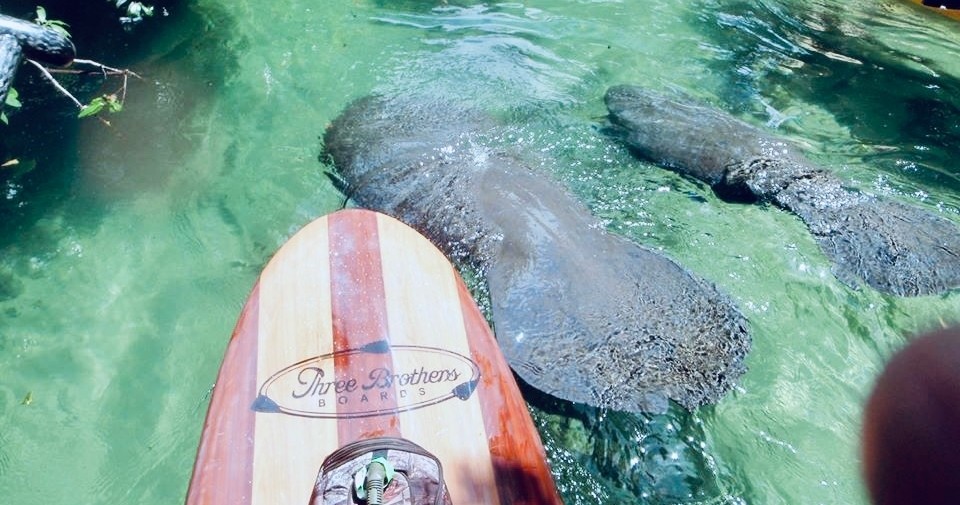
Dolphins in this region are primarily Atlantic bottlenose dolphins, social and curious animals that use estuaries both as feeding grounds and social space. Their behavior—surfing bow waves, coordinated hunting, and close mother–calf relationships—can be observed year-round, though local movement patterns and visibility shift with tides, seasons, and forage availability.

Because Casselberry is inland, planning a dolphin trip typically includes travel to coastal launch points and marinas. That short interlude off the interstate or county road is part of the payoff: it transitions you from piney suburbs to salt-scented shorelines and reveals Florida’s layered habitats—lakes and swamps inland, estuaries and barrier islands toward the sea.

Key Highlights

•Activity focus: Dolphin watching & small-boat encounters
•Primary species: Atlantic bottlenose dolphin (Tursiops truncatus)
•Access: Boat tours, kayak/SUP eco-tours, private charters, shoreline watches
•Seasonality: Dolphins are present year-round; calmer, cooler months often mean steadier viewing
•Conservation: Observe NOAA and local guidelines—no feeding or chasing

Seasonal planning

Best Time to Visit

Fall through spring tend to offer milder temperatures, lower humidity, and calmer seas—conditions that improve both comfort and sighting chances. Summers are hot and humid with frequent afternoon thunderstorms and higher boat traffic; hurricane season runs June–November and can temporarily curtail marine trips.

Dolphin Watching & Encounters Around Casselberry, Florida
Seasonal Highlights

Peak Season: Winter months (December–March) bring pleasant weather and steady tour schedules, increasing availability demands on popular operators.

Recommended months: October, November, December, January, February, March, April, May

Peak season

Winter months (December–March) bring pleasant weather and steady tour schedules, increasing availability demands on popular operators.

High-demand period with peak activity schedules.

Best months

October – November – December – January – February – March – April – May

Optimal conditions for outdoor activities and tours.

Weather & conditions

Fall through spring tend to offer milder temperatures, lower humidity, and calmer seas—conditions that improve both comfort and sighting chances. Summers are hot and humid with frequent afternoon thunderstorms and higher boat traffic; hurricane season runs June–November and can temporarily curtail marine trips.

Off-season & shoulder periods

Summer offers warm-water conditions that can produce active dolphin feeding behaviors and juvenile activity; however, heat, storms, and busy beaches may affect comfort and scheduling.

Match the trip to your comfort

Choose Your Experience Level

Introductory

Beginner

Comfortable, low-effort options suited to families and casual travelers: larger boat tours departing from nearby marinas or short beach watches with interpretive staff.

  • Half-day dolphin boat tour with interpretive guide
  • Family-friendly beach or pier-based dolphin watch
  • Marina-based sightseeing cruise
Active outing

Intermediate

Active, small-group outings requiring basic paddling skills or a moderate tolerance for open-water conditions: guided kayak or SUP tours into estuaries and mangrove channels.

  • Guided kayak estuary tour combining birding and dolphin watching
  • Small boat eco-tour focusing on seagrass flats
  • Sunrise photography charter
Challenging / Technical

Advanced

Customized and immersive experiences for seasoned paddlers, photographers, or research-minded travelers: private charters, multi-hour photo safaris, or volunteer-assisted conservation excursions.

  • Private research-style charter with a naturalist
  • Multi-hour photo charter timed for golden light
  • Volunteer seagrass restoration or citizen-science outing (seasonal)

Recommended Gear

What to Bring

Essential

Core items

  • Sun protection (hat, sunscreen with high SPF, sunglasses)
  • Light waterproof layer or windbreaker
  • Water bottle and snacks for multi-hour trips
  • Binoculars or a zoom lens for wildlife viewing
  • Sea-sickness medication if prone to motion sickness
Recommended

Helpful extras

  • Camera with telephoto lens or high zoom
  • Reusable water bottle and small dry bag
  • Lightweight footwear for boarding and launches
  • Charged phone with offline maps for shore-based launches
Optional

Trip-specific

  • Polarized sunglasses for reducing glare on the water
  • Notebook for jotting field notes or species IDs
  • Compact spotting scope for birders combining trips
Choose operators who follow NOAA and state guidelines, and plan around weather and tides for the best outcomes.

Insider Tips & Local Knowledge

Book tours in advance during winter and holiday weekends. Dawn and early morning trips often deliver calmer water and less boat traffic, improving both comfort and photo conditions. For kayak and SUP trips, request experienced guides who know local tidal flows and mangrove channels. If you’re photographing, bring a polarizing filter and a fast shutter speed; for families, prioritize tours with shaded seating and restroom access. Combine dolphin outings with nearby birding or manatee-watching trips to maximize time on the water. Above all, practice responsible wildlife viewing—do not feed or attempt to swim with dolphins, maintain distance, and follow guide instructions. Conservation-minded travelers can look for operators that support local research or habitat restoration projects and ask about opportunities to contribute or volunteer.

Planning questions

Frequently Asked Questions

No permits are required for casual wildlife viewing. However, commercial operations should be licensed by local authorities and follow state and federal wildlife viewing guidelines. If you plan to launch from a state park or managed site, verify any launch fees or reservation requirements with the site directly.
Dolphin Watching & Encounters Around Casselberry, Florida
Ready for your dolphin adventure?

Browse 13 verified trips in Casselberry.

Compare current availability and book with instant confirmation.

Explore Casselberry dolphin trips →