THE ADVENTURE COLLECTIVE® · Independent discovery and booking for outdoor travel
Top 16 Eco Tours in Cedar Key, Florida
Cedar Key Eco Tour Guide

Top 16 Eco Tours in Cedar Key, Florida

Cedar Key's grid of tidal creeks, seagrass flats, and low-lying islands is a living classroom — one best explored slowly. Eco tours here emphasize close-up encounters: wading among oyster bars with an interpreter, gliding a kayak past gleaning shorebirds at dawn, or drifting with a naturalist to watch dolphins thread channels between mangrove islands. These experiences fold natural history, conservation context, and local culture into outings that are accessible to curious travelers and richly rewarding for seasoned naturalists.

Gulf of MexicoCedar Key National Wildlife RefugeFlorida Nature Coast

Live destination inventory

Top Eco Tour Trips in Cedar Key

16 trips · Book with confidence · Instant confirmation

About The Destination

Why Cedar Key Is a Standout Eco-Tour Destination

There are places where nature feels arranged for spectacle; Cedar Key is not one of them. The town's quiet charm is born of repetition and resilience — tidal rhythms that have shaped shoreline flats for centuries, salt-tolerant plants that stitch the edges of islands, and a working waterfront where oysters and shrimp anchor both economy and ecology. Eco tours in Cedar Key are sympathetic to that pace. Guides translate subtle cues: the direction of gull flight, the exposed scallop-shaped sweep of a shell bed at low tide, or the slow, purposeful feeding of a bottlenose dolphin. What begins as a checklist of species gently unfolds into an understanding of how estuaries function, why seagrasses matter for juvenile fish, and how human choices upstream change what happens on these flats.

Guided experiences range from short, interpretive boardwalk walks to multi-hour boat trips that thread salt marsh channels and visit tiny, uninhabited keys. The value of a guided eco tour here is twofold: place-based knowledge and low-impact access. Many of the best observation points — secluded mudflats, seagrass meadows, and crab-lined oyster bars — are reachable only by shallow-draft skiff or paddle craft and change with the tide. Local operators time departures around tidal windows to maximize wildlife sightings and minimize disturbance. On kayak tours you'll learn how to read the water and the tides; on boat tours you'll hear about local restoration projects, like oyster reef rehabilitation, that are restoring habitat and creating more resilient shorelines. There are also citizen-science opportunities woven into some itineraries — counting shorebird numbers during migration or helping monitor seagrass health — which align tourism with conservation.

Cedar Key's cultural frame lends depth to the ecological story. A century-old fishing and oystering community provides historical perspective: the same bends in the channel that funnel shrimp into nets were navigated by the town's earliest settlers. That human story is part of the interpretive arc of many tours, connecting visitors not only to birds and fish but to livelihoods shaped by the sea. For travelers, that makes an eco tour feel less like ticking boxes on a species list and more like entering a place where nature, history, and stewardship meet. Practical benefits follow: these tours are broadly accessible (low technical demand), family-friendly, and readily combined with complementary experiences — shelling walks at low tide, bicycling the quiet Island Trail, or a sunset kayak trip for bioluminescence viewing in summer months — making Cedar Key a compact, layered destination for anyone seeking a slow, thoughtful nature experience.

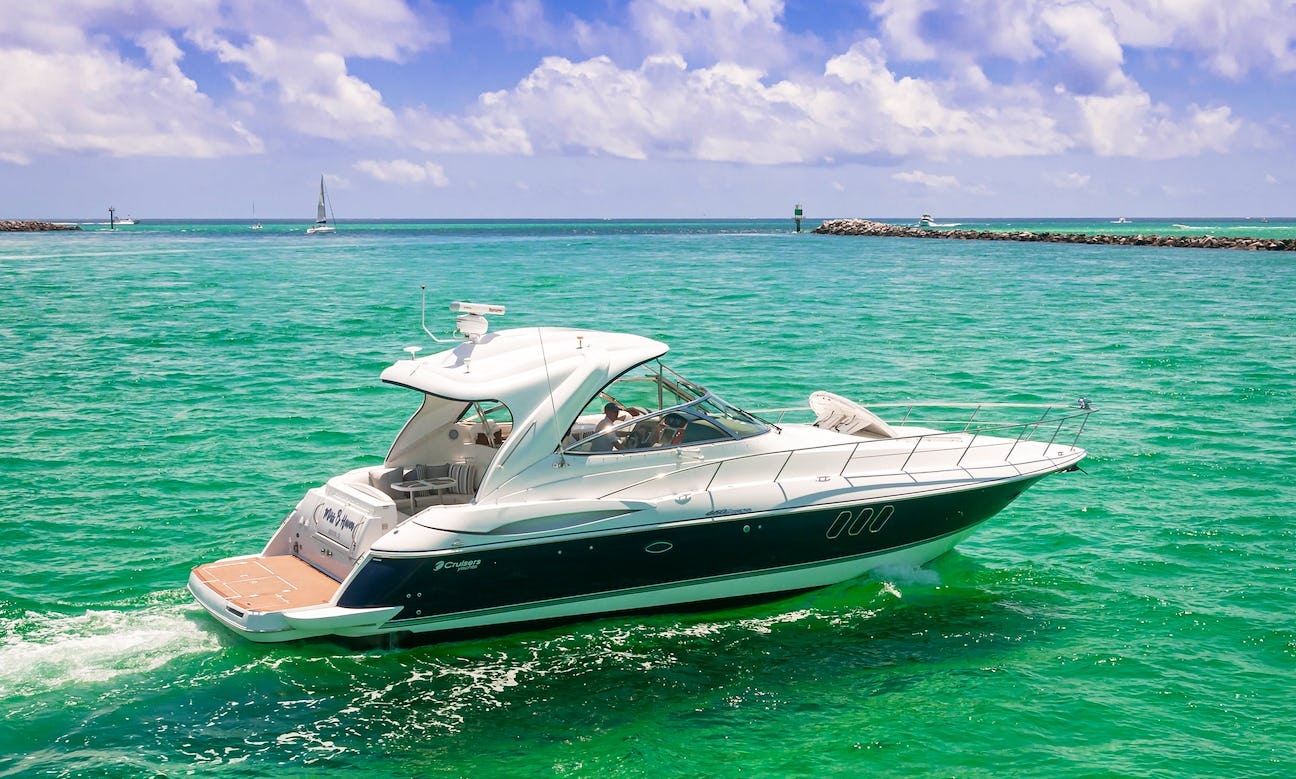
The mosaic of habitats — mangrove islands, salt marsh, seagrass beds, and oyster bars — concentrates wildlife and makes short tours surprisingly productive. Expect shorebirds in migration seasons, wading birds year-round, fish nurseries visible in shallow water, and regular dolphin sightings.

Local operators emphasize education and stewardship. Many eco tours incorporate topics like water quality, habitat restoration, and responsible viewing practices so visits have a low footprint and support ongoing conservation efforts.

Key Highlights

•Activity focus: Shallow-water ecology, birding, oyster reef and seagrass interpretation
•Most tours depart from small docks or public boat ramps; several operators offer kayak and skiff options
•Tide schedule strongly influences wildlife viewing and access to certain flats
•Popular during spring and fall migrations, with year-round birding opportunities
•Many tours are family-friendly and accessible for non-paddlers via small skiff

Seasonal planning

Best Time to Visit

Cedar Key has a warm, humid subtropical climate. Spring and fall bring mild temperatures and active bird migrations; summers are hot, humid, and prone to afternoon thunderstorms and occasional tropical systems; winters are mild and quieter.

Top 16 Eco Tours in Cedar Key, Florida
Seasonal Highlights

Peak Season: Spring migration (March–May) and cooler fall months for birding and comfortable touring.

Recommended months: March, April, May, October, November

Peak season

Spring migration (March–May) and cooler fall months for birding and comfortable touring.

High-demand period with peak activity schedules.

Best months

March – April – May – October – November

Optimal conditions for outdoor activities and tours.

Weather & conditions

Cedar Key has a warm, humid subtropical climate. Spring and fall bring mild temperatures and active bird migrations; summers are hot, humid, and prone to afternoon thunderstorms and occasional tropical systems; winters are mild and quieter.

Off-season & shoulder periods

Winter offers solitude, easy shelling, and pleasant daytime temperatures. Summer brings fewer crowds and excellent opportunities for nighttime bioluminescence tours, but heat and storm risk are higher.

Match the trip to your comfort

Choose Your Experience Level

Introductory

Beginner

Low-effort, interpretive skiff tours and short guided boardwalk walks focusing on birds, marsh ecology, and cultural history.

  • Two-hour guided skiff eco tour of nearby flats
  • Boardwalk salt-marsh interpretive walk
  • Short kayak introduction with wildlife viewing
Active outing

Intermediate

Longer kayak excursions across shallow seagrass meadows, combined birding-and-shelling tours, and snorkel-friendly shallow-water ecology trips.

  • Half-day kayak to uninhabited key and shelling stop
  • Guided seagrass and fish-nursery ecology paddle
  • Sunset bioluminescence paddle (seasonal)
Challenging / Technical

Advanced

Multi-hour or multi-day sea-kayak routes linking several keys, citizen-science or volunteer restoration outings, and trips requiring tide planning and basic navigation skills.

  • Overnight kayak camping and island hopping
  • Restoration volunteer day planting or monitoring oyster reefs
  • Extended paddle trips timed with low tides and offshore currents

Recommended Gear

What to Bring

Essential

Core items

  • Sun protection: hat, sunglasses with retainer, reef-safe sunscreen
  • Light waterproof layer for wind or occasional spray
  • Reusable water bottle and snacks
  • Binoculars for birding
  • Tide and weather check (apps or charts)
Recommended

Helpful extras

  • Waterproof camera or phone in a dry bag
  • Light long-sleeve shirt for sun and bug protection
  • Insect repellent (especially spring–fall marsh season)
  • Closed-toe water shoes for shallow landings
Optional

Trip-specific

  • Guidebook or species checklist
  • Small notebook for field notes
  • Compact spotting scope for shorebird-focused tours
Confirm tides, pickup/drop-off points, and gear requirements with your tour operator. Respect wildlife and private oyster leases; follow guide instructions.

Insider Tips & Local Knowledge

Book morning departures for quieter water and better light for photography. Ask operators about tide windows — low tide reveals shelling spots and exposed flats, high tide can improve access to mangrove fringes. Bring reef‑safe sunscreen and insect repellent; mosquitoes can be active near marsh edges, especially at dawn and dusk. Choose locally owned outfitters that practice low-impact guiding and support area conservation; many contribute to oyster-reef restoration and bird monitoring. If you plan to combine activities, leave time to explore the town's historic waterfront, try fresh seafood from local shacks, or bike the nearby trails for a complementary perspective on the landscape.

Planning questions

Frequently Asked Questions

No. Many operators offer skiff-based tours for non-paddlers. Guided kayak tours accommodate beginners with stable sit-on-top kayaks and basic instruction. Operators will advise on difficulty when booking.
Top 16 Eco Tours in Cedar Key, Florida
Ready for your eco tour adventure?

Browse 16 verified trips in Cedar Key.

Compare current availability and book with instant confirmation.

Explore Cedar Key eco tour trips →