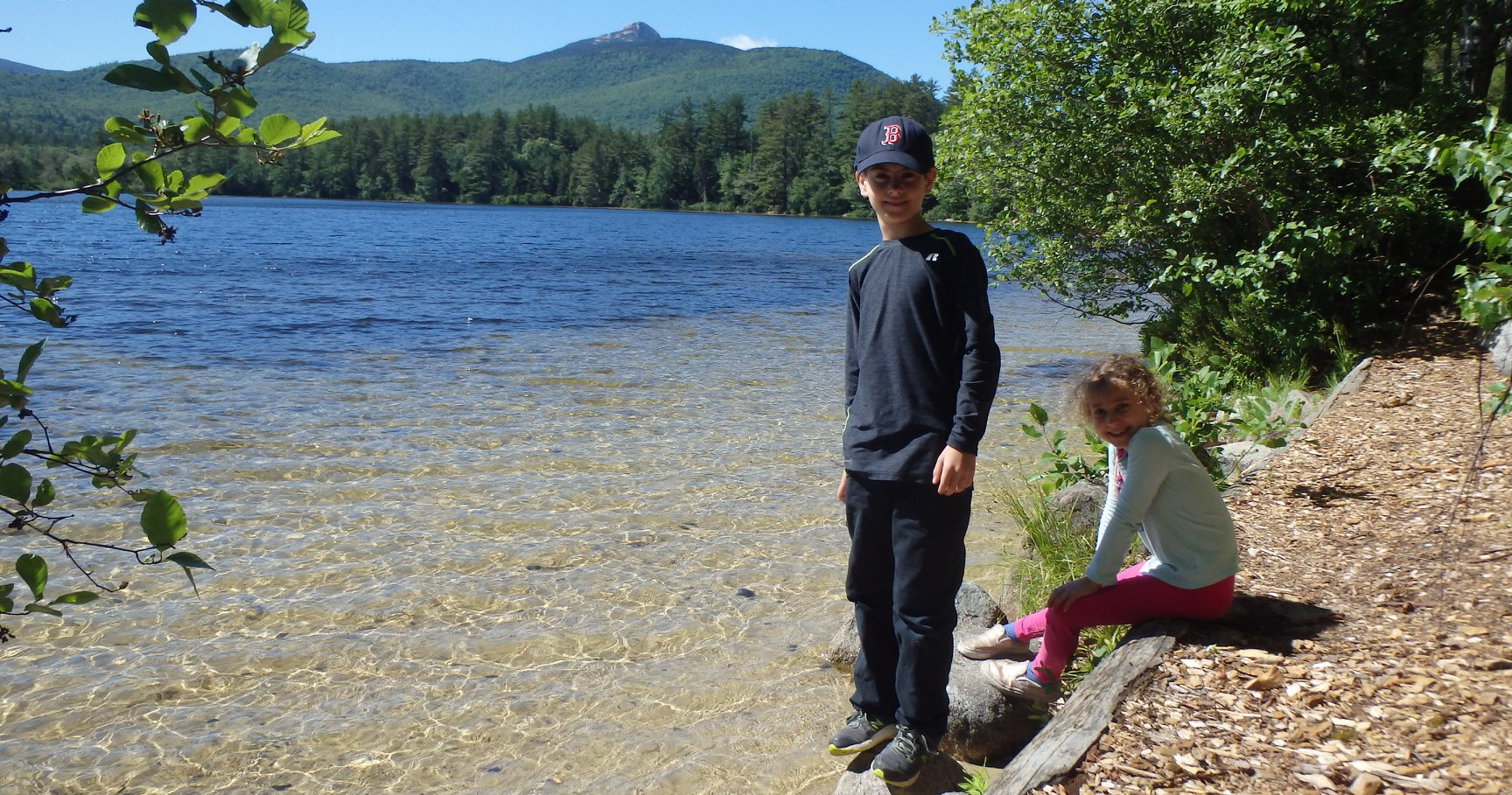
If you approach sightseeing with an appetite for small, precise pleasures—stately maples, a weathered meetinghouse, a low-slung barn framed against a ridge—Chichester will feel like a secret revealed. The town's landscape is a study in human and natural patterns: old fields that have been allowed to return to fringed meadow, networked backroads that thread through stands of hardwoods, and quiet streams that remember an era of mills and modest industry. Because Chichester isn't a destination that depends on one blockbuster attraction, touring here rewards curiosity. You can build an afternoon around a short interpretive walk through the village center, a farmstand stop for seasonal produce, and a slow drive that follows a river valley until the road narrows and the view opens.
Sightseeing tours in and around Chichester are inherently flexible—self-guided loops and short guided walks make it easy to tailor the pace. In spring and early summer, roadside verges fill with wildflowers and birdsong; late summer brings ripening fields and quieter light; and fall is a spectacle of color, where the hardwoods ignite into layered oranges and reds. Those seasons also bring complementary activities that pair naturally with sightseeing: a paddle on a nearby lake after a morning of village wanderings, a short hike in a neighboring state park to cap a scenic drive, or a bike tour along low-traffic lanes for a closer look at stone walls and cellar holes. The practical upside of Chichester's scale is that tours rarely demand more than a half-day commitment. That means you can combine history, nature, and local food without feeling rushed.
The tone of sightseeing here leans reflective rather than adrenaline-driven. Expect to move deliberately—scanning church placards, listening for the rattle of dry leaves, comparing architectural details—and to reap the rewards of quiet observation. For travelers who want an antidote to crowded scenic overlooks and long-line attractions, Chichester offers a more intimate, human-scale form of travel. It’s well suited to travelers who appreciate photography, slow drives, cultural context delivered by a knowledgeable local, and easy access to nearby outdoor activities like birding, paddling, and low-angle hiking on preserves. Practicalities favor comfortable shoes, a charged phone for navigation in rural areas, and time allowances to stop often: the best view is sometimes the roadside pull-off where the light hits a hayfield just right.