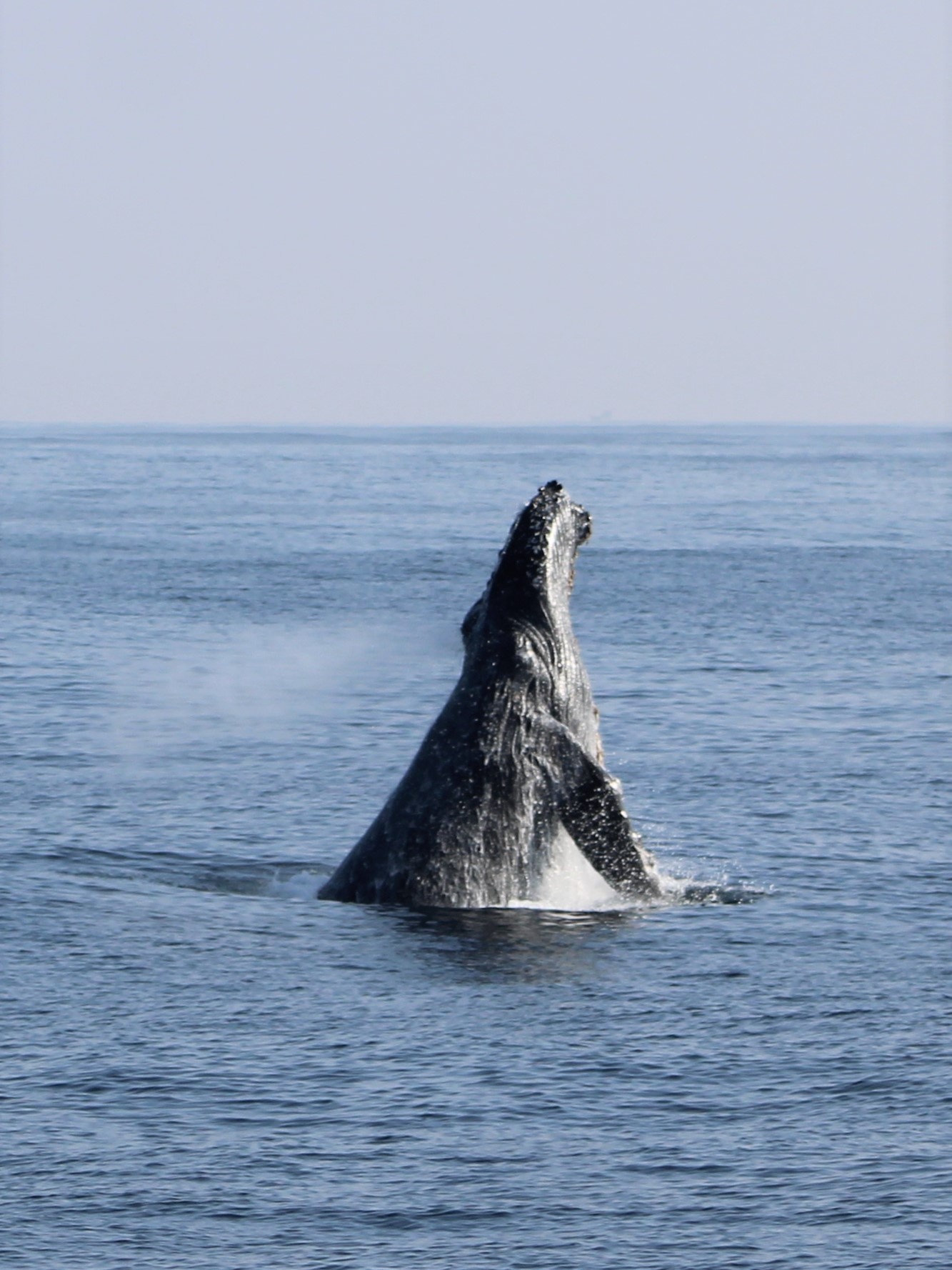
On a clear morning along the Chula Vista Bayfront, the line where city meets sea reads like an invitation: ferries cutting their wake, brown pelicans riding the gusts, and the distant swell that hints at something much larger moving offshore. Whale watching here is intimate because it layers familiar urban access—parking, public transit, bike paths—with quick connections to truly wild water. From the shoreline you can watch porpoises and transient dolphins play near the breakwater; within a short run you can be on a vessel headed to the continental shelf, where humpbacks and the occasional blue whale make themselves known.
This little stretch of the Southern California coast is best understood as a set of connected experiences rather than a single destination. Chula Vista is a practical base: its bayfront promenade and adjacent parks are excellent for shore-based scanning and easy family outings, while nearby launch points in San Diego and Coronado put open-ocean whale habitat within a half-hour to hour’s ride. The seasonal rhythm is distinct and readable. In winter and early spring the gray whale migration paints a dependable corridor just off the coast; come late spring and summer, larger pelagic species—humpbacks, blues, and a dynamic cast of dolphins—arrive with the upwelling-driven food. For the observant traveler, every sighting is framed by a deeper environmental story: the health of kelp forests, the state of forage fish, and the conservation work in local estuaries that supports the whole food web.
Culturally and historically, this coastline bears layers: indigenous Kumeyaay stewardship of the estuaries, maritime commerce at the port, and modern conservation wins that protect critical habitat pockets. That context matters on a whale-watch because ethical viewing practices and an understanding of local marine policy turn a pleasant outing into a responsible trip. Practical advantages are abundant: sheltered bay cruises are beginner-friendly and often shorter, making them perfect for families or those worried about seasickness; nearshore trips offer a balance of accessibility and the chance for close encounters; and full-day offshore runs—while more demanding—give committed observers the best odds for pelagic species.
Whether you’re binocular-first or camera-ready, Chula Vista’s whale-watching appeal comes from accessibility and variety. Pair a morning scan from the Bayshore Bikeway with an afternoon nearshore excursion, add birding at the nearby Tijuana River estuary, or combine a whale-watch with a bike ride along the Silver Strand. In all cases, the key is timing and respect: follow seasonality, keep safety and regulations in mind, and the coastline will repay you with big-animal moments and a clearer sense of the marine landscape beyond the city.