THE ADVENTURE COLLECTIVE® · Independent discovery and booking for outdoor travel
Parasail in Columbia, North Carolina
Columbia Parasail Guide

Parasail in Columbia, North Carolina

Parasailing around Columbia offers an unlikely but memorable vantage on North Carolina’s Inner Banks: slow-moving blue-green sounds, broad marshes stitched with channels, and skyward views that stretch from quiet oyster beds to distant barrier islands. This guide focuses on experiencing the region by air—what to expect, how to plan, and how parasailing here pairs naturally with boating, kayaking, and wildlife-watching trips.

Albemarle-Pamlico EstuaryCoastal Sounds & MarshesInner Banks Boating

Live destination inventory

Top Parasail Trips in Columbia

4 trips · Book with confidence · Instant confirmation

About The Destination

Why Parasail Around Columbia Feels Different

There’s an intimate kind of wide-open that only a shallow coastal sound can deliver—broad horizons that feel oceanic, but a stillness below that reads more like lake country. From the parasail harness above Columbia, that contradiction becomes poetry. You rise gently off a small charter boat, the towline humming as you lift, and suddenly the sound’s braided channels and salt marshes resolve into a geometric tapestry: oyster beds, tidal creeks, and ribboned marsh grass. The color palette changes with the tide and time of day—satin blues and greens at noon, glassy pewter at dawn, and honey-gold in the late afternoon. When the wind is right, the sensation is equal parts serenity and buoyant thrill: you are high enough to feel the geography and low enough to identify a great blue heron frozen on a sandbar.

Columbia sits on the edge of the Albemarle-Pamlico estuary system, one of the largest and most productive on the Atlantic coast. That ecological richness translates into visible wildlife: egrets and terns wheel below, dolphins sometimes track the parasail boat, and migrating shorebirds rest in the shallows during the shoulder seasons. Parasailing here is less about adrenaline and more about perspective—seeing the slow pulse of tides and the human marks in the landscape, like narrow boat channels and distant ferry runs that speak to the region’s maritime history. It’s an experience that pairs naturally with other waterborne activities; many operators combine parasail flights with half-day boat cruises, kayak launches into quieter creeks, or shallow-water fishing for anglers seeking a new vantage.

For travelers, Columbia’s parasail offerings tend to be small-scale and operator-driven rather than large beachfront commercial ramps you find on busier barrier islands. That translates into more flexible pickup points (local marinas and launch ramps), personalized briefings, and the chance to fly at quieter times—sunrise launches for soft light and cooler air, or late-afternoon flights that catch the tide’s changing textures. Weather and wind patterns are the story here: on calm days the flight is glasslike and peaceful; on breezier afternoons you’ll find a livelier ride. Seasonality is straightforward—late spring through early fall is the sweet window for stable weather and warm water, while hurricane season and cold fronts narrow the safe opportunities.

Practical considerations shape the experience as much as scenery. Parasailing is accessible to most people in reasonable health; operators set weight, age, and safety limits, and they run through equipment and emergency protocols before every launch. Bring layers for early-morning chills on the boat, sunscreen for reflected light off the water, and a camera with a tether or secure strap—the photo opportunities are the kind you want to keep. For the traveler looking to build a fuller coastal itinerary, combine your flight with a paddleboard tour through a neighboring creek, a chartered inshore fishing trip, or a leisurely birding walk along salt-pond edges. These paired activities deepen understanding of why the Inner Banks function as they do—ecologically productive, quietly navigable, and best appreciated from water and air together.

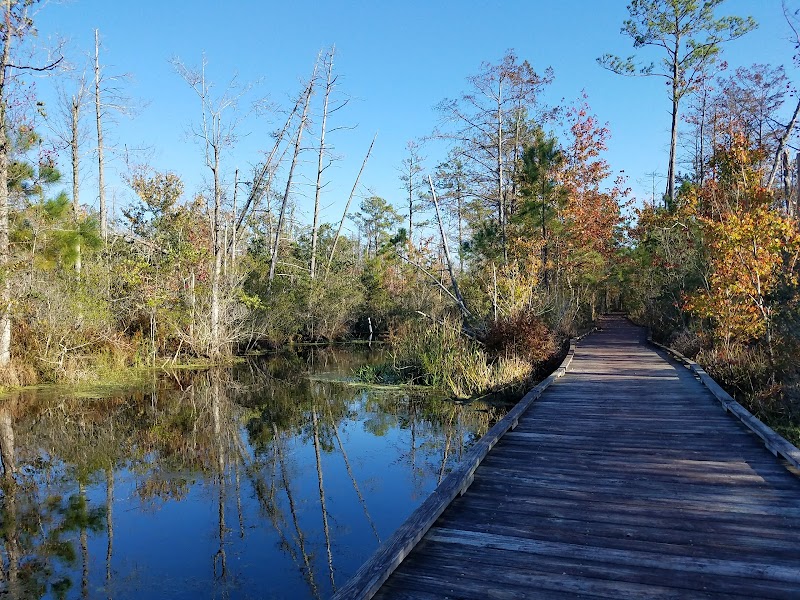
Parasailing near Columbia is often conducted from small, locally run boats that prioritize personal attention and safety briefings, which can be an advantage for first-time flyers or travelers who value a quieter experience over large commercial operations.

The estuary’s shallow waters and broad flats mean parasail flights can offer long, sweeping views of tidal geometry and marshland—different from open-ocean parasails that emphasize waves and cliffs. That makes the Columbia experience especially rewarding for photographers and wildlife observers.

Key Highlights

•Activity focus: Boat-based parasailing above estuaries and sounds
•Number of matching experiences in the area: 4
•Best window: Late spring through early fall
•Pairs well with: kayaking, birding, inshore fishing, and coastal boat tours
•Expectations: gentle to moderate lift depending on wind; calm-weather rides are common

Seasonal planning

Best Time to Visit

Late spring through early fall offers the most stable conditions for parasailing—warmer air and predictable afternoon breezes. Summer brings the warmest water but also the highest chance of afternoon thunderstorms; always check marine forecasts. Hurricane season (June–November) can disrupt scheduling—book with flexible cancellation policies.

Parasail in Columbia, North Carolina
Seasonal Highlights

Peak Season: Summer months (June–August) are busiest, especially weekends and holidays.

Recommended months: May, June, July, August, September, October

Peak season

Summer months (June–August) are busiest, especially weekends and holidays.

High-demand period with peak activity schedules.

Best months

May – June – July – August – September – October

Optimal conditions for outdoor activities and tours.

Weather & conditions

Late spring through early fall offers the most stable conditions for parasailing—warmer air and predictable afternoon breezes. Summer brings the warmest water but also the highest chance of afternoon thunderstorms; always check marine forecasts. Hurricane season (June–November) can disrupt scheduling—book with flexible cancellation policies.

Off-season & shoulder periods

Shoulder months (May and October) can deliver calmer waters, fewer crowds, and excellent migration birdwatching—ideal for photography-oriented flights.

Match the trip to your comfort

Choose Your Experience Level

Introductory

Beginner

Ideal for first-time flyers and families—short, guided flights with full safety briefings and close-boat support.

  • Introductory single or tandem parasail flight
  • Sunrise brief flight combined with a calm-water boat cruise
  • Short flight paired with shoreline birdwatching
Active outing

Intermediate

For travelers who’ve parasailed before and want longer airtime or combination trips—often paired with other boat-based activities.

  • Extended tandem flight with photography session
  • Afternoon flight combined with inshore fishing or a marsh kayak outing
  • Sunset parasail on a calm summer evening
Challenging / Technical

Advanced

Less about technical difficulty and more about tailored experiences—longer custom flights, photography missions, or private charters that visit more remote channels.

  • Private charter parasail with extended route and multiple fly sessions
  • Photography-focused flight timed for golden hour
  • Combined exploration: parasail plus guided estuary navigation and birding

Recommended Gear

What to Bring

Essential

Core items

  • Sunglasses with retainer or strap
  • Sun protection: hat, SPF sunscreen, and lip balm
  • Light waterproof jacket or windbreaker for boat breezes
  • Secure camera or smartphone strap
  • Water bottle and light snack
Recommended

Helpful extras

  • Non-slip boat shoes or sandals that strap on
  • Light layers for morning and evening temperature swings
  • Motion sickness remedy if prone to seasickness
  • Waterproof bag for phone and keys
Optional

Trip-specific

  • Binoculars for bird and shoreline watching
  • Quick-dry towel and change of clothes
  • Small dry bag for personal items during the flight
Book flexible slots and confirm weather policies; local wind and tidal patterns can change plans quickly.

Insider Tips & Local Knowledge

Aim for early-morning or late-afternoon launches to avoid congested weekend midday traffic and to capture the best light. If you’re photographing from the air, bring a light camera with a secure strap and consider a wide-angle lens—the broad vistas favor sweeping compositions. Ask operators about combining your flight with a short kayak or birding leg—many local providers will help arrange multi-activity days. Respect wildlife: keep noise and flash photography minimal near nesting sites and follow the operator’s guidance about flight paths to avoid disturbing sensitive areas. Finally, verify boarding locations and parking logistics before you arrive; small marinas and ramps around Columbia can have limited space, and some launches require a short walk with gear.

Planning questions

Frequently Asked Questions

No. Most operators provide a pre-flight briefing, secure harnessing, and a short safety orientation. Operators typically handle takeoff and landing from the boat; participants should be able to follow basic instructions.
Parasail in Columbia, North Carolina
Ready for your parasail adventure?

Browse 4 verified trips in Columbia.

Compare current availability and book with instant confirmation.

Explore Columbia parasail trips →