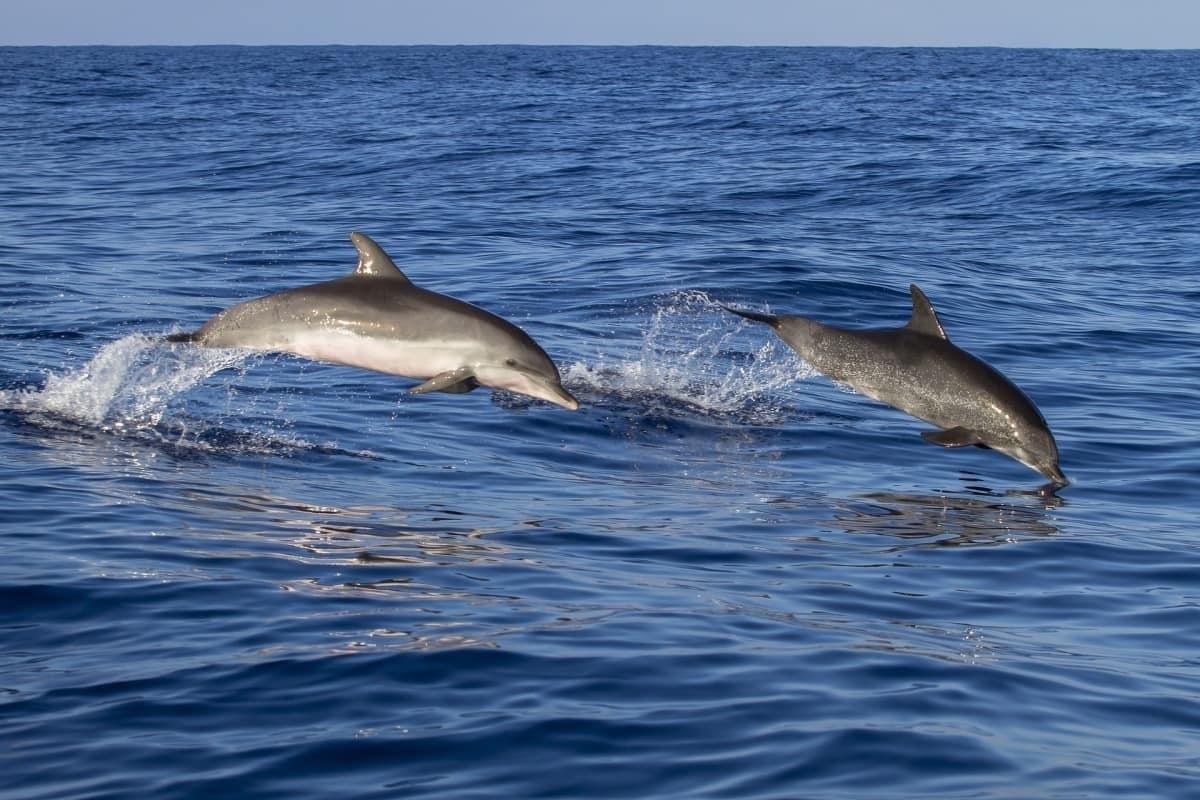
There’s an easy deception to Cortez: a low-slung fishing village that feels frozen in time, with weathered wood buildings, shrimp boats tied to the dock, and a shoreline that seems quieter than the major tourist hubs to the south. The hush is intentional—and it’s exactly why dolphins gather here. The shallow flats stretching from the Cortez waterfront into Sarasota Bay and across to Palma Sola Bay form a mosaic of seagrass, sand, and tidal channels that teem with the small fish and crustaceans bottlenose dolphins prefer. Tidal rhythms, not luck, often determine where pods hunt, and local guides read those rhythms like fishermen read the wind. For travelers, that means encounters that feel natural and unscripted: a line of sleek backs breaking a mirror-still surface, a calf nudging curiosity toward a kayak, or a bow-riding pair cutting through morning light.
The cultural and historical fabric of Cortez deepens the experience. This slice of Florida was built by working watermen, and you’ll still see handlines, cast nets, and shrimp trawlers operating a short distance from tour launches. That heritage colors how dolphin encounters happen here—many operators work in partnership with longtime fishermen and scientists, so tours are rooted in place-based knowledge rather than one-size-fits-all spectacle. The result is an eco-minded approach: observing without intruding, prioritizing mothers and calves during sensitive periods, and keeping boats and paddlers at respectful distances when dolphins are engaged in feeding or nursing.
Weaving environmental context into planning is essential. Seagrass beds are not only nursery habitat for fish; they trap sediment, clarify water, and support the invertebrates dolphins eat. Mangrove shorelines act as buffers from storms and offer sheltered foraging grounds. Seasonal changes—water temperature, plankton blooms, and baitfish migrations—shape where dolphins congregate. While Cortez offers year-round sightings of resident and transient animals, timing trips for tidal movement and early morning light converts a good outing into an exceptional one. Add practical awareness—respectful behavior, no feeding, and following local regulations—and you protect the very dynamics that make Cortez special. For travelers who want more than a selfie, Cortez invites you into a slower, observational kind of wildlife tourism: one where local stories, natural history, and marine stewardship are part of the trip.