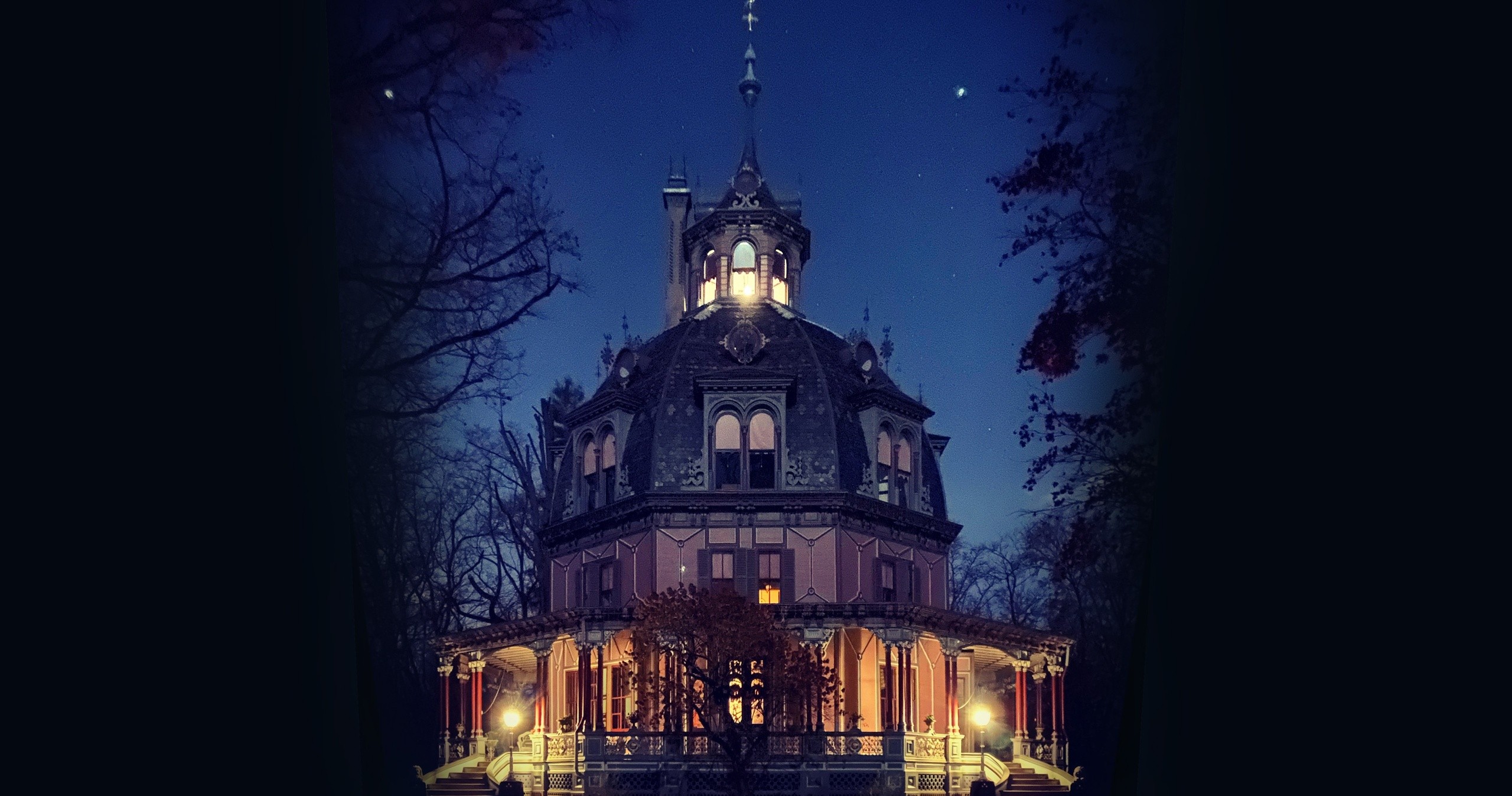
There’s a scaled-down grandeur to Croton-on-Hudson that reads well through a lens. In a single walk you can move from quiet tidal marsh and reed beds to a granite dam built in the 19th century, then to a riverside village lined with old brick and clapboard. The town’s compact geography makes it ideal for short photography tours where lighting and weather matter more than long hikes. Sunrise and sunset are magnetic here: the Hudson widens, clouds pick up color quickly over the water, and low tidal light softens textures across mudflats and pilings.
The landscape is both natural and engineered. Croton Dam and the gorge create a dramatic foreground for long exposures—spray, foam, and rushing water convert into silver ribbons at dusk. Croton Point Park offers shifting scenescapes: open meadow, shoreline, and a peninsula where migration funnels birds in spring and fall. Little Stony Point and nearby Westchester rail corridors introduce lines and layers—tracks, bridges, and industrial relics that photographers prize for contrast against the river’s organic forms. That juxtaposition is the town’s visual signature: Hudson River School sensibilities (the valley’s history of landscape painting) meet post-industrial texture.
On a practical level, Croton-on-Hudson is unusually accessible for day photographers coming from New York City—train access and short drives mean you can plan golden-hour shoots without committing to a multi-day trek. Guided tours here lean toward craft: composition coaching, exposure techniques for moving water, marshland bird ID for wildlife shots, and local vantage points that shift with the tide and season. For travelers who want to combine disciplines, the area pairs well with paddling sessions, short hikes on nearby preserves, and village street photography. Expect changing light and changing weather; the elements here give you drama, but they also require preparation—waterproof protection for gear, flexible plans for wind and rain, and an eye for safety near cliffs and dam edges.