THE ADVENTURE COLLECTIVE® · Independent discovery and booking for outdoor travel
Dolphin Experiences in DeLand, Florida
DeLand Dolphin Guide

Dolphin Experiences in DeLand, Florida

From glassy estuary mornings to the salt-scented churn of inshore surf, DeLand sits inland but within striking range of some of Florida’s most reliable dolphin habitats. Whether you slip into a kayak at sunrise, climb aboard a small-boat eco-tour, or watch from a quiet shoreline, encounters with bottlenose dolphins are often intimate and theatrical—pods surfacing, juveniles riding bow waves, and adults weaving through mangrove channels. This guide centers on dolphin-focused activities accessible from DeLand: where to go, when to time your trip, how to choose responsible operators, and what to bring to have a rewarding and low-impact wildlife experience.

Indian River LagoonMosquito LagoonHalifax RiverTitusville & New Smyrna access

Live destination inventory

Top Dolphin Trips in DeLand

9 trips · Book with confidence · Instant confirmation

About The Destination

Why DeLand Is a Smart Base for Dolphin Encounters

DeLand is a crossroads between inland Central Florida and the coastal estuaries that sustain healthy dolphin populations. The town itself is a short drive from tidal creeks, barrier island inlets, and protected lagoons where warm, shallow water, abundant seagrass, and a rich food web create ideal conditions for bottlenose dolphins. Unlike ocean-only sightings, estuarine encounters often feel personal: dolphins forage close to mangrove fringes, cruise narrow channels, and sometimes approach kayaks and small skiffs in inquisitive groups. Those who travel from DeLand can experience both the hush of early-morning salt marshes and the wider, more dynamic surf zones of the Atlantic—the two environments offering distinct viewing vibes and photographic opportunities.

Beyond wildlife spectacle, a dolphin-focused trip from DeLand connects travelers to layered coastal histories and conservation stories. The Indian River Lagoon system, including Mosquito Lagoon and nearby river mouths, is one of North America’s most biodiverse estuaries, supporting fish, sea turtles, manatees, migratory birds, and, of course, dolphins. Local eco-guides and wildlife centers have long balanced public access with stewardship—many operators emphasize distance guidelines, noninvasive viewing, and educational context so encounters enhance appreciation rather than disturb animals. Visiting from DeLand also lets you fold complementary activities into your itinerary: paddle among mangroves at golden hour, birdwatch salt panne edges, explore dune systems on the coast, or visit a marine education center to learn about local research and rescue work.

Practical access is a major advantage. DeLand sits within roughly 30–60 minutes of several primary launch points depending on tide and traffic: small-town ramps, protected launch coves, and guided-boat departures that cater specifically to dolphin and estuary ecology. This means a single-day outing from DeLand can deliver varied experiences—calm, close-in estuary paddling for quiet observation in the morning and a wider gulf or inlet cruise later in the day for more dynamic behaviors. Weather and tides matter: low wind and incoming tides tend to concentrate prey and make dolphin activity easier to read, while wind-driven chop can push animals farther offshore and make small-boat options preferable. For curious travelers, DeLand is both convenient and quiet—an ideal home base for repeated trips that increase the likelihood of meaningful dolphin moments while supporting mindful wildlife tourism.

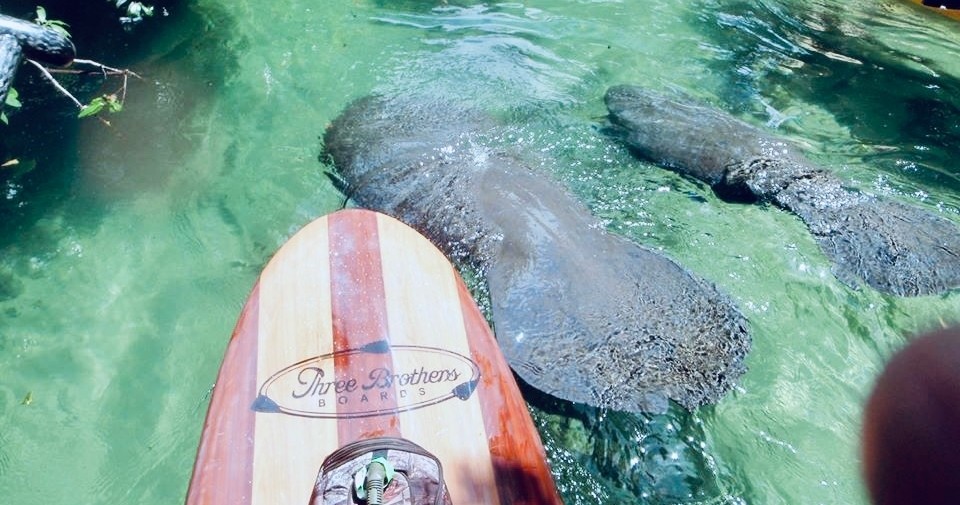
Estuarine dolphins (mostly common bottlenose) are the frequent performers; they exploit seagrass flats and tidal channels where baitfish congregate.

Conservation-minded operators in the region emphasize set-back distances, no-chase policies, and education—choose tours that follow NOAA and state guidelines.

Combining a dolphin outing with kayaking, birding, or a marine center visit deepens the context and broadens the day’s wildlife possibilities.

Seasonal shifts alter prey movement and dolphin distribution. Spring through fall usually produces the most visible, active groups close to shore.

Key Highlights

•Activity focus: Dolphin viewing and inshore marine wildlife
•Number of dolphin-focused outings accessible from DeLand: 9
•Primary habitats: lagoons, tidal creeks, river mouths, and nearshore Atlantic swells
•Common species: Atlantic bottlenose dolphin (Tursiops truncatus)
•Pack a lightweight binocular and a polarizing lens for clearer viewing and photos

Seasonal planning

Best Time to Visit

Calm, warm mornings with light winds are ideal for inshore dolphin viewing and kayaking. Summer heat and afternoon thunderstorms are common; autumn and spring offer comfortable temps and active marine life. Watch for seasonal algal blooms (e.g., red tide) which may occasionally affect sightings and health advisories.

Dolphin Experiences in DeLand, Florida
Seasonal Highlights

Peak Season: Spring and fall offer consistently good sighting rates and comfortable weather; summer can be busy on weekends but still productive for wildlife.

Recommended months: March, April, May, September, October, November

Peak season

Spring and fall offer consistently good sighting rates and comfortable weather; summer can be busy on weekends but still productive for wildlife.

High-demand period with peak activity schedules.

Best months

March – April – May – September – October – November

Optimal conditions for outdoor activities and tours.

Weather & conditions

Calm, warm mornings with light winds are ideal for inshore dolphin viewing and kayaking. Summer heat and afternoon thunderstorms are common; autumn and spring offer comfortable temps and active marine life. Watch for seasonal algal blooms (e.g., red tide) which may occasionally affect sightings and health advisories.

Off-season & shoulder periods

Winter months often bring clearer water and fewer crowds—animal distributions can shift, and colder snaps may concentrate certain prey species leading to focused foraging behavior.

Match the trip to your comfort

Choose Your Experience Level

Introductory

Beginner

Gentle shore-based watching, short guided launches on stable boats, and introductory kayak trips in protected channels.

  • Sunrise estuary boat tour
  • Short guided kayak in tidal creek
  • Shoreline viewing from a protected inlet
Active outing

Intermediate

Half-day paddle or small-boat excursions across shallow flats and mangrove-lined channels; requires basic paddling or boating comfort.

  • Half-day kayak exploration of mangrove estuaries
  • Eco-boat tour combining dolphin watching and birding
  • Photography-focused late-afternoon cruise
Challenging / Technical

Advanced

Longer, more active paddles in variable conditions, multi-hour open-water photography outings, or citizen-science volunteering that may require experience and stamina.

  • Open-water launches to nearshore sandbars
  • Extended photography charter during transitional tides
  • Volunteer survey days with local marine research groups

Recommended Gear

What to Bring

Essential

Core items

  • Waterproof/water-resistant layer and sun protection (hat, SPF 30+)
  • Reusable water bottle and light snacks
  • Camera or phone with lanyard and a polarizing filter if you have one
  • Lightweight binoculars
  • Motion-sickness remedy if you’re prone to it on small boats
Recommended

Helpful extras

  • Waterproof dry bag for electronics and essentials
  • Quick-dry layers and a windbreaker for open-boat exposure
  • Light gloves for kayak paddling and a small first-aid kit
  • Guidebook or app for local wildlife identification
Optional

Trip-specific

  • Underwater camera or action cam for splashy footage
  • Field notebook for jotting behaviors and locations
  • Compact towel and change of clothes for paddle trips
Prioritize operators who follow no-chase guidelines and can explain local ecology.

Insider Tips & Local Knowledge

Book early-morning departures for the calmest water and closest inshore activity. Ask guides about their vessel and wildlife protocols before reserving. When paddling, keep group noise low, approach channels slowly, and let dolphins choose to approach. Keep an eye on tides—incoming tides often concentrate baitfish and increase dolphin activity near mouths and mangrove edges. Carry cash or card for local launches and support conservation-minded businesses—many local operators contribute to research and rescue efforts. If red tide or other bloom advisories are posted, respect closures and public-health notices; operators will usually cancel or reroute trips when conditions could harm wildlife or visitors. Finally, allow extra time: a repeat outing—two half-days rather than a single longer excursion—often yields a richer understanding of behavior and increases the chance of memorable sightings.

Planning questions

Frequently Asked Questions

No—dolphins can sometimes be seen from public shorelines and bridges, but guided tours increase your chances, provide safety and local knowledge, and follow best-practice viewing protocols.
Dolphin Experiences in DeLand, Florida
Ready for your dolphin adventure?

Browse 9 verified trips in DeLand.

Compare current availability and book with instant confirmation.

Explore DeLand dolphin trips →