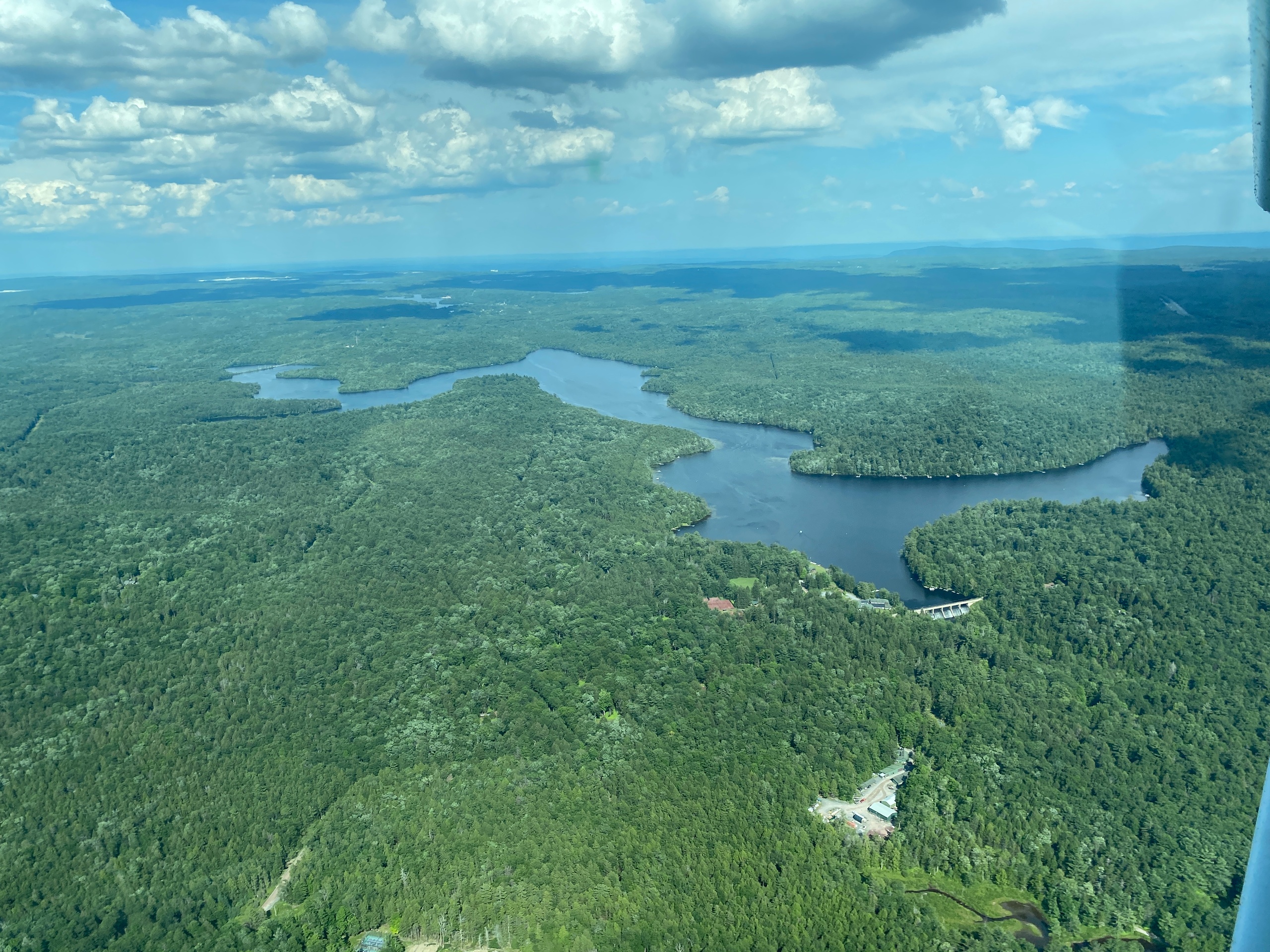
There’s a particular honesty to the sky over northeastern Pennsylvania — it doesn’t pretend to be pristine alpine air, but it reveals a landscape written by geology, industry, and the slow carving of rivers. From altitude, the anthracite scars and rail corridors that shaped towns like Dickson City read clearly: long black ribbons of former mines, tidy blocks of post-industrial neighborhoods, and green lungs of reclaimed forest. For travelers seeking aerial perspectives that pair human history with natural drama, this corridor is unexpectedly rich.
Mornings are the secret: cool, stable air and low winds between sunrise and mid-morning create the safest, most scenic windows for hot-air balloons and small-aircraft tours. In spring and fall, thermal activity is muted, offering smoother rides and wide visibility — ideal for photographers and anyone who wants to trace the serrated edges of the Poconos or spot the winding Lackawanna River from above. Summer brings stronger thermals and the risk of afternoon thunderstorms; flights are more commonly scheduled before lunch or postponed. Winters, while cold, occasionally deliver crystalline days where snow-blanketed ridgelines and the dark veins of rivers make for striking contrasts from height.
The activities clustered around Dickson City are practical and approachable. Most aerial experiences are short: 20- to 60-minute scenic flights in light aircraft, tethered or free hot-air balloon launches timed for sunrise, or adrenaline-focused tandem skydives operated from nearby regional drop zones. Ultralight and gyroplane flights add a sense of exposure and immediacy — you feel the air as much as you see it. Operators typically handle the technicalities: pilot briefings, safety gear, and weight or health guidelines. Your role is simple — arrive alert, dress in layers, and be ready for a different kind of local tour: one that flips town maps into living landscapes and turns a familiar highway view into a stitched story of valley, rail, and ridge.