THE ADVENTURE COLLECTIVE® · Independent discovery and booking for outdoor travel
Top 14 Kayak Adventures in East Hampton, New York
East Hampton Kayak Guide

Top 14 Kayak Adventures in East Hampton, New York

East Hampton compresses an Atlantic-edge surf culture, sheltered tidal creeks, and wide, calm bays into a small geographic stage—ideal for day paddles that range from placid marsh tours to exposed point-to-point crossings. This guide focuses on kayaking routes and experiences: where to launch, how the tides shape your day, and the best seasons for calm water and wildlife viewing.

Gardiners BayThree Mile HarborNapeague BayAccabonac HarborAtlantic Ocean launchpoints

Live destination inventory

Top Kayak Trips in East Hampton

14 trips · Book with confidence · Instant confirmation

About The Destination

Why East Hampton Is a Standout Kayaking Destination

East Hampton feels at once refined and elemental—manicured villages and summer estates sit a short paddle from salt marshes and open bay. Kayakers are granted access to a surprising range of water: the glassy, meandering channels of tidal wetlands, deep blue bowls of Gardiners Bay, and the Atlantic approach where wind and swell sharpen the experience. That variety means a single weekend can contain multiple moods: a sunrise calm through reeds and egrets, a midday crossing with a steady sea breeze, and a late-afternoon glide along shoreline bluffs as light softens.

The geography makes planning part of the pleasure. Many classic routes begin at small public launches or town docks—Three Mile Harbor, Georgica Pond access points, and Napeague provide quick exits to protected water. From there, kayakers thread between marsh islands and oyster beds, eyes peeled for seal heads and oyster boat wakes. In contrast, launching from the ocean or exposed points requires tidal respect: currents in and out of narrow channels can accelerate and chop, and wind ramps up pace and exposure. Local outfitters and town launch maps are essential because the safest, most scenic trips often use a mix of sheltered coves and short open-water crossings.

Culturally, paddling here is also a way to read East Hampton’s layered history—the coastline still bears traces of Native American shell middens, colonial wharves, and longstanding fishing communities. Conservation efforts have protected significant stretches of marsh and dune, making paddling a low-impact way to connect with coastal ecosystems. That protection means kayak routes regularly thread near delicate habitats: tidal flats that host migrating sandpipers, eelgrass beds that cradle juvenile fish, and saltmeadow edges where migratory birds roost. Paddlers who move quietly and follow seasonal guidelines will find the best views—and help preserve the place.

Practically, seasonality is decisive. Late spring and early summer bring calm mornings and cool water; by mid-summer, afternoon sea breezes are reliable and can make cross-bay paddles brisker. Shoulder seasons (May and September–October) are excellent for fewer crowds and heightened bird activity, but water temperatures drop and wind can be more changeable. Conversely, peak summer weekends draw recreational boat traffic and paddleboarders; plan your route to avoid narrow channels during midday weekends. Whether you seek reflective wildlife loops or a technical open-water crossing into Gardiners Bay, East Hampton’s compact coastline rewards careful timing, respect for tides, and curiosity about the smaller waterways that stitch the shore together.

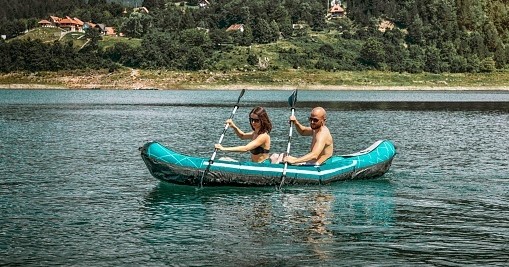
East Hampton’s sheltered harbors and interconnected tidal creeks make it an ideal place for guided nature paddles, photography floats, and short family-friendly outings close to beach towns.

More experienced paddlers can stitch together multi-bay routes or attempt open-water legs between points—always with a conservative plan that accounts for wind direction, tide windows, and easy bailout spots.

Key Highlights

•Activity focus: Coastal & tidal kayaking
•Routes range from sheltered marsh loops to exposed bay crossings
•Tides and afternoon sea breezes strongly influence route difficulty
•Popular launch areas include Three Mile Harbor, Gardiners Bay launch points, and Napeague
•Wildlife: seals, wading birds, and seasonal shorebird migrations

Seasonal planning

Best Time to Visit

Mornings are typically the calmest; sea breezes pick up in the afternoon, strongest in summer. Shoulder seasons offer cooler temperatures and fewer boats but require warmer layers. Check wind and tide forecasts before launching.

Top 14 Kayak Adventures in East Hampton, New York
Seasonal Highlights

Peak Season: July–August weekends bring the highest number of recreational boaters and beach traffic.

Recommended months: May, June, July, August, September, October

Peak season

July–August weekends bring the highest number of recreational boaters and beach traffic.

High-demand period with peak activity schedules.

Best months

May – June – July – August – September – October

Optimal conditions for outdoor activities and tours.

Weather & conditions

Mornings are typically the calmest; sea breezes pick up in the afternoon, strongest in summer. Shoulder seasons offer cooler temperatures and fewer boats but require warmer layers. Check wind and tide forecasts before launching.

Off-season & shoulder periods

Late spring and early fall provide quieter water and strong wildlife viewing (migratory birds, seals), though water temperatures drop and wind can be more variable.

Match the trip to your comfort

Choose Your Experience Level

Introductory

Beginner

Protected harbor paddles, short marsh loops, and calm bay edges with minimal exposure to wind or open water.

  • Three Mile Harbor exploratory loop
  • Accabonac Harbor marsh and birdwatching paddle
  • Gentle coastline glide from village launchpoints
Active outing

Intermediate

Longer distance paddles across sheltered portions of Gardiners Bay, mixed protection routes, and trips requiring tide awareness and basic navigation.

  • Cross-bay hop to nearby points in Gardiners Bay under light winds
  • Napeague Bay perimeter paddle with meadow viewing
  • Sheltered island circumnavigations and oyster-farm observation routes
Challenging / Technical

Advanced

Exposed coastal crossings, open-water legs to neighboring points, paddles with significant wind or tidal currents, and multi-leg navigational outings.

  • Open-water crossing routes requiring tide-window planning
  • Point-to-point paddles that include exposed Atlantic approaches
  • Extended day trips combining bays, inlets, and ocean stretches

Recommended Gear

What to Bring

Essential

Core items

  • Personal flotation device (PFD) — worn at all times
  • Spare paddle and paddle leash
  • Waterproof dry bag for phone, keys, and layers
  • Water, salty snacks, and sun protection (hat, sunscreen)
  • Tide and wind forecast (apps or printouts) and a planned turnaround time
Recommended

Helpful extras

  • Light spray jacket or windbreaker
  • Water shoes or sandals with toe protection
  • Bilge pump or sponge for sit-inside kayaks
  • Whistle and small VHF or waterproof cell case for emergencies
  • Map of local launch points and bailout coves
Optional

Trip-specific

  • Binoculars for bird and seal watching
  • Compact camera or dry-cased mirrorless
  • Neoprene or thermal layer for shoulder-season paddles
Always verify launch access, parking rules, and seasonal restrictions before heading out.

Insider Tips & Local Knowledge

Launch early for glassy-smooth conditions—sunrise often delivers the calmest water and the best light for wildlife. Use tide charts to schedule narrow-channel legs around slack tide; avoid attempting exposed crossings with a rising onshore wind. Respect private shorelines and marked restoration areas—stay a respectful distance from seal haul-outs and nesting shorebirds. If you’re renting, opt for a sealed-day hatch kayak and a spare paddle; if paddling your own, carry a simple repair kit and a float plan filed with someone on land. Local outfitters run guided birding and oyster-farm tours that are excellent for learning about habitats while keeping disturbance low. Finally, factor in parking limits at town launches—arrive early or plan for a short carry to quieter access points.

Planning questions

Frequently Asked Questions

No—many sheltered harbors and tidal creeks are appropriate for beginners when conditions are calm. For open-bay crossings or ocean launches, prior paddling experience and comfort in handling wind and chop are recommended.
Top 14 Kayak Adventures in East Hampton, New York
Ready for your kayak adventure?

Browse 14 verified trips in East Hampton.

Compare current availability and book with instant confirmation.

Explore East Hampton kayak trips →