THE ADVENTURE COLLECTIVE® · Independent discovery and booking for outdoor travel
Sailing Around Flanders, New Jersey: Lakes, Reservoirs & Short Coastal Getaways
Flanders Sailing Guide

Sailing Around Flanders, New Jersey: Lakes, Reservoirs & Short Coastal Getaways

Flanders may not be a seaside village, but it sits in a pocket of New Jersey where lakes, reservoirs, and river corridors open the door to surprisingly varied sailing: protected freshwater reaches for learning and family days, breeze-prone basins for day-sail practice, and easy road links to coastal marinas for offshore exploration. This guide focuses on how to get on the water near Flanders—what conditions to expect, how to plan and pack, and how to match your sailing goals (learn, race, cruise, or day-sail) to the region’s options.

Northern New Jersey lake countryFreshwater sailingDay charters & rental skippers

Live destination inventory

Top Sailing Trips in Flanders

74 trips · Book with confidence · Instant confirmation

About The Destination

Why Sail Near Flanders? Freshwater Freedom and Short Coastal Links

Sailing around Flanders is an exercise in smart variety. The town itself sits inland, but within a short drive lies a network of freshwater lakes and reservoirs whose sheltered waters make them ideal classrooms for beginners and forgiving day-sail venues for families. Those same bodies of water invite more deliberate practice: short-beam reaches to work on sail trim, sheltered coves for anchoring and picnicking, and clear sightlines that help novices learn navigation and rules of the road without the stress of tidal currents and heavy commercial traffic.

Beyond training value, the region’s waters have personality. Spring mornings often offer light, glassy conditions that reward patience and sail trim; summer afternoons bring thermal winds that build into steady reaches suited to planing dinghies and performance daysails. Early autumn is quietly brilliant—cooler air, cleaner light, and fewer boats—making it a favorite window for couples and small crews who want solitude without committing to overnight passages.

The logistical advantages are real. Inland sailing reduces the layers of preparation required for offshore trips (no tide boards, fewer charts to reconcile), and boat rental options typically include trailer-launchable keelboats and dinghies that allow short, focused outings. For sailors who want to graduate from the lakes, coastal marinas and charter operators are a manageable drive away; you can spend a weekend sharpening seamanship on familiar, calmer water and then test those skills on a bay sail or short coastal hop.

Culturally, the area’s sailing scene leans community-driven: race committees on summer evenings, club socials at the end of weekend sails, and informal knowledge-sharing among renters and livery operators. For travelers this means accessible learning pathways—group lessons, skippered charters, or pick-up crews—that make getting on the water straightforward even if you arrive solo or without gear.

Environmental context matters here: these are freshwater ecosystems with sensitive shorelines. Low-water seasons can expose shoals and marina basins, and sudden thunderstorms are common in warm months. Responsible local sailing emphasizes low-wake approaches to shorelines, careful anchoring in designated spots, and leaving no trace after on-water picnics. Plan your outings to match conditions, and the region rewards with calm mornings, lively afternoon sailing, and the quiet gold of late-season days when the water mirrors the sky.

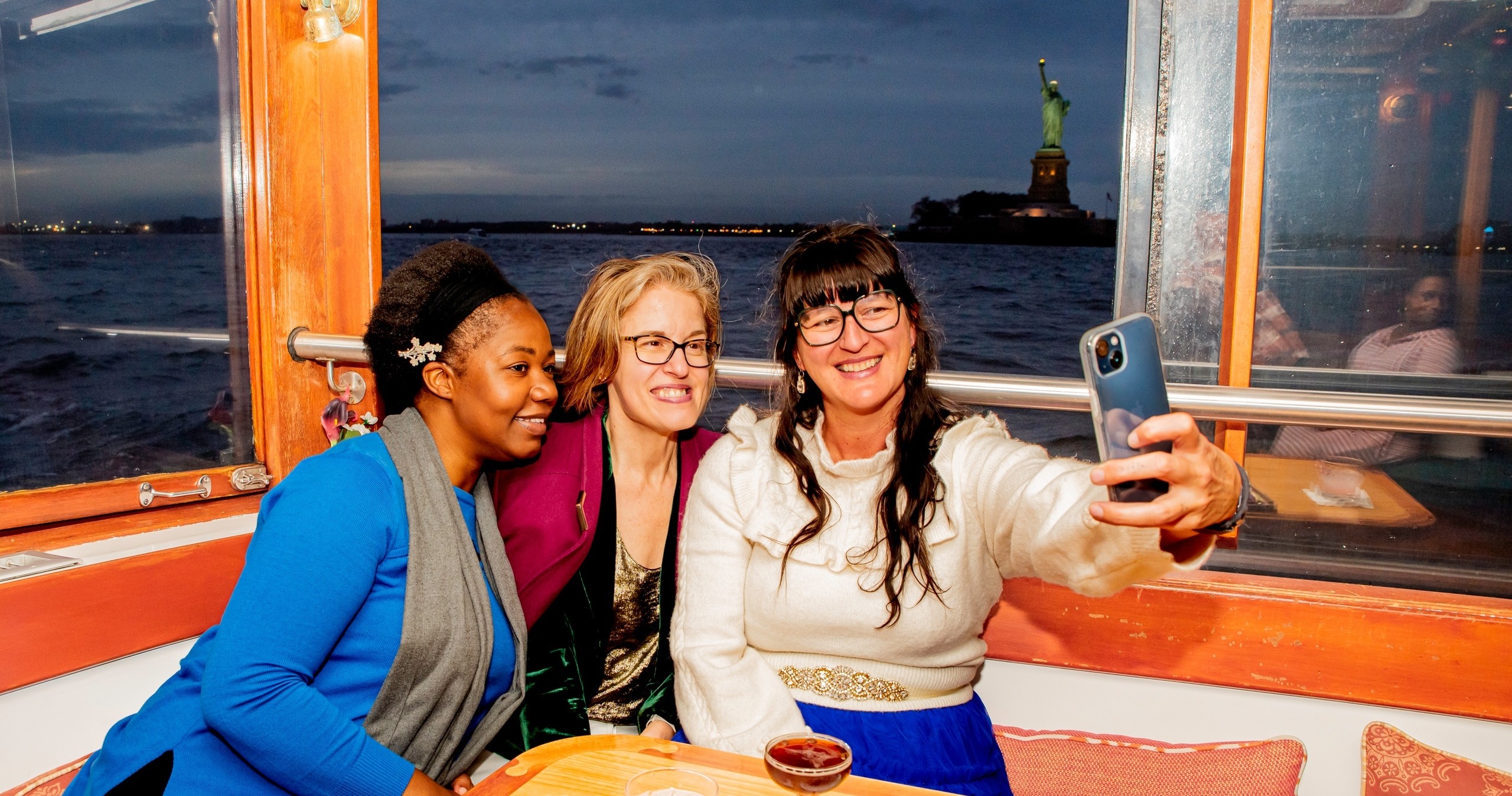
The variety of sheltered basins is the draw: classroom-friendly lakes for lessons, mid-size reservoirs for confident day sails, and convenient access routes to coastal charters for overnight or bay sailing.

Seasonality shapes the experience: spring and early summer offer variable light-air practice, midsummer builds thermal winds for steady afternoons, and fall delivers cooler temperatures and thinning crowds—ideal for focused skill-building and quiet cruises.

Key Highlights

•Activity focus: Freshwater and short coastal sailing
•Great for learning sail-handling and day-sail practice
•Best sailing conditions: late spring through early fall
•Common complementary activities: kayaking, fishing, birding, shoreline picnics
•Weather shifts: expect calm mornings, building afternoon thermals, and occasional summer thunderstorms

Seasonal planning

Best Time to Visit

Late spring and early fall offer the most comfortable sailing temperatures and more reliable breeze patterns. Midsummer brings thermally driven afternoon winds but also a higher chance of thunderstorms; monitor local forecasts and be prepared to shorten sails. Winter and early spring can produce cold, blustery conditions and are generally best avoided unless you have experience with cold-weather sailing and proper gear.

Sailing Around Flanders, New Jersey: Lakes, Reservoirs & Short Coastal Getaways
Seasonal Highlights

Peak Season: July and August are the busiest months for recreational boating and rentals.

Recommended months: May, June, July, August, September, October

Peak season

July and August are the busiest months for recreational boating and rentals.

High-demand period with peak activity schedules.

Best months

May – June – July – August – September – October

Optimal conditions for outdoor activities and tours.

Weather & conditions

Late spring and early fall offer the most comfortable sailing temperatures and more reliable breeze patterns. Midsummer brings thermally driven afternoon winds but also a higher chance of thunderstorms; monitor local forecasts and be prepared to shorten sails. Winter and early spring can produce cold, blustery conditions and are generally best avoided unless you have experience with cold-weather sailing and proper gear.

Off-season & shoulder periods

Late May and September–October provide quieter weekends and excellent training days with cooler air and reduced boat traffic.

Match the trip to your comfort

Choose Your Experience Level

Introductory

Beginner

Short, protected sails close to launch points, focused on fundamentals: points of sail, tacking, basic safety, and docking.

  • Introductory lesson on a sheltered lake
  • Skippered two-hour day sail
  • Kayak-assisted shoreline exploration after a lesson
Active outing

Intermediate

Longer day sails with variable winds, basic overnight anchoring practice, and confidence with sail trim and reefing.

  • Half-day sail to practice upwind work and reefing
  • Crew on a weekend club race or pursuit series
  • Short coastal bay sail with a skippered charter
Challenging / Technical

Advanced

Passage planning for coastal hops, heavy-weather preparedness, race tactics, and multi-day cruising logistics.

  • Coastal passage from a nearby marina
  • Competitive fleet racing and spinnaker work
  • Extended skippered charter with overnight stays

Recommended Gear

What to Bring

Essential

Core items

  • U.S. Coast Guard–approved life jacket (PFD) for every person
  • Waterproof, layered clothing and a foul-weather jacket
  • Sun protection: hat, polarized sunglasses, sunscreen
  • Non-slip deck shoes or clean-soled boat shoes
  • Personal water bottle and small dry bag for phone/keys
Recommended

Helpful extras

  • Small first-aid kit and motion-sickness remedies if sensitive
  • VHF radio or charged phone in waterproof case
  • Spare line and basic multi-tool
  • Light gloves for sail handling and reefing
  • Map or downloaded navigation app and a plan for launch/return times
Optional

Trip-specific

  • Binoculars for shoreline birding
  • Camera with waterproof case
  • Light anchor with rode for swim-and-picnic stops
  • Reusable food storage for on-water meals
Confirm launch rules, marina hours, and local weather before you go; lake authorities and marina offices provide the most current information.

Insider Tips & Local Knowledge

Start on calm mornings to practice maneuvers without wind pressure, and use afternoons to experience the region’s thermal patterns. Book lessons or skippered charters in advance during summer weekends. If you’re renting, ask the operator about shallow areas and typical wind directions that can affect your plan. Pack for sudden showers and secure electronics in waterproof cases. Finally, consider combining a sailing day with shoreline activities—hiking, birdwatching, or a small picnic—to round out a low-impact, adventurous day near Flanders.

Planning questions

Frequently Asked Questions

Regulations vary by waterbody. Many inland reservoirs and lakes allow recreational boating with standard safety requirements, but specific permit, registration, or launch rules depend on the lake authority or municipality—check local launch sites before you go.
Sailing Around Flanders, New Jersey: Lakes, Reservoirs & Short Coastal Getaways
Ready for your sailing adventure?

Browse 74 verified trips in Flanders.

Compare current availability and book with instant confirmation.

Explore Flanders sailing trips →