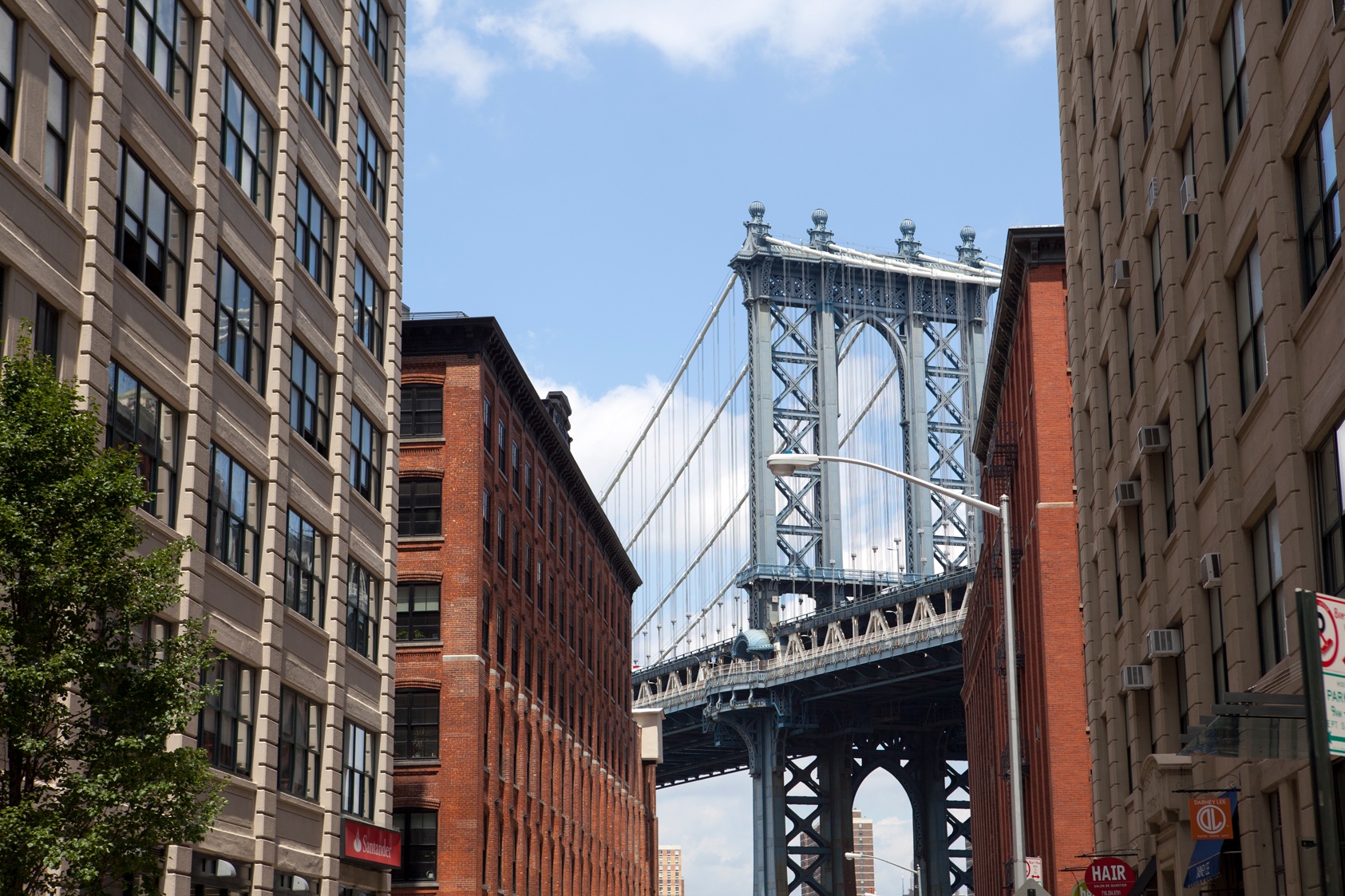
Flatlands is a walking place in the literal sense: low elevation, broad sidewalks, and a grid that invites wandering. But its appeal runs deeper than ease of movement. This is a city of layered livelihoods—former industrial strips reborn as creative hubs, row-house blocks where generations of families left subtle marks, and waterfront stretches where tide and commerce still shape the skyline. Walking tours here work at a human scale. They translate civic history into footsteps, turn bocce courts and corner bodegas into cultural waypoints, and make the ordinary feel like discovery.
A Flatlands walking tour is equal parts sensory and connective: the smell of frying dough from a family-run bakery, the clack of tram rails near the riverside, murals that trace recent waves of immigration, and sudden pockets of quiet parkland where birds outsing traffic. For travelers who prefer slow travel—those who want to understand how neighborhoods evolved rather than simply photograph them—walking is the truest way to learn. Guides, whether professional historians, artists, or local volunteers, tend to focus on narratives you’ll miss from a car: how zoning reshaped blocks, where seasonal markets gather, and how community gardens anchor social life.
Practically, Flatlands is well suited to a broad mix of walkers. Most tours are low-to-moderate effort, 60–180 minutes, and easily customizable for families, older adults, or travelers combining sightseeing with culinary stops. The flat terrain makes it accessible to wheelchairs and strollers on most main routes, though occasional uneven paving and construction zones can require a detour. Weather defines the tone more than the difficulty—sunny springs and crisp autumn days are ideal for lingering at outdoor stalls, while hot summers encourage early-morning starts and late-afternoon pauses for iced drinks. Winter walks are quieter and often reveal the city’s structural bones: cleared sidewalks, bare-limbed trees, and steaming kitchen vents that punctuate the cold.
Walking tours in Flatlands pair naturally with complementary activities: a riverside route that ends at a kayak launch, an arts-walk that dovetails with gallery openings and evening performances, or a food-focused tour designed around market schedules and coffee roasters. For planners, the key is tempo: build in stops for interpretation, local shopping, and restroom breaks, and allow time to pivot—stay longer at a museum or catch a sunset from a reclaimed pier. Whether you come for architecture, street food, or neighborhood lore, Flatlands rewards the deliberate pace of walking with intimacy and insight.