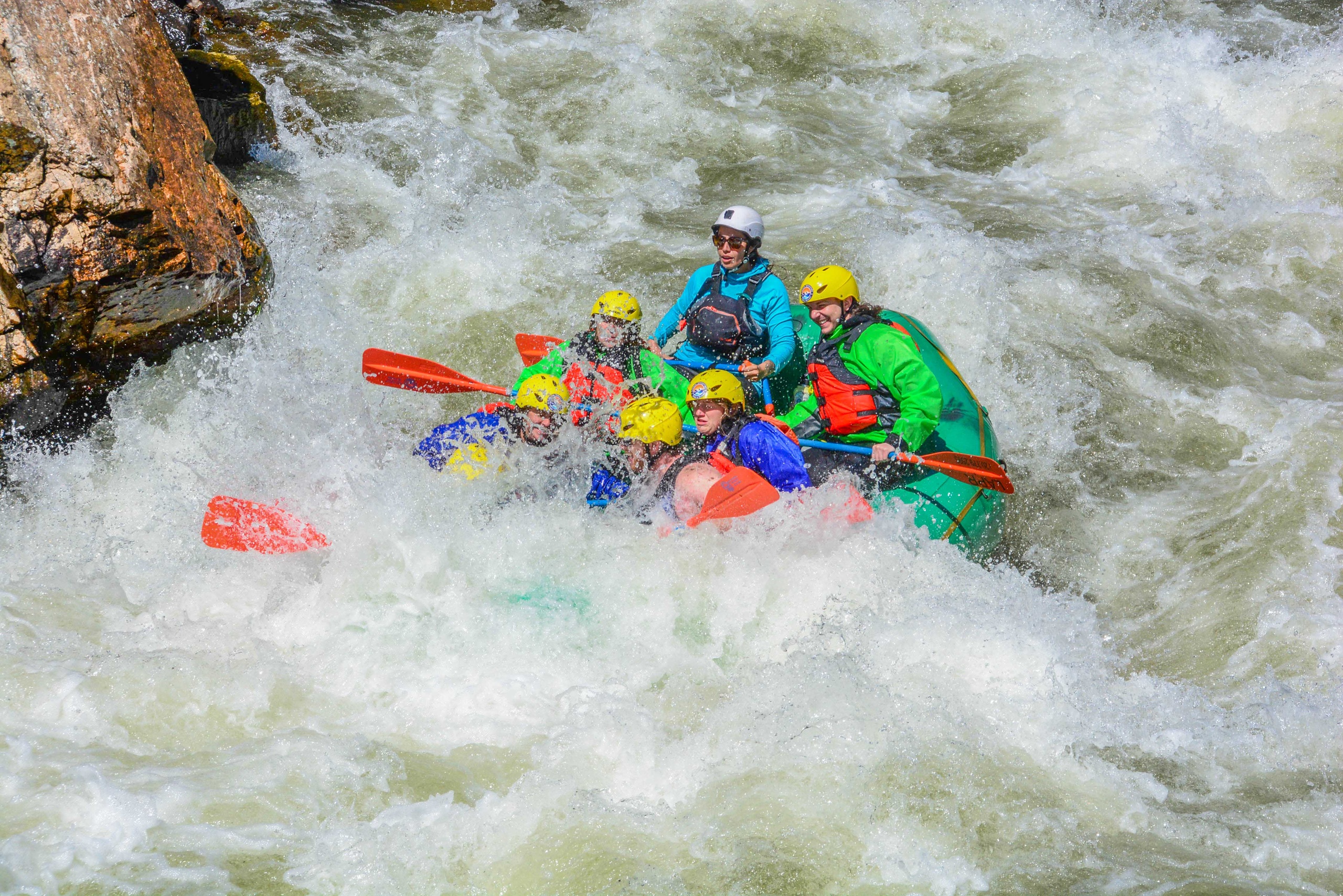
Fraser’s water is alpine-born: snowmelt that arrives late in spring and runs clear until the first freeze. That origin shapes everything for visitors—the volume of river flows, the crisp bite of reservoir winds, and the height of adrenaline on a guided rapids run nearby. What makes Fraser distinctive is scale and variety compressed into a small valley. Within a half-hour drive you can be glassing a trout-rich riffle on the Fraser River, launching a SUP from the broad bowl of Lake Granby, or pinning your helmet for commercial rapids on more technical stretches of the Colorado River and its tributaries. The result is a playground where low-key, family-friendly water days coexist with technical, guide-required outings, and where traveling anglers, paddlers, and floaters share a landscape that still feels uncrowded compared with more famous front-range reservoirs.
The seasonal pulse is clear: mid-June through September is the workhorse window for most water activities, when roads are clear, reservoirs are open, and rivers settle into predictable flows. June can be high and fast as snowmelt swells channels—excellent for guided rafting but not ideal for solo paddlers. By July and August flows moderate and weather is reliably warm, though mountain afternoons often bring lingering thunderstorms that demand flexible planning. Early fall narrows crowds and sharpens the light, creating some of the best low-angle mornings for casting and paddle-sport sessions. Winters convert the same water into a different playground—frozen expanses for ice fishing or silent ski loops—but those are outside the core “water sports” season.
Beyond logistics, Fraser’s water story is ecological and cultural. The river corridors thread wetlands and willow stands that support migratory birds and native fish populations. Local outfitters and guides emphasize stewardship and catch-and-release fly-fishing practices to protect these cold-water systems. Land use remains a mix of public forest, reservoir management, and private ranchland, so easy access depends on knowing trailheads and respecting seasonal closures. For travelers, that means the best days often come from combining an early morning float, an afternoon paddle on a quiet reservoir, and an evening spent on the riverbank watching alpine light fall across the valley—simple rituals that reveal the region’s slow, watery pulse.