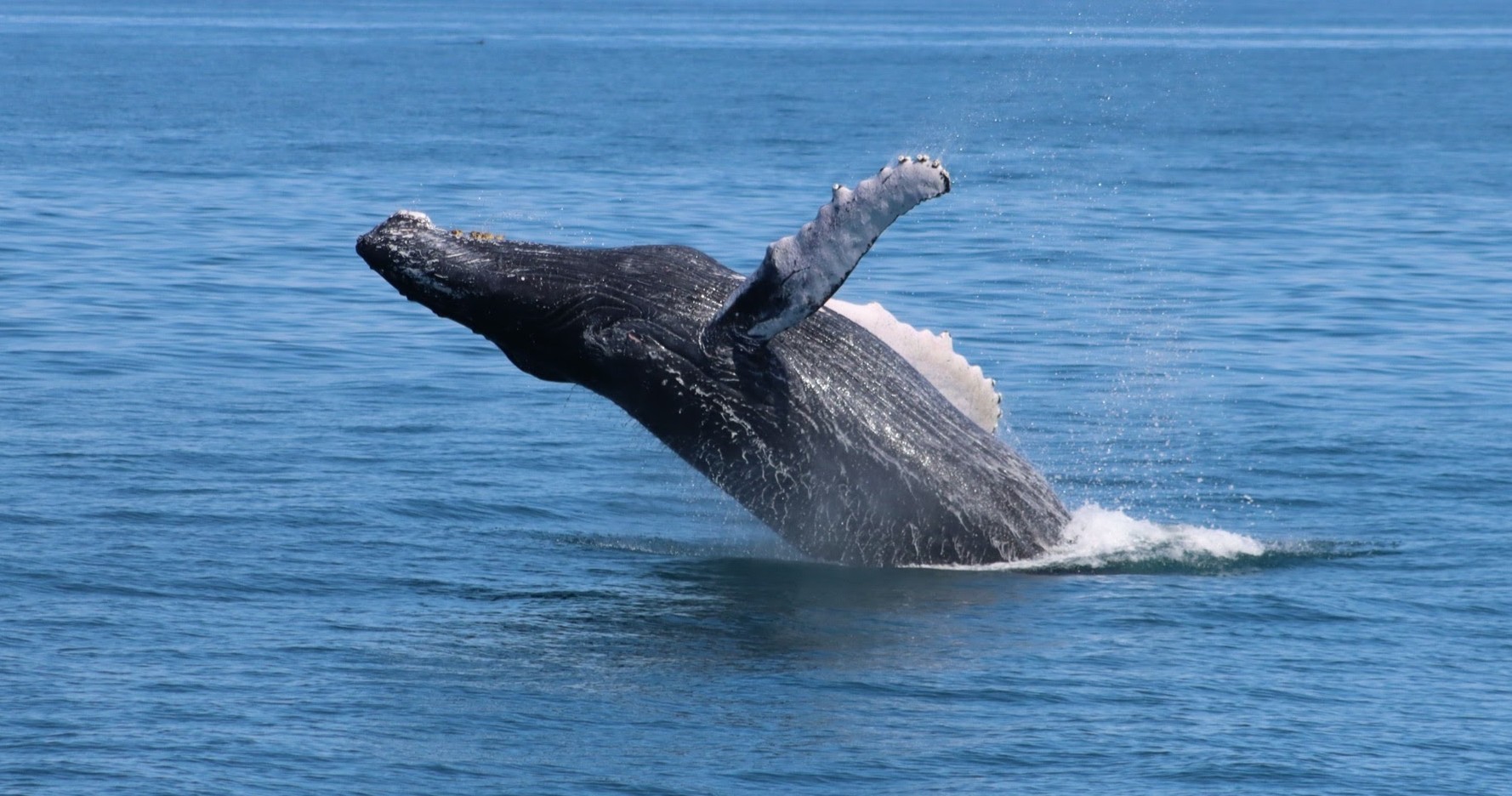
Greenwich sits at a quiet hinge of land and tide where the Maurice River and nearby creeks flush into Delaware Bay. That meeting of freshwater and salt builds an unusually productive nursery for fish and crustaceans—an inviting buffet for bottlenose dolphins moving along the coast. Unlike the high-energy, open-ocean displays of offshore tours, dolphin watching here is a study in coastal ecology: slow, close quarters, and often unexpectedly theatrical. You can watch adults shepherding calves through tidal channels, see bursts of activity where silversides and menhaden concentrate, and observe how dolphins use estuarine edges as hunting corridors.
This region has a working-water heritage: watermen, clammers, and small-scale fishers have read these tides for generations, and that local knowledge shapes responsible, small-boat approaches to wildlife viewing. The experience pairs natural history with human history—salt marsh dikes, old piers, and low-lying farms line the route, offering contrasting textures that feel more like a coastal memoir than a theme-park sighting. Because tours are often limited to smaller vessels or guided kayaks, encounters tend to be quieter and more observant, which benefits both the animals and those wanting a deeper connection to place.
Practical considerations steer the rhythm of visits. Tidal stages, calm mornings, and warmer months increase the likelihood of sightings, and operators will time departures accordingly. Weather can flip quickly along the bay—clear, glassy mornings can turn windy by afternoon—so most guides recommend early starts. For travelers who prefer land-based observation, low tide spits and barrier beaches provide vantage points for scanning nearshore channels, while guided paddle trips let you access narrow creeks where dolphins occasionally weave between submerged eelgrass beds.
Complementary activities naturally slot into a dolphin-centered itinerary: shorebirding on the mudflats, chartered fishing trips to understand local fisheries, and kayaking quiet tidal creeks to learn the marsh’s microhabitats. Above all, Greenwich’s dolphin scene is about modular, low-impact access—small groups, experienced skippers, and a seasonally tuned approach that privileges animal welfare and meaningful observation over spectacle.