THE ADVENTURE COLLECTIVE® · Independent discovery and booking for outdoor travel
Top 25 Snorkel Adventures in Hawi, Hawaii
Hawi Snorkel Guide

Top 25 Snorkel Adventures in Hawi, Hawaii

Perched at the northern tip of the Kohala coast, Hawi is a gateway town rather than a single snorkel beach — but within a short drive you find a mosaic of sheltered coves, ancient lava-formed reefs, and clear, fish-rich waters. Snorkelers who base themselves in Hawi use it as a calm, cultural hub before slipping into the sea along lee-side bays of the Kohala Coast. Expect dramatic shorelines, variable surf depending on season and trade winds, and marine life that ranges from colorful reef fish to occasional visiting turtles and schooling jacks.

North KohalaKohala CoastPololū Valley (nearby access)

Live destination inventory

Top Snorkel Trips in Hawi

25 trips · Book with confidence · Instant confirmation

About The Destination

Why Hawi Works as a Snorkel Base

Hawi is at once a small town of galleries, local markets, and wind-bent trees and a strategic base for exploring the Kohala Coast’s more sheltered snorkeling pockets. The town’s charm—old plantation-era buildings, a tight-knit community, and a slower pace of life—makes it an appealing launch point for days spent chasing glassy, fish-filled coves along the island’s leeward shoulders. Snorkeling from Hawi is less about a single iconic beach and more about options: short drives to protected bays, morning launches when the water is calmest, and guided excursions that thread into coastal reefs otherwise difficult to reach from the road.

Hawi sits on the island’s windward-north edge, so local conditions are shaped by trade winds and seasonal north swells. That dynamic means mornings are often the best window for clear conditions; by midday the trade winds can pick up, stirring the surface and pushing plankton and silt that reduce visibility. But on the lee side—down the Kohala Coast toward Puako, Mahukona, and Kawaihae—there are pockets where coral gardens and lava-formed reefs create natural protection. These sites support healthy reef fish populations and frequent honu (green sea turtles) visits. The volcanic geology also yields interesting shore-entry sites, with jagged lava formations that create tide pools and channels where life concentrates.

Culturally and historically, the coast around Hawi is layered. Ancient fishponds, old kahua (settlement sites), and historic harbors punctuate the shoreline; while most snorkelers focus on marine life, a short hike or stop at a cultural site can transform a simple swim into a fuller place-based day. Conservation matters here: the reef ecosystems are fragile, and local stewardship efforts emphasize reef-safe sunscreen, no-touch policies, and awareness of seasonal closures for turtle nesting and reef recovery. Choosing a small-group guide not only opens access to quieter coves but also supports local knowledge and protection efforts.

Practically, a snorkel trip from Hawi is a rhythm of early coffee, a short coastal drive, a careful gear check, and a mindful entry. Conditions vary by beach: some spots are sandy and straightforward for beginners, others demand careful navigation around rocks and currents that can run along points. For travelers who prize quiet mornings, cultural context, and a suite of nearby snorkeling options rather than a single beach, Hawi provides a thoughtful base — one that pairs well with coastal hikes, kayak outings, and evenings spent sampling local cuisine and storytelling.

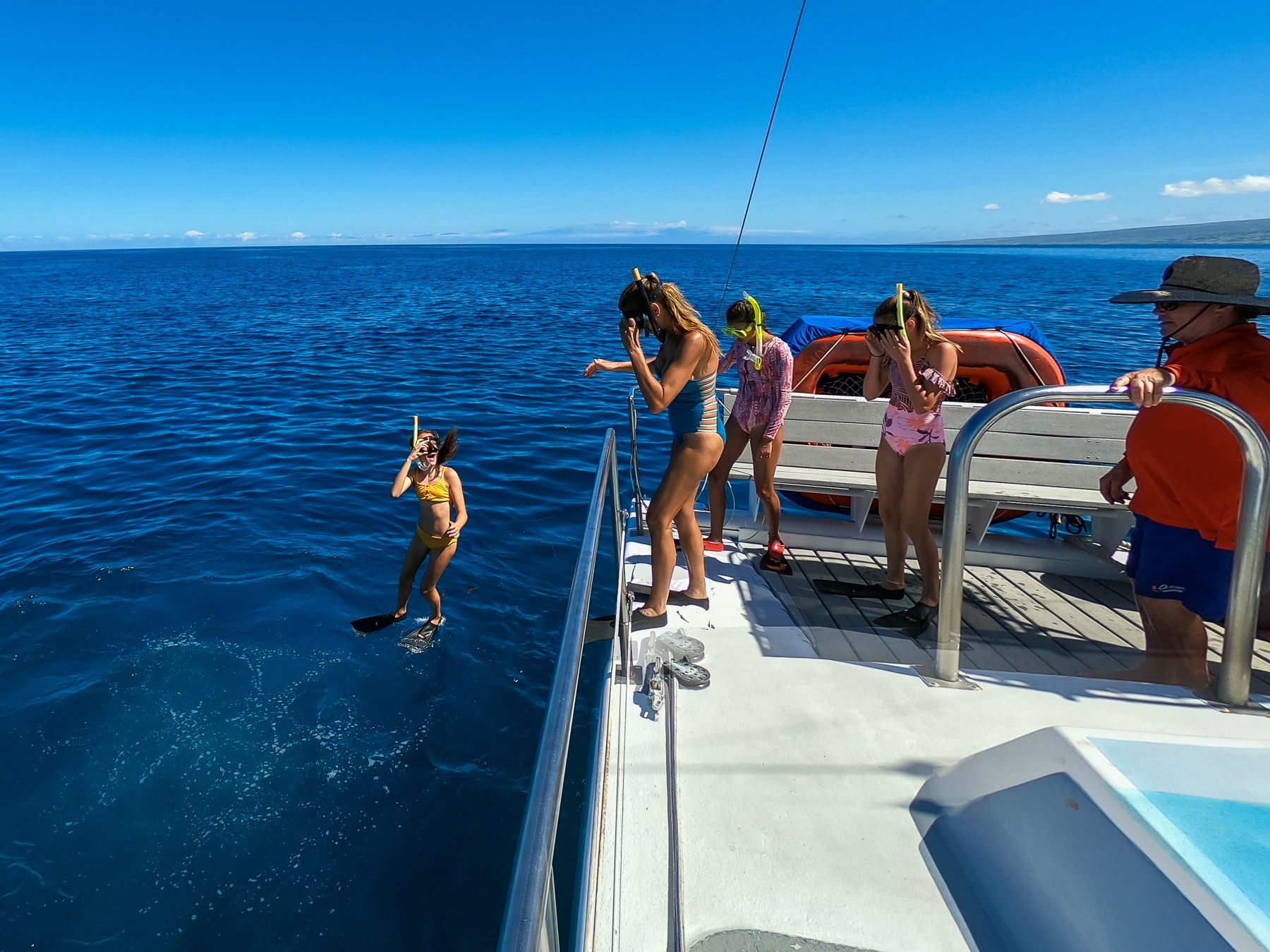
Mornings are prime: calm water and best visibility often arrive before onshore winds develop. Plan shore entries early and pack for midday wind shifts.

Local guides add value: they know micro-conditions, tide windows, and where to find sheltered coral gardens and turtle feeding zones.

Respect for reef ecology is central—use reef-safe sunscreen, keep distance from resting turtles, and never stand on coral. Many local operators brief visitors on low-impact snorkeling practices.

Key Highlights

•Activity focus: Shore-entry and small-boat snorkel access from Hawi
•Total featured experiences: 25 curated snorkel options within driving distance
•Typical visibility: Excellent in protected bays; variable near open points and after heavy rains
•Wildlife highlights: Reef fish, surgeonfish, butterflyfish, occasional green sea turtles
•Conditions to watch: Trade winds in afternoon, winter north swells on exposed north-facing coasts

Seasonal planning

Best Time to Visit

Spring through early fall typically brings calmer seas and clearer water along lee-side coves. Trade winds can strengthen in afternoon hours, especially from late spring into fall. Winter months often produce north swells that reduce visibility and make exposed beaches hazardous.

Top 25 Snorkel Adventures in Hawi, Hawaii
Seasonal Highlights

Peak Season: Late spring through summer offers the calmest water windows and highest visitation.

Recommended months: April, May, June, July, August, September, October

Peak season

Late spring through summer offers the calmest water windows and highest visitation.

High-demand period with peak activity schedules.

Best months

April – May – June – July – August – September – October

Optimal conditions for outdoor activities and tours.

Weather & conditions

Spring through early fall typically brings calmer seas and clearer water along lee-side coves. Trade winds can strengthen in afternoon hours, especially from late spring into fall. Winter months often produce north swells that reduce visibility and make exposed beaches hazardous.

Off-season & shoulder periods

Winter brings dramatic surf and different wildlife dynamics; experienced snorkelers and divers may find renewed species presence but should pick sheltered bays and heed local advice.

Match the trip to your comfort

Choose Your Experience Level

Introductory

Beginner

Short, shallow swims in protected coves with easy shore entries and minimal current. Ideal for families and new snorkelers.

  • Protected bay shallow reef snorkel
  • Guided family-friendly shore-entry tour
  • Turtle-spotting snorkel in a calm cove
Active outing

Intermediate

Longer swims along reef edges, brief surface swims around lava points, and guided small-boat drop-ins to reach slightly deeper gardens. Moderate fitness and comfort with open water required.

  • Point-to-point reef swims
  • Small-boat access to offshore coral gardens
  • Guided mixed-skill snorkeling with fish ID
Challenging / Technical

Advanced

Journeys to exposed points, swim-throughs near volcanic rock formations, and trips that require navigating currents or longer surface intervals. Recommended only with guides or strong open-water skills.

  • Long swim to offshore reef features
  • Current-affected point entries with experienced guide
  • Combine snorkeling with coastal SUP or kayak to reach remote pockets

Recommended Gear

What to Bring

Essential

Core items

  • Snorkel mask with a good seal (try on before arrival)
  • Fins sized for comfort (soft fins preferred for reef areas)
  • Rashguard or wetskin for sun and chafe protection
  • Reef-safe sunscreen (zinc-based) or sun-protective clothing
  • Water, snacks, and a small dry bag for gear
Recommended

Helpful extras

  • Mask defog and anti-leak tape if needed
  • Light floatation vest or snorkel vest for extended swims
  • Water shoes for rocky shore entries
  • GoPro or underwater camera with secure strap
  • Local tide chart or app and a quick weather check
Optional

Trip-specific

  • Mesh gear bag for wet equipment
  • Compact binoculars for shore-based spotting
  • Small notebook or phone to record fish IDs and conditions
Check conditions, respect cultural sites, and prioritize reef safety.

Insider Tips & Local Knowledge

Plan to snorkel early—mornings often reward you with glassy water and the best visibility. Talk to locals or outfitters about micro-conditions; a short drive around the headland often reveals a calm cove when other spots are blown out. Use reef-safe sunscreen and avoid standing on coral. If you see turtles or monk seals, keep a respectful distance and follow local rules: never approach or touch. When in doubt, hire a small-group guide—guides know safe entries, tide windows, and less-visited pockets where marine life congregates. Finally, pair snorkeling days with low-impact complementary activities: coastal hikes to lookouts for scouting conditions, paddleboard launches in protected lagoons, and visits to historic fishponds and cultural sites to round out the experience.

Planning questions

Frequently Asked Questions

No permits are required for day snorkel use of most public beaches, but certain protected areas or marine preserves may have specific rules or seasonal restrictions. Always check signage and local guidance before entering the water.
Top 25 Snorkel Adventures in Hawi, Hawaii
Ready for your snorkel adventure?

Browse 25 verified trips in Hawi.

Compare current availability and book with instant confirmation.

Explore Hawi snorkel trips →