
Hilo Fishing Guide
Top Fishing Adventures in Hilo, Hawaii
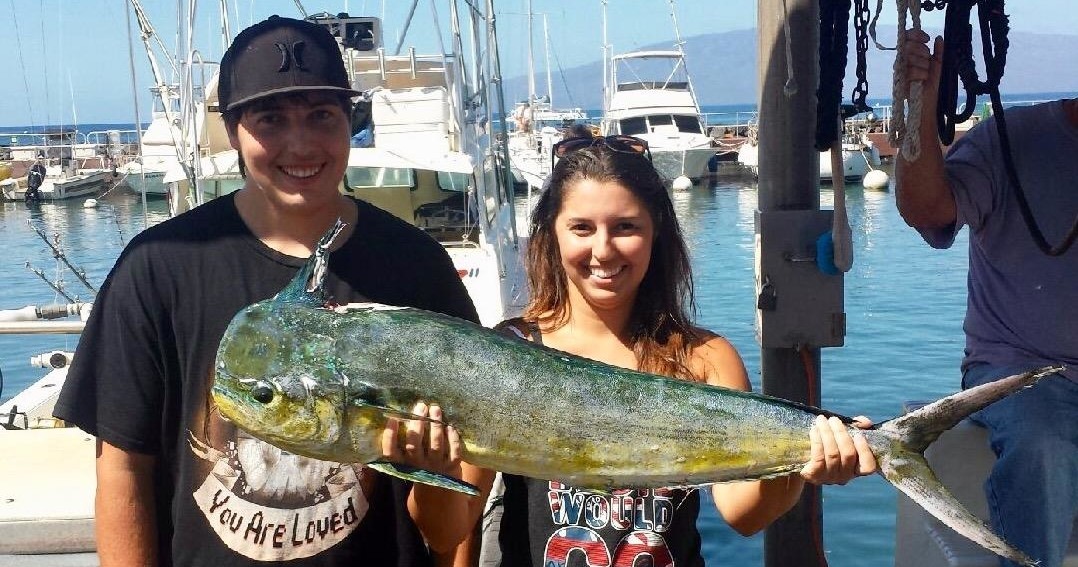
Hilo is where rainforest meets reef and anglers trade carved-oak ukulele songs for the call of the ocean. From reef and shore fishing in basalt coves to half- and full-day charters that hunt mahi-mahi and ahi on offshore thermal edges, Hilo offers a compact, varied fishing scene framed by constant, dramatic weather and deep Hawaiian cultural ties to the sea.
Hilo BayHilo HarborRichardson Ocean ParkCoconut Island (Moku Ola)Hakalau Bay