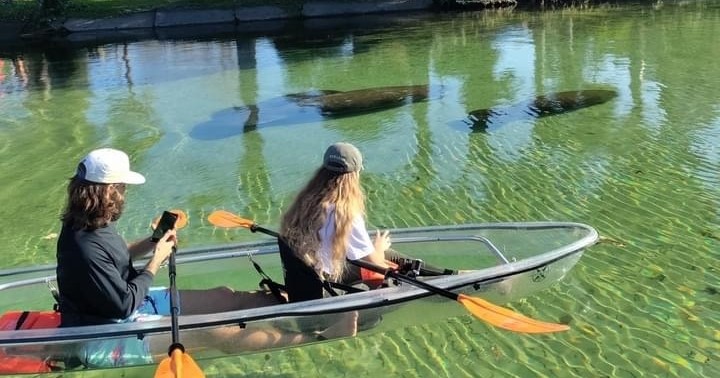
Hudson, on Florida’s western gulf coast, is a place where the tide writes the day’s itinerary. Paddle launches often begin from low-key public ramps and pocket beaches, then unfurl into a braided landscape of mangrove tunnels, shell-strewn flats, and open water that gleams like a salt-washed mirror. The region’s signature appeal for kayakers is intimacy: short approaches lead to secluded coves where the beach is seldom crowded, and where binoculars reveal flocks of sandpipers, distant roseate spoonbills, and the slow surfacing of a manatee feeding on seagrass.
This is coastal paddling that rewards quiet attention. On an incoming tide the current smooths the estuary; on an outgoing tide it scours channels that cut through the flats. The geography encourages a mix of outings—family-friendly bay loops that finish with a picnic on a barrier island, half-day transects along the Anclote River where small tributaries invite exploration, and more committed Gulf crossings to Anclote Key and its lighthouse when conditions allow. Each option offers a different rhythm: sheltered paddles for early-morning birdwatching, breezier open-water legs in the afternoon that require attention to wind and chop, and late-day estuary floats where the setting sun turns the mangroves into dark silhouettes.
Beyond the paddling itself, Hudson sits within a coastal culture shaped by fishing, small harbors, and a history of maritime navigation. Local boat ramps and guides lean practical rather than flashy—gear rental and guided eco-tours are available nearby, and seasonal events draw anglers and nature lovers alike. For travelers who like to layer experiences, kayak outings pair naturally with snorkeling shallow seagrass beds, paddleboarding the calmer channels, or beachcombing the sand spits of nearby islands. That blend of solitude, wildlife viewing, and accessible seaside exploration is what makes kayaking in Hudson feel both restorative and reliably adventurous.