THE ADVENTURE COLLECTIVE® · Independent discovery and booking for outdoor travel
Top 8 Photography Tours in Hull, Massachusetts
Hull Photography Tour Guide

Top 8 Photography Tours in Hull, Massachusetts

Hull is a compact spit of land that compresses an entire coastal photography curriculum into a few square miles: wide sandy beaches that take the sunrise like film, rocky intertidal ledges that demand slow shutter work, and a skyline-beside-the-sea perspective on Boston that is magnetic at dusk. Photography tours here run the gamut from gentle sunrise workshops on Nantasket to focused tide-pool and birding sorties that require timing, patience, and a keen eye for maritime light. The town’s flat geometry and coastal exposure make light and weather active collaborators—fog rolls in fast, wind scours the shore, and outgoing tides open compositions of exposed seaweed, boulders, and shipping lanes.

Nantasket BeachPemberton PointHull GutBoston Harbor Islands

Live destination inventory

Top Photography Tour Trips in Hull

8 trips · Book with confidence · Instant confirmation

About The Destination

Why Hull Is a Standout Destination for Photography Tours

Hull is a photographer’s concentration of coastal Massachusetts: a narrow, exposed landform that frames the Atlantic, the harbor, and the distant Boston skyline within a handful of reliable vantage points. On clear mornings, the spit’s low horizon offers long, horizontal light that flatters shorelines and reveals texture—wet sand after a receding tide becomes a mirror for sky, while sand ripples and tide channels create leading lines that reward low-angle compositions. At Pemberton Point and Point Allerton, the interplay between lighthouse architecture and maritime traffic lets photographers balance manmade anchors against constant, moving elements—boats, ferries, and gulls—producing images that feel both local and cinematic.

Beyond classical sunrise and sunset work, Hull’s compact geography makes it an ideal classroom for technical practice. Tide schedules are a central lesson: low water uncovers intertidal detail—barnacled rock, pools that hold sky, and foraging shorebirds—while high water compresses scenes into minimalist compositions where a single rock or buoy becomes a focal point. Weather is another teacher. Fog, mist, and northeastern storms create moody, high-contrast material; winter storm fronts deliver dramatic cloudscapes and aggressive light that read well in monochrome. Conversely, late-spring and summer provide migration windows for seabirds, calmer seas for long exposures, and evening light that softens the skyline toward gold and violet tones.

Tours here lean practical and nimble. Small-group morning workshops focus on composition, exposure technique for surf and motion, and working with local light; afternoon sessions often blend historical context—Hull’s maritime past, lifesaving stations, and shore defenses—with composition prompts that encourage participants to see beyond postcard angles. Boat-based excursions that berth near Boston Harbor Islands or trace the shipping channels add a different set of conditions: you’ll learn to stabilize on a moving platform, isolate subjects against distant urban planes, and photograph marine wildlife from respectful distances. For photographers who love variety in a short itinerary, Hull’s mix of beach, rock, harbor, and skyline is unusually efficient: in one morning you can shoot classic ocean dawns, pebbled foregrounds, and city silhouettes without long transfers or complicated logistics.

Practical realities matter: tides and footwear, sun and wind, public-access rules and private property lines. Ethical wildlife practices—keeping distance from nesting birds and avoiding trampling sensitive intertidal life—are part of any responsible tour. For those willing to learn the rhythm of the spit, Hull offers a high-return playground where every session sharpens both technical skill and the quieter craft of seeing coastal stories in light and texture.

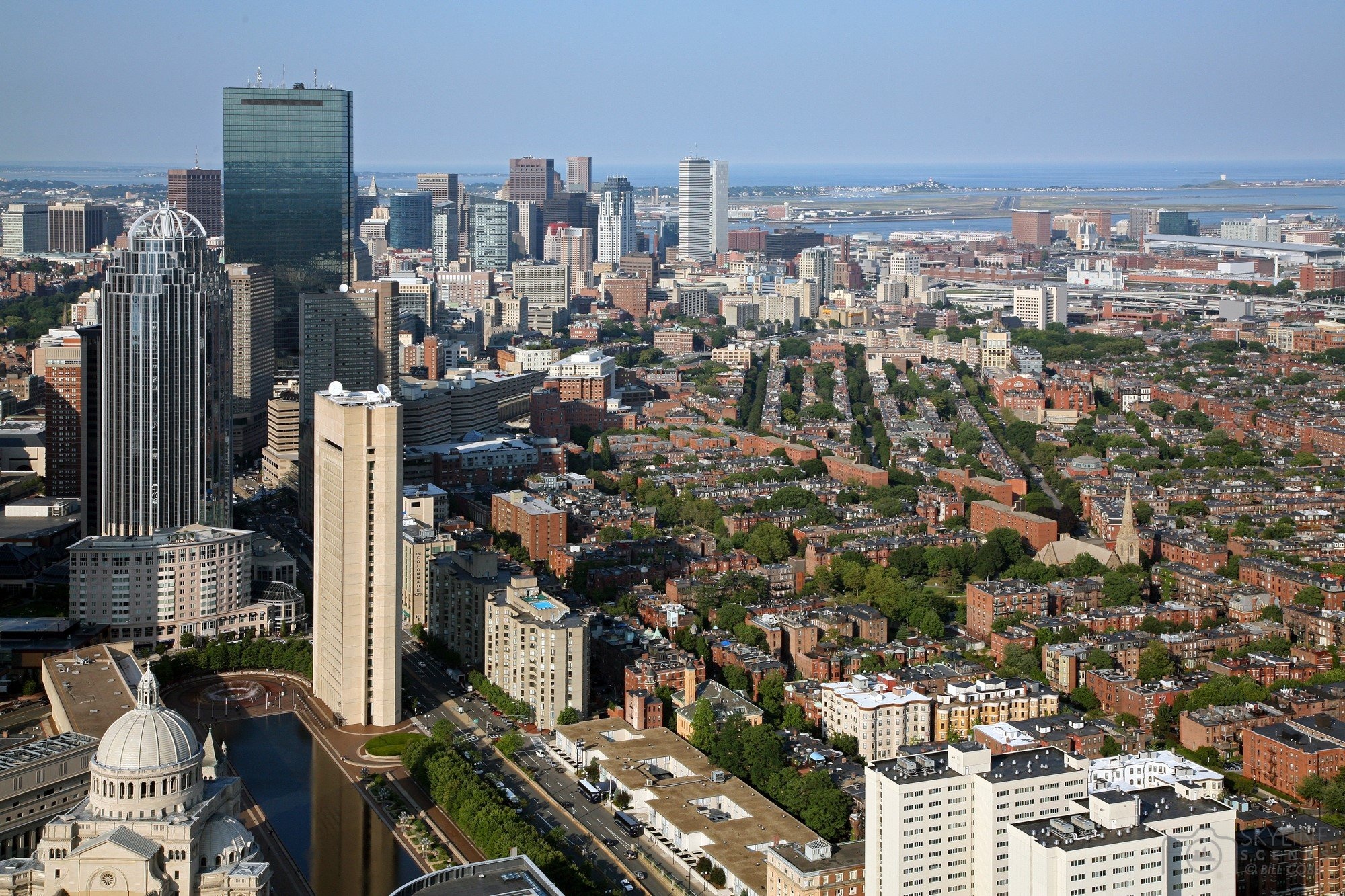
Compact variety: beaches, tide pools, ledges, and skyline views are reachable within short walks.

Light and timing shape success: dawn and dusk deliver the richest coastal palettes, while storms and fog offer dramatic alternatives.

Boat and island tours expand subject matter to seals, seabirds, and maritime traffic framed against Boston’s skyline.

Tours combine technical instruction—long exposure, bracketing for HDR, and telephoto birdwork—with local safety and ethical wildlife practices.

Key Highlights

•Activity focus: Guided and self-guided photography tours (land- and boat-based)
•Number of matching experiences: 8
•Top subjects: seascapes, tide-pools, lighthouses, seabirds, coastal architecture, Boston skyline
•Tide awareness is essential for intertidal and rock-shelf shoots
•Weather and wind frequently change composition and comfort

Seasonal planning

Best Time to Visit

Late spring through early fall provides milder temperatures, calmer seas, and migratory bird activity. Summer mornings can be foggy but clear quickly; late-season autumn offers crisp light and storm opportunities. Winter delivers dramatic skies and surf but colder, windier conditions.

Top 8 Photography Tours in Hull, Massachusetts
Seasonal Highlights

Peak Season: Summer weekends draw beachgoers; early morning sessions are busiest during tourist season.

Recommended months: May, June, September, October

Peak season

Summer weekends draw beachgoers; early morning sessions are busiest during tourist season.

High-demand period with peak activity schedules.

Best months

May – June – September – October

Optimal conditions for outdoor activities and tours.

Weather & conditions

Late spring through early fall provides milder temperatures, calmer seas, and migratory bird activity. Summer mornings can be foggy but clear quickly; late-season autumn offers crisp light and storm opportunities. Winter delivers dramatic skies and surf but colder, windier conditions.

Off-season & shoulder periods

Winter and stormy days provide distinctive, high-contrast seascapes and near-solitude for photographers willing to dress for cold and wind.

Match the trip to your comfort

Choose Your Experience Level

Introductory

Beginner

Introductory sessions focus on composition, basic exposure control, and safe shore-side shooting.

  • Sunrise composition workshop on Nantasket Beach
  • Simple lighthouse and harbor silhouette session
  • Basic long-exposure seascape tutorial
Active outing

Intermediate

Workshops introduce advanced exposure techniques, filter use, and approaching coastal wildlife responsibly.

  • Tide-pool detail and macro composition outing
  • Golden-hour skyline and silhouette shoot
  • Telephoto practice for local seabirds and distant shipping
Challenging / Technical

Advanced

Focused tours designed for experienced shooters: multi-stop itineraries, boat-based sessions, and storm or night-sky work.

  • Boat excursion to Boston Harbor Islands for wildlife and skyline sequences
  • Stormfront long-exposure seascape day
  • Pre-dawn to sunrise marathon covering multiple coastal vantage points

Recommended Gear

What to Bring

Essential

Core items

  • Camera body and at least two lenses (wide-angle 16–35mm plus telephoto 70–200mm or longer for wildlife)
  • Tripod with low-center stability for long exposures
  • Sturdy waterproof bag or dry-sack for gear
  • Spare batteries and memory cards (cold drains batteries quickly)
  • Tide chart and local timing app
  • Waterproof footwear or ankle-high boots with grip
  • Wind- and water-resistant layers
Recommended

Helpful extras

  • Neutral density and polarizing filters for long exposures and surf control
  • Lens cloths and silica gel packets to manage spray
  • Remote shutter release or intervalometer
  • Compression straps or rope to secure tripod on uneven ledges
  • Compact first-aid kit and basic navigation app
Optional

Trip-specific

  • Long telephoto (300mm+) for distant seabirds and harbor traffic
  • Waterproof phone case for behind-the-scenes content
  • Bean bag or ballast for stabilizing long lenses on rocks
  • Basic guide to local bird species for ID during tours
Check tides, watch for sneaker waves on exposed ledges, and respect wildlife and sensitive intertidal zones.

Insider Tips & Local Knowledge

Start early: dawn reduces crowds and delivers cleaner air and calmer winds for reflections. Carry a compact tarpaulin or towel to protect gear from spray and sand; silica gel in your camera bag will help with damp mornings. Learn to read the tide chart and plan for an hour of approach and setup—many of the best foregrounds reveal themselves as water pulls back. When shooting near seabird colonies or seal haul-outs, maintain distance and use longer lenses; disturbances can harm wildlife and violate regulations. For moody, dramatic skies, check offshore swell and wind forecasts—onshore wind gives texture to waves but increases spray. Finally, consider booking a small-boat tour with a guide for extended compositions that include the skyline and island backdrops; these trips teach camera technique on a moving platform and expand subject variety without long drives.

Planning questions

Frequently Asked Questions

For personal, non-commercial photography on public beaches and town-owned vantage points, permits are typically not required. Commercial shoots or organized group sessions on restricted properties may require permissions—check with local town offices or tour operators.
Top 8 Photography Tours in Hull, Massachusetts
Ready for your photography tour adventure?

Browse 8 verified trips in Hull.

Compare current availability and book with instant confirmation.

Explore Hull photography tour trips →