THE ADVENTURE COLLECTIVE® · Independent discovery and booking for outdoor travel
Top Photography Tours in Huntington Station, New York
Huntington Station Photography Tour Guide

Top Photography Tours in Huntington Station, New York

Huntington Station sits at the crossroads of suburban textures and coastal light—an approachable base for guided photography tours that balance townscapes, maritime shores, and migratory bird hotspots. Expect early-morning harbor reflections, Main Street details, salt-marsh panoramas, and short drives to nearby preserves that reward patient shooters with striking seasonal color and wildlife.

Huntington HarborCold Spring HarborLong Island North ShoreHuntington Village

Live destination inventory

Top Photography Tour Trips in Huntington Station

38 trips · Book with confidence · Instant confirmation

About The Destination

Why Huntington Station Makes a Compelling Base for Photography Tours

Huntington Station is an unexpected lens through which to explore Long Island’s photographic variety. Unlike isolated wilderness outposts, this neighborhood offers intimate access to contrasting subjects within short drives: salt-slick shorelines and quiet marinas sit a fifteen-minute ride from tree-lined residential streets, while historic storefronts and community events provide human-scale narratives that balance the natural scenes. For photographers who appreciate variety in a compact area, Huntington Station delivers a itinerary-friendly mix—sunrise over a harbor, midday detail shots along Main Street, and marshland birding during golden hour.

The seasonal rhythms here influence more than color palettes; tides and migration schedules shape the best local shoots. Spring and fall migrations animate the salt marshes and harbor edges with transient flocks and raptor pass-throughs, turning hummocks and mudflats into live-action canvases for telephoto work. Summer produces calm, mirror-like mornings ideal for long-exposure seascapes and editorial-style portraits against the harbor’s pilings. Winter’s stark light and bare branches make for graphic compositions and moody shoreline studies—solitude that skilled photographers can use to isolate structure and texture.

Beyond light and wildlife, Huntington Station’s accessibility is a practical advantage. The area is an easy rail or drive connection from New York City, so multi-day workshops, weekend intensives, and repeat visits are logistically simple. That accessibility also shapes the type of tours offered: half-day sunrise walks for casual shooters, afternoon composition clinics on Main Street, and full-day combination tours that pair a harbor sunrise with a midday visit to nearby Cold Spring Harbor for tidal and wooded scenes. Local guides combine compositional coaching with logistical know-how—tide charts, parking tips, and permission contacts—so participants spend more time making images and less time maneuvering through local rules.

Culturally, Huntington Station sits within a community that values public art, historic buildings, and waterfront access, which means photographers will find both classic landscapes and documentary opportunities in the same itinerary. Complementary activities—kayaking estuaries to reach secluded vantage points, birdwatching with local naturalists, or visiting galleries in Huntington Village—round out a photography tour, turning single-frame excursions into broader creative trips. Whether you’re chasing migratory birds, golden-hour reflections, or the quiet geometry of suburban New England–inspired streets, Huntington Station acts as a practical staging ground for crafted photographic experiences.

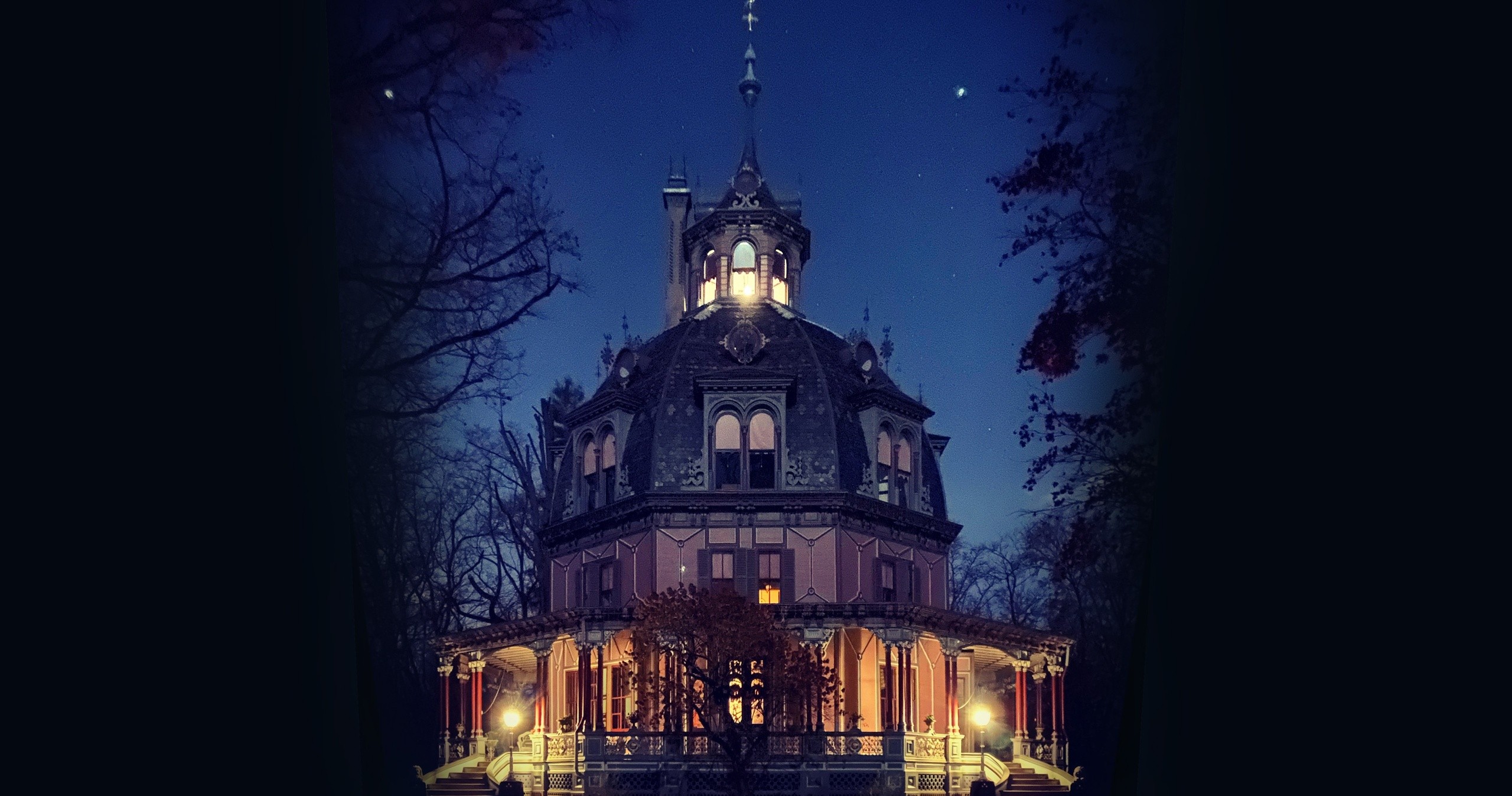
Guided photography tours here are pragmatic: expect route planning around tides and light, hands-on composition coaching, and short transits to maximize shooting time. Tours often combine wildlife telephoto work with landscape and urban detail sessions.

Because most shooting locations are on public land or easily reachable short walks from parking, tours are accessible to photographers with a range of mobility. Still, specific vantage points—boat-based or private shoreline—may require advance arrangements.

Key Highlights

•Activity focus: Guided and self-guided photography tours
•Total matching experiences: 38
•Accessible from NYC by car or commuter rail—good for weekend visits
•Tides and migration windows strongly affect the best shooting times
•Many tours combine wildlife, landscape, and townscape sessions

Seasonal planning

Best Time to Visit

Long Island weather brings warm, humid summers and cool, crisp springs and falls. Mornings near the water can be foggy in late spring; autumn offers the cleanest air and most reliable golden hours. Winter is colder and windier with occasional snow—useful for moody seascapes but less comfortable for long field sessions.

Top Photography Tours in Huntington Station, New York
Seasonal Highlights

Peak Season: Fall migration (September–November) and summer waterfront activity are the busiest periods for guided tours.

Recommended months: April, May, September, October, November

Peak season

Fall migration (September–November) and summer waterfront activity are the busiest periods for guided tours.

High-demand period with peak activity schedules.

Best months

April – May – September – October – November

Optimal conditions for outdoor activities and tours.

Weather & conditions

Long Island weather brings warm, humid summers and cool, crisp springs and falls. Mornings near the water can be foggy in late spring; autumn offers the cleanest air and most reliable golden hours. Winter is colder and windier with occasional snow—useful for moody seascapes but less comfortable for long field sessions.

Off-season & shoulder periods

Winter offers low visitor numbers and dramatic light for coastal compositions; spring’s early mornings can produce ethereal fog and migrating shorebirds with fewer crowds.

Match the trip to your comfort

Choose Your Experience Level

Introductory

Beginner

Introductory tours emphasize framing, exposure basics, and smartphone or entry-level camera techniques on easy, flat routes.

  • Sunrise harbor walk for reflection and silhouette shots
  • Main Street detail and storefront composition clinic
  • Short marsh-edge walk for seasonal bird and plant photography
Active outing

Intermediate

Mid-level tours layer technical skill-building—long exposures, graduated filters, and telephoto work—with slightly longer walks and tidal timing.

  • Golden-hour estuary shoot focusing on foreground composition
  • Tidal flats and shorebird telephoto session
  • Architectural and street photography session in nearby Huntington Village
Challenging / Technical

Advanced

Advanced workshops tackle low-light techniques, multi-stop itineraries, and specialized topics like astrophotography, drone composition, or mixed-media storytelling.

  • Pre-dawn long-exposure seascapes and star-field compositions
  • Multi-site tour combining harbor, marsh, and wooded scenes for portfolio building
  • Commercial-style portrait sessions using on-location natural light and modifiers

Recommended Gear

What to Bring

Essential

Core items

  • Camera body (or high-quality smartphone) and primary lens
  • Sturdy tripod for low-light and long-exposure shots
  • Telephoto lens (200–400mm or 70–200mm) for birds and harbor subjects
  • Polarizing and neutral-density filters
  • Multiple charged batteries and spare memory cards
  • Weatherproof camera cover or rain sleeve
  • Comfortable shoes and layered clothing for coastal breezes
Recommended

Helpful extras

  • Wide-angle lens for harbor panoramas and architecture
  • Lens cleaning kit and microfiber cloth
  • Portable reflector or small flash for portraits
  • Tide chart app and local map saved offline
  • Lightpack or daypack that keeps gear accessible
Optional

Trip-specific

  • Drone for aerial compositions (confirm local regulations and permissions)
  • Bean bag or small stool for low-angle shooting
  • Field guide for local birds if you plan wildlife sessions
  • Remote shutter release for long exposures
  • Waterproof boots for muddy marsh edges
Confirm tide times, parking restrictions, and any event closures before heading out; many great angles depend on timing and public access.

Insider Tips & Local Knowledge

Plan shoots around the tides—low tide exposes mudflats and bird habitat, while high tide changes shoreline composition and reflections. Golden hour is reliably photogenic; arrive 30–45 minutes early to scout angles. Use side streets or public lots for parking to avoid event congestion in peak months. If you plan to shoot from private docks or across marsh channels, ask for permission or join a tour that provides boat access. For bird photography, quiet movement and a long lens pay dividends; forshoreline seascapes, a solid tripod and ND filters let you smooth water and capture moody skies. Finally, local galleries and coffee shops in nearby Huntington Village are great spots to meet other photographers and preview community events that make compelling documentary subjects.

Planning questions

Frequently Asked Questions

Most casual photography from public parks, sidewalks, and marinas doesn’t require permits. Commercial shoots, drones, or setups that obstruct public access may require permits—confirm with town parks or state park offices beforehand.
Top Photography Tours in Huntington Station, New York
Ready for your photography tour adventure?

Browse 38 verified trips in Huntington Station.

Compare current availability and book with instant confirmation.

Explore Huntington Station photography tour trips →