THE ADVENTURE COLLECTIVE® · Independent discovery and booking for outdoor travel
Top 15 Whale Watching Adventures in Imperial Beach, California
Imperial Beach Whale Watch Guide

Top 15 Whale Watching Adventures in Imperial Beach, California

Imperial Beach sits at California’s southwestern edge where the shoreline points toward migrating giants. This guide focuses on whale-watching experiences that start from the sand, breakwater, and nearby launch points—shore-based spotting, nearshore cruises, and half- to full-day offshore trips. Expect close encounters during the gray whale migration in winter–spring and opportunistic blue and humpback sightings during warmer months. Practical tips, when to go, how to pack, and how to choose between a shore look and an ocean expedition are all included.

Southern California BightTijuana River EstuaryImperial Beach Pier

Live destination inventory

Top Whale Watch Trips in Imperial Beach

15 trips · Book with confidence · Instant confirmation

About The Destination

Why Imperial Beach Is a Standout Whale-Watching Spot

Imperial Beach occupies a unique seam of coast where the continental shelf bows, the Tijuana River estuary breathes life into coastal habitats, and the Pacific migration corridor tightens toward Baja. For whale watchers the place matters: geography and seasonal currents funnel migrating gray whales along the shoreline, producing long stretches where blow spouts and arching backs become part of the winter horizon. From a sand perch at the pier to a small-boat launch, the experience here balances accessibility with the visceral thrill of watching enormous marine mammals move with intent just beyond the surf.

But it’s not only about the whales themselves. Imperial Beach’s character—the low dunes, salt-grass flats, and the muted hum of cross-border commerce—gives encounters context. Shore-based watching is democratic: families, photographers, and people who prefer dry land can catch dignified, slow-moving passages without stepping on a deck. For those who want more, nearshore launches and day trips head into deeper water where humpbacks and other pelagic species show up in warmer months. Whether you choose the sand or the swell, the town’s small scale means less fuss getting to observation points, and enough local operators to match expectations from mellow interpretive cruises to purpose-built wildlife expeditions.

Environmental context also shapes the experience. The migratory patterns that gift us these sightings are tied to feeding and breeding cycles far south and far north; what you see in Imperial Beach is the result of complex oceanography and habitat health. Nearby estuarine wetlands and eelgrass beds support forage fish and invertebrates that in turn attract seabirds, sea lions, and the fish that whales chase—so a whale-watching day often doubles as a broader marine-naturalist outing. Practically, this means planning around weather and sea conditions matters. Winter brings the most reliable shore-parade of gray whales, but it can also bring brisk winds and raw mornings. Summer can offer glassy seas for offshore trips but requires more time and commitment to reach deep-water feeding hotspots.

All told, Imperial Beach offers a compact, layered whale-watching experience: accessible shore watching for quick encounters, focused nearshore trips for closer passes, and offshore options for species that prefer deeper water. The town’s proximity to San Diego’s maritime infrastructure also makes it a convenient springboard for longer expeditions, while retaining an intimate, local coastal vibe that rewards both casual visitors and dedicated naturalists.

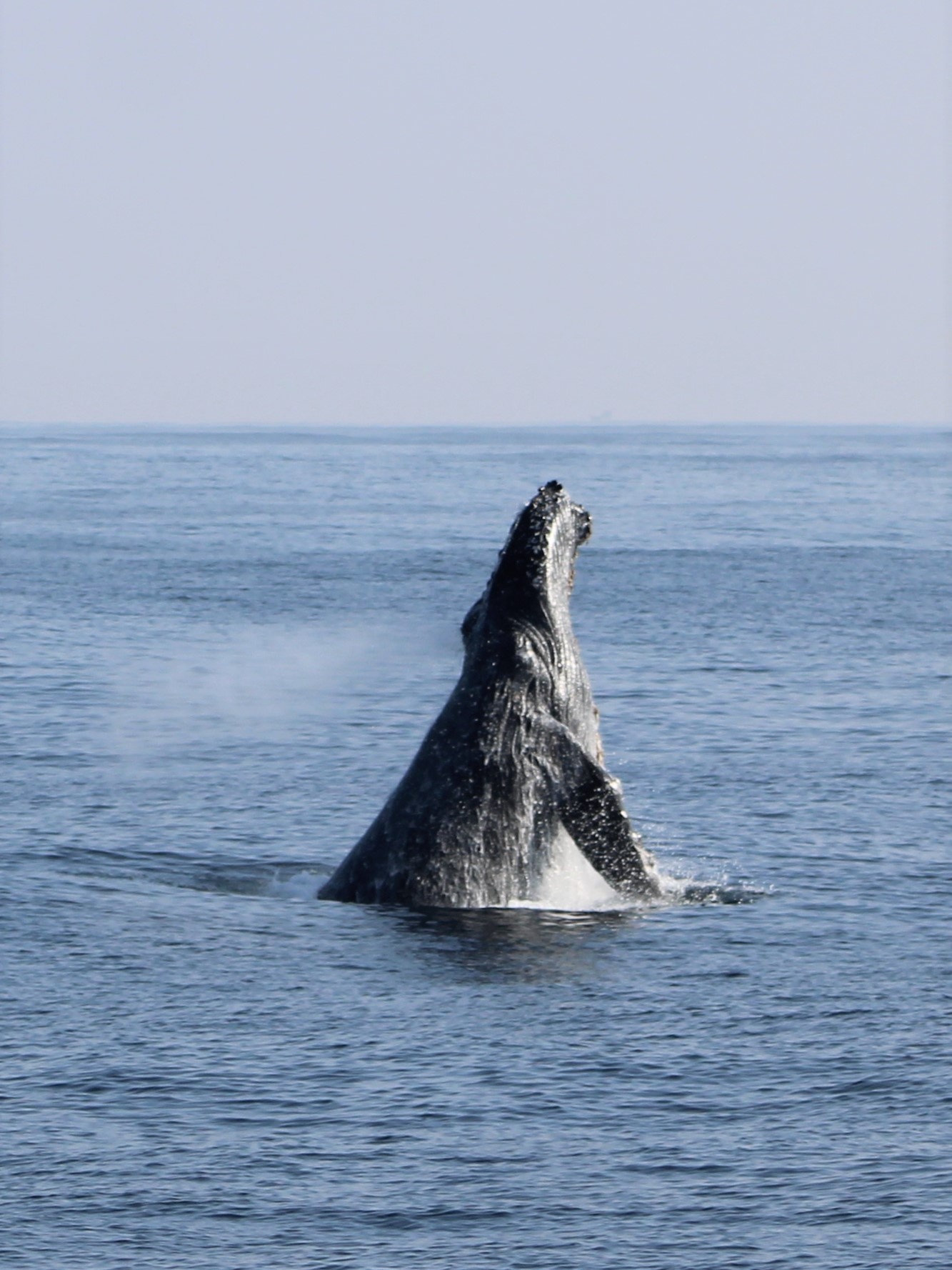
Geography funnels passage: the coast near Imperial Beach creates predictable lines for migrating gray whales, making winter–spring productive for shore sightings.

Shore-based watching is an easy, low-cost option—watch from the pier, beaches, and coastal bluffs with binoculars or a long lens.

Local operators offer a spectrum of trips: quick interpretive cruises, nearshore zodiac runs, and full-day vessels that push farther offshore for humpbacks and blue whales in warmer months.

Wildlife diversity is high: expect seabirds, dolphins, and pinnipeds on most outings; these animals often hint at nearby whale activity.

Key Highlights

•Activity focus: Whale-watching (shore-based and boat-based)
•Total matching experiences: 15 curated trips and operators
•Best shore visibility: clear winter mornings and calm spring days
•Common species: migrating gray whales (winter–spring); humpbacks and blue whales possible offshore in warmer months
•Accessibility: easy shore access; vessel trips vary by vessel and operator

Seasonal planning

Best Time to Visit

Winter and early spring bring the most consistent gray whale passage but can be windy and cool; dress in layers and be prepared for coastal fog. Summer and early fall typically offer calmer seas for offshore trips but may require longer transit times to reach deep-water species.

Top 15 Whale Watching Adventures in Imperial Beach, California
Seasonal Highlights

Peak Season: January–March sees peak gray whale migration activity alongshore.

Recommended months: December, January, February, March, April, May–October (offshore species, seasonally dependent)

Peak season

January–March sees peak gray whale migration activity alongshore.

High-demand period with peak activity schedules.

Best months

December – January – February – March – April – May–October (offshore species, seasonally dependent)

Optimal conditions for outdoor activities and tours.

Weather & conditions

Winter and early spring bring the most consistent gray whale passage but can be windy and cool; dress in layers and be prepared for coastal fog. Summer and early fall typically offer calmer seas for offshore trips but may require longer transit times to reach deep-water species.

Off-season & shoulder periods

Summer months provide the best chance for offshore species (humpbacks, blue whales) on full-day expeditions and are often calmer for family-friendly cruises.

Match the trip to your comfort

Choose Your Experience Level

Introductory

Beginner

Low-effort shore watching and short interpretive cruises ideal for families and casual observers. These options prioritize comfort and accessibility over deep-water searching.

  • Pier and beach whale spotting with binoculars
  • Short harbor or coastal interpretive cruise
  • Guided shore-watching with a naturalist
Active outing

Intermediate

Nearshore excursions or longer half-day trips that may get you closer to migrating whales; expect some wind and spray, and moderate motion at sea.

  • Nearshore zodiac or small-boat wildlife runs
  • Half-day whale-watching cruise
  • Combined dolphin and whale-watching trips
Challenging / Technical

Advanced

Full-day offshore expeditions that travel to feeding grounds where pelagic species (humpbacks, blues) are more likely. These trips require good sea tolerance, more time, and often offer in-depth naturalist commentary.

  • Full-day deep-water whale expedition
  • Photography-focused offshore charter
  • Scientific or citizen-science oriented surveys

Recommended Gear

What to Bring

Essential

Core items

  • Binoculars or a spotting scope
  • Warm, layered clothing (windproof shell and insulating layer)
  • Sea-sickness medication if you plan to board
  • Water, snacks, and sun protection
  • Camera with telephoto lens or a long zoom
Recommended

Helpful extras

  • Light packable chair or blanket for shore-watching
  • Waterproof jacket for spray on nearshore trips
  • Small dry bag for electronics
  • Field guide or app for marine mammal identification
Optional

Trip-specific

  • Teleconverter or long lens for dedicated photographers
  • Compact spotting scope for group shore watches
  • Polarized sunglasses for glare reduction on the water
Check local sighting reports, weather, and sea conditions before you go. Confirm cancellation policies with operators and arrive early for prime vantage points.

Insider Tips & Local Knowledge

Bring binoculars and a telephoto lens if you want detailed views. For shore-watching, set up near the pier or raised points above the beach for an unobstructed horizon. If you choose a boat, call ahead to ask about trip range, maximum passenger count, and whether the vessel has shelter and restrooms. Take sea-sickness medicine proactively if you’re prone to motion sickness and choose a larger boat for offshore comfort. Respect wildlife guidelines—maintain distance and follow your captain’s directions. Finally, layer up: mornings can be chilly and windy even on sunny days; a windproof shell and warm mid-layer make long watches comfortable.

Planning questions

Frequently Asked Questions

Yes—shore-based sightings of migrating gray whales are common during the winter–spring migration. Bring binoculars, watch the horizon for spouts and tail slaps, and consult local sighting reports to time your visit.
Top 15 Whale Watching Adventures in Imperial Beach, California
Ready for your whale watch adventure?

Browse 15 verified trips in Imperial Beach.

Compare current availability and book with instant confirmation.

Explore Imperial Beach whale watch trips →