THE ADVENTURE COLLECTIVE® · Independent discovery and booking for outdoor travel
Whale Watch Adventures in Kaloko, Hawaii
Kaloko Whale Watch Guide

Whale Watch Adventures in Kaloko, Hawaii

Kaloko's black-lava coastline and sheltered nearshore waters turn into a theater each winter as North Pacific humpback whales migrate to Hawaii to breed, calve, and sing. From quiet shoreline lookouts to small-boat outings into the deep-blue, whale watching here balances easy access with wild, intimate encounters. This guide focuses on how to maximize sightings, choose the right kind of trip, and pair whale watching with other Kona-coast experiences like snorkeling, coastal hikes, and cultural visits.

Kona CoastKaloko-Honokōwai ShorelineNearshore Pacific Habitat

Live destination inventory

Top Whale Watch Trips in Kaloko

60 trips · Book with confidence · Instant confirmation

About The Destination

Why Kaloko Is a Standout Whale-Watching Destination

Each winter the Pacific writes a familiar, enormous story along the Kona coast: humpback whales migrate thousands of miles from nutrient-rich northern feeding grounds to the warm, protected waters off the Big Island. In Kaloko, that migration meets a coastline of lava benches, tidal pools, and low cliffs that allow both shore-based and small-boat viewing with unusually close—but respectful—access. For travelers who want the electricity of a breach seen from a black-rock promontory or the low-key intimacy of a family-oriented boat crossing where mother-and-calf pairs mill in the swell, Kaloko offers both.

The whales that visit Hawaiian waters—kohola in Hawaiian tradition—carry cultural and ecological weight. Generations of islanders have woven the presence of humpbacks into stories, songs, and seasonal calendars; today, viewing them is as much an act of witness as it is recreation. The nearshore topography here, with deep channels not far offshore, concentrates singing males and courting groups close enough for hydrophones to pick up their complex, haunting songs. That proximity is why small naturalist-led trips and guided shore watches are particularly rewarding: you can be in earshot of whale song and in sight of choreography that ranges from lazy spy-hops to explosive breaches.

Practical conditions also favor Kaloko. Winter trade winds tend to lay down early in the day, so morning outings often find glassy seas and high visibility. The region's tour operators are experienced in reading marine behavior and local weather, and they run a spectrum of experiences—short interpretive cruises for families, rigid-hulled inflatables for photographers seeking action, and multi-hour charters for whale-watch aficionados who want extended time on the water. Shore-based options—park overlooks, beachheads, and quiet lava benches—are a low-cost alternative for those who prefer to keep their feet dry. Wherever you stand, federal regulations and local guidance keep the encounters safe for whales; vessels and visitors are required to observe approach-distance rules, and responsible operators prioritize mother-calf safety over showy displays.

Beyond the whales themselves, Kaloko is an efficient hub for layering marine adventures. A morning whale watch can easily bookend an afternoon snorkel with sea turtles, a night dive with manta rays further south, or a cultural walk through the Kaloko-Honokōwai historical park learning about ancient fishponds and coastal stewardship. The area’s compact scale—lodging, launch points, and coastal trails within short drives—makes it possible to plan focused half-day experiences that feel like full departures from routine. For photographers, naturalists, and families alike, Kaloko’s whale season is equal parts spectacle and quiet study: a time to see something immense and to learn how human choices shape the future of these giants.

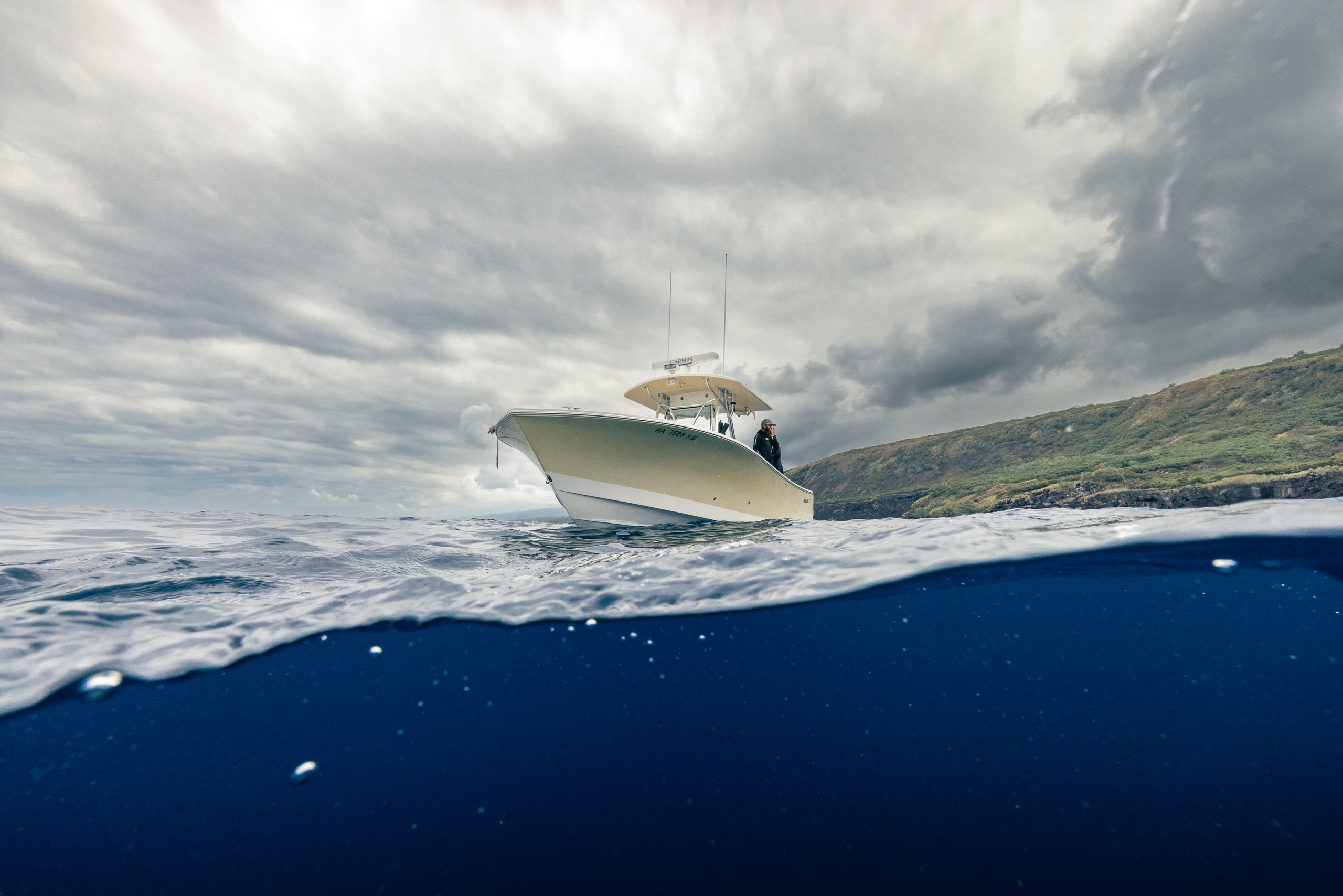
Kaloko's proximity to deepwater channels draws humpbacks close to shore, increasing sighting odds for both boat and shore watchers.

Morning trips are usually calmer and more productive; operators follow NOAA approach rules and prioritize noninvasive observation.

Key Highlights

•Activity focus: Seasonal humpback whale watching (shore-based and boat tours)
•Peak season: December through April, with highest concentrations Jan–Mar
•NOAA approach regulations and local best-practice guidelines protect mothers and calves
•Morning departures often offer the calmest seas and best visibility
•Combine whale watching with snorkeling, cultural sites, or manta-ray night dives for a full coastal itinerary

Seasonal planning

Best Time to Visit

Winters bring milder winds in the early morning and larger swells by afternoon. Expect sunny mornings and increasing trade winds through the day; seas are typically calmest at first light.

Whale Watch Adventures in Kaloko, Hawaii
Seasonal Highlights

Peak Season: 2026-01 to 2026-03

Recommended months: December, January, February, March, April

Peak season

2026-01 to 2026-03

High-demand period with peak activity schedules.

Best months

December – January – February – March – April

Optimal conditions for outdoor activities and tours.

Weather & conditions

Winters bring milder winds in the early morning and larger swells by afternoon. Expect sunny mornings and increasing trade winds through the day; seas are typically calmest at first light.

Off-season & shoulder periods

Summer months offer prime snorkeling, manta-ray night dives, and calmer open ocean conditions for other marine life watching, though humpback sightings are rare outside the migration window.

Match the trip to your comfort

Choose Your Experience Level

Introductory

Beginner

Easy, low-commitment options like shore watching and short interpretive cruises. Ideal for families, casual travelers, and first-time whale watchers.

  • Shore-based lookout at coastal benches
  • 1.5–2 hour family-friendly interpretive cruise
  • Short harbor departure with onboard naturalist
Active outing

Intermediate

Longer open-water trips and photography-focused outings that require tolerance for wind and swell. Good for travelers wanting extended viewing and guided natural-history interpretation.

  • Half-day rigid-hull inflatable whale watch
  • Photography-focused morning cruise
  • Combined whale-watch + snorkeling afternoon
Challenging / Technical

Advanced

Extended charters and research-style experiences for serious observers and photographers willing to venture farther offshore in variable conditions.

  • Multi-hour charter with extended on-water time
  • Citizen-science or research-assisted whale surveys
  • Dawn-to-noon photographic expedition

Recommended Gear

What to Bring

Essential

Core items

  • Light-weather layers and sun protection (hat, SPF, sunglasses)
  • Motion-sickness remedies if you’re prone to seasickness
  • Binoculars for shore-based watching
  • Reusable water bottle and light snacks
  • Camera with fast shutter or a smartphone with optical zoom
Recommended

Helpful extras

  • Compact rain shell or windbreaker for cooler mornings offshore
  • Lip balm and sunscreen with high SPF
  • Small dry bag for electronics on boat trips
  • Earbuds if you want to listen to on-board narration or hydrophone feed
Optional

Trip-specific

  • Polarized sunglasses to cut glare on the water
  • Portable power bank for longer days
  • Field guide or app for marine mammals and seabirds
  • Light binocular tripod or stabilizer for long-lens photography
Respect wildlife rules, choose experienced local operators, and plan for variable sea and wind conditions.

Insider Tips & Local Knowledge

Book morning trips for calmer seas and better viewing. Ask operators whether hydrophone listening is offered—hearing whale song transforms the experience. If you’re photographing, bring a lens with reach (200mm+) and practice panning; outriggers and choppy water can challenge focus. For shore watching, arrive before sunrise to snag a quiet vantage point and scan with binoculars. Always follow crew instructions; if whales show signs of disturbance, operators will move away. Combine a whale-watch with afternoon snorkeling, a visit to Kaloko-Honokōwai historical sites, or a sunset coastal walk to make the most of the Kona coastline.

Planning questions

Frequently Asked Questions

No general permit is required for recreational whale watching. Commercial operators are regulated and must follow NOAA approach and interaction guidelines; choose licensed operators who comply with local rules.
Whale Watch Adventures in Kaloko, Hawaii
Ready for your whale watch adventure?

Browse 60 verified trips in Kaloko.

Compare current availability and book with instant confirmation.

Explore Kaloko whale watch trips →