Kaneohe sits at a gentle crossroads between sea and steep green: shallow turquoise bays ringed by reef, a living grid of taro patches, mist-swept valleys, and the serrated Koʻolau Range rising like a sculpted backbone behind town. Photographers are drawn not only to the obvious postcard frames—Chinaman’s Hat offshore, a long glassy bay at dawn—but to the layered material culture and ecosystems that give those frames meaning. In Kaneohe a single half-day tour can yield shoreline reflections, portraits with native plants at Ho'omaluhia, low-light conditions under a banyan canopy, and dramatic aerial-like vistas from roadside overlooks. Light here is a character: long, warm mornings when the bay behaves like polished metal; squally afternoons that carve drama into mountain slopes; and evenings where trade-wind clouds unspool into bands of color.
The town’s human geography deepens the visual story. Heʻeia Fishpond—one of the largest remaining loko kuapā in Hawaiʻi—offers architectural lines and seasonal activity that play beautifully in wide-angle and telephoto frames alike, while taro farms and small-scale agriculture provide textured foregrounds against mountain silhouettes. Boat-based photography tours across Kaneohe Bay let shooters work with reflections, reef geometry, and the changing water color palette that depends on tide and sun angle. Inland, short guided walks to accessible waterfalls and garden sessions at Ho'omaluhia open opportunities for macro studies, long exposures, and environmental portraiture. Conservation-minded operators in Kaneohe weave cultural context into shoots, helping photographers respect sacred places and protected habitats.
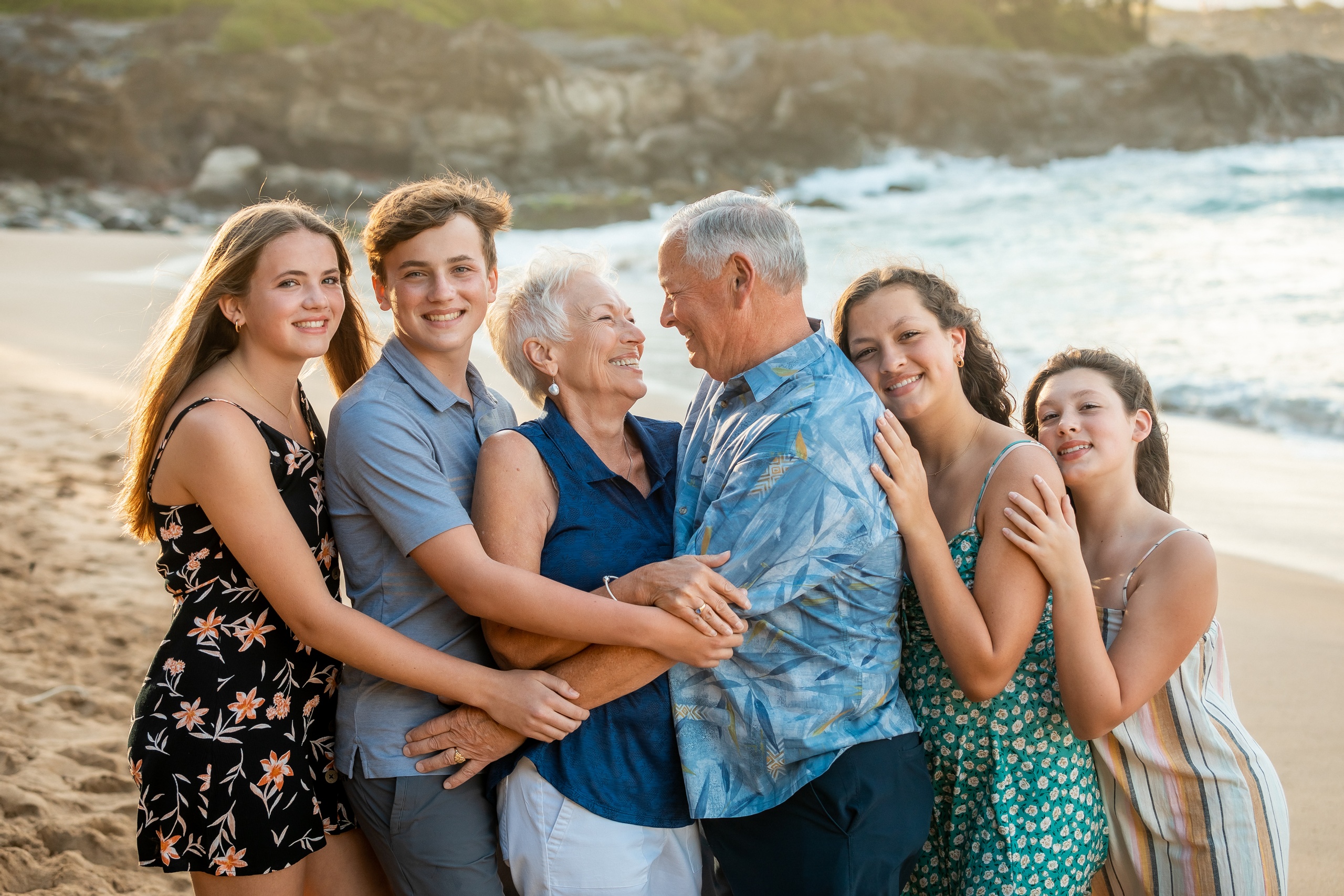
Beyond composition, Kaneohe’s accessibility sets it apart. It’s close enough to urban hubs on Oʻahu for day trips, but its coastline and valleys preserve a sense of calm—fewer massive tour buses, more small-group outings and private sessions tailored to lighting and subject. The region accommodates a wide range of photographic goals: family vacation keepsakes, landscape portfolios, underwater and drone work (subject to local regulations), and immersive cultural storytelling. For adventurous photographers who want to pair their lens work with complementary activities, Kaneohe also functions as a hub: kayaking and stand-up paddleboarding for waterline perspectives, short hikes into the Koʻolau for elevated vantage points, and boat charters that combine snorkel stops with sunrise shoots. The result is a compact, dynamic field studio where the island’s living systems and human history are as photogenic as the landscapes themselves.