THE ADVENTURE COLLECTIVE® · Independent discovery and booking for outdoor travel
Kapoho Bus Tours: Coastal Drives, Lava Country & Tidepool Stops
Kapoho Bus Tour Guide

Kapoho Bus Tours: Coastal Drives, Lava Country & Tidepool Stops

Bus tours in Kapoho offer a slow-roll, sensory approach to one of Hawaiʻi Island’s most elemental shorelines. From coastal panoramas and black-sand remnants to botanical patches and shoreline tidepools, guided drives let you absorb volcanic landscapes with expert context—without the logistical friction of navigating narrow coastal roads or hunting parking. This guide focuses on the bus-tour experience: what you’ll see, when to go, accessibility and terrain considerations, and how to choose an operator for the pace and interests you prefer.

Kapoho BayPuna CoastKapoho Tide Pools

Live destination inventory

Top Bus Tour Trips in Kapoho

8 trips · Book with confidence · Instant confirmation

About The Destination

Why Kapoho Bus Tours Matter

There’s a particular rhythm to seeing Kapoho from the window of a bus: the steady hum of the engine, the slow unfolding of coastline and scrub, and the guide’s voice knitting geology to culture, making sense of lava lines, agricultural terraces, and the fragile intertidal world. Bus tours transform what could be a stressful navigation problem—narrow coastal roads, changing access points, and limited parking—into a distilled, narrated route where every stop, overlook, and walk is curated to deliver maximum context in manageable segments. The value of guided drives in this part of Hawaiʻi Island is not just convenience; it’s storytelling. Drivers and naturalists translate volcanic timelines, explain how pōhaku (rocks) and ʻāina (land) inform kamaʻāina (local) life, and point out plants and shoreline features you would likely drive past when focused on directions.

On the practical side, Kapoho’s bus tours concentrate experiences that otherwise require time and coordination: short interpretive walks to tidepools, photo stops at coastal outlooks, and visits to botanical or agricultural sites that speak to Puna’s unique microclimates. Because much of the area’s interest arises from recent and historical lava flows, tours are tuned to current access and safety conditions—operators know which stretches are open for viewing and which require distance or alternative vantage points. That expertise matters for both safety and respect: bus tours reduce footprint by limiting repeated vehicle entries into fragile coastal roads and by organizing group movement at sensitive sites.

Beyond geology, guided drives are an efficient way to layer cultural meaning onto landscape. Local guides often weave Hawaiian place names, oral histories, and contemporary community perspectives into their narration, turning a scenic drive into a living lesson about stewardship, land use, and resilience. For travelers who want to combine the ease of a drive with the curiosity of a naturalist walk, bus tours offer approachable stops—short, guided strolls that require little gear but yield outsized impressions: a tidepool full of life at low tide; a lava shelf that reads like a frozen ocean; a stand of native coastal plants recovering in sheltered coves.

Practical visitors will appreciate the flexibility of tour formats: half-day coastal loops, full-day combinations that include neighboring attractions and light hikes, and private charters that let families or small groups tailor pacing. For photographers and nature watchers, timing matters—early light and low tides reveal different textures and species than midday visits—so many operators schedule departures accordingly. Ultimately, bus tours in Kapoho are about access and interpretation: they open the door to dramatic coastal landscapes while leaving the logistics and safety to people who know the roads, the rhythms of the sea, and the stories embedded in the land.

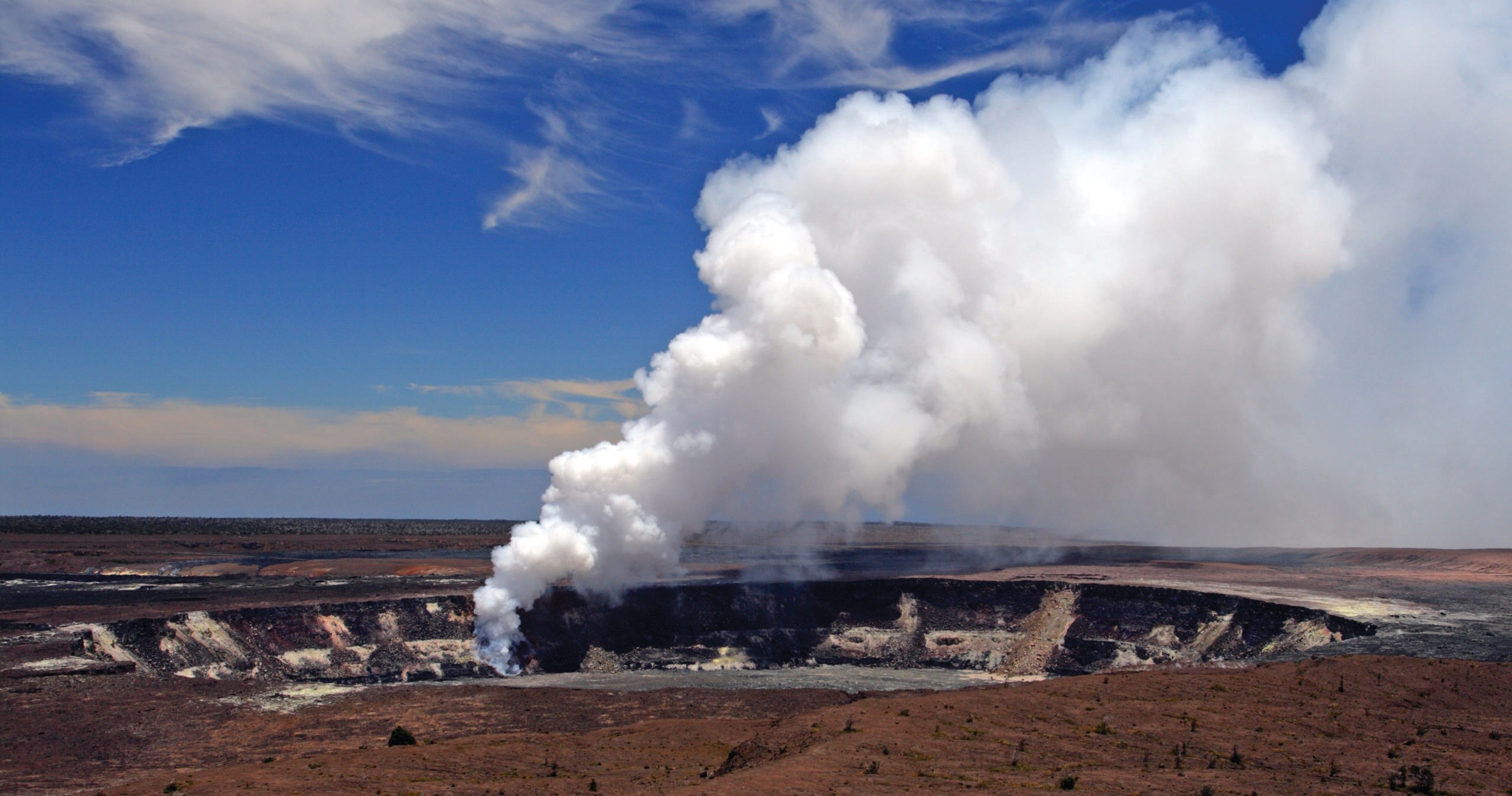
Guided bus tours condense local knowledge—geology, ecology, and cultural context—into a single curated route, making short visits feel complete and meaningful.

Tours reduce individual impact on fragile coastal zones and ensure stops are safe and legally accessible; operators adapt itineraries to road and tide conditions.

Key Highlights

•Activity focus: Guided scenic drives with interpretive stops
•Typical durations: half-day to full-day options
•Accessibility: many buses offer step-assisted boarding; on-stop walks vary in length and terrain
•Stops often include tidepool viewpoints, coastal overlooks, and short interpretive walks
•Weather and coastal access can alter planned routes—expect flexibility

Seasonal planning

Best Time to Visit

Kapoho’s coastal climate is warm year-round with frequent trade-wind breezes and localized showers. Volcanic haze (vog) can affect air quality depending on island activity; operators will note advisories. Morning departures often mean calmer seas at nearby coastal stops and lower mid-day temperatures.

Kapoho Bus Tours: Coastal Drives, Lava Country & Tidepool Stops
Seasonal Highlights

Peak Season: Winter holidays and summer prime vacation months typically see higher demand for guided tours; book ahead for weekends and holidays.

Recommended months: April, May, September, October

Peak season

Winter holidays and summer prime vacation months typically see higher demand for guided tours; book ahead for weekends and holidays.

High-demand period with peak activity schedules.

Best months

April – May – September – October

Optimal conditions for outdoor activities and tours.

Weather & conditions

Kapoho’s coastal climate is warm year-round with frequent trade-wind breezes and localized showers. Volcanic haze (vog) can affect air quality depending on island activity; operators will note advisories. Morning departures often mean calmer seas at nearby coastal stops and lower mid-day temperatures.

Off-season & shoulder periods

Weekday morning tours in shoulder seasons can offer smaller groups, softer light for photography, and more opportunities for intimate interpretive stops.

Match the trip to your comfort

Choose Your Experience Level

Introductory

Beginner

Easy-paced, narrated drives with minimal walking—ideal for travelers who prefer to see coastal highlights without much physical exertion.

  • Scenic coastal loop with multiple photo stops
  • Short guide-led tidepool viewing from stable vantage points
  • Half-day cultural & coastline overview
Active outing

Intermediate

Tours that combine driving with multiple short walks and optional short hikes—suitable for travelers comfortable on uneven ground for brief periods.

  • Full-day route with botanical garden visit and shore walks
  • Coastal tour timed for low tide tidepool exploration
  • Combined boat + bus options (where available) for varied perspectives
Challenging / Technical

Advanced

Custom or private charters that include more ambitious walking segments, remote viewpoints, or combined multi-activity days requiring higher fitness and mobility.

  • Private charter with guided hikes on lava formations
  • Extended naturalist tours focusing on geology and coastal ecology
  • Backroads access (subject to permits and road conditions)

Recommended Gear

What to Bring

Essential

Core items

  • Sun protection: hat, sunscreen, sunglasses
  • Reusable water bottle (operators may provide limited water)
  • Light layers for wind and coastal chill
  • Camera or smartphone with charged battery
  • Motion-sickness medication if you’re prone to car sickness
Recommended

Helpful extras

  • Sturdy shoes for short, uneven walks at stops
  • Small daypack for snacks and personal items
  • Binoculars for seabird and shoreline viewing
  • Portable charger
Optional

Trip-specific

  • Light rain shell for passing showers
  • Tide chart or app if you plan independent exploration before/after the tour
  • Notebook for quick field notes or sketching
Confirm routes and stops with your operator the morning of your tour—coastal access and tides change regularly.

Insider Tips & Local Knowledge

Ask guides about the local place names and the contemporary stories of people who live here; those layers transform landscapes into livelihoods. For photography, aim for early departures to catch soft light and lower crowds at popular tidepool overlooks; conversely, midafternoon light can highlight lava texture. If you’re sensitive to vog or have respiratory concerns, check current air-quality advisories before booking. Bring a small amount of cash for local vendors or tips—many small operations and roadside stands appreciate on-site support. Finally, respect posted signs and guide instructions at every stop; coastal rock and intertidal habitats are fragile and can be dangerous when waves surge.

Planning questions

Frequently Asked Questions

Most bus tours include short interpretive walks to viewpoints or tidepools; swimming is rarely part of standard itineraries and depends on operator offerings and safety/sea conditions.
Kapoho Bus Tours: Coastal Drives, Lava Country & Tidepool Stops
Ready for your bus tour adventure?

Browse 8 verified trips in Kapoho.

Compare current availability and book with instant confirmation.

Explore Kapoho bus tour trips →