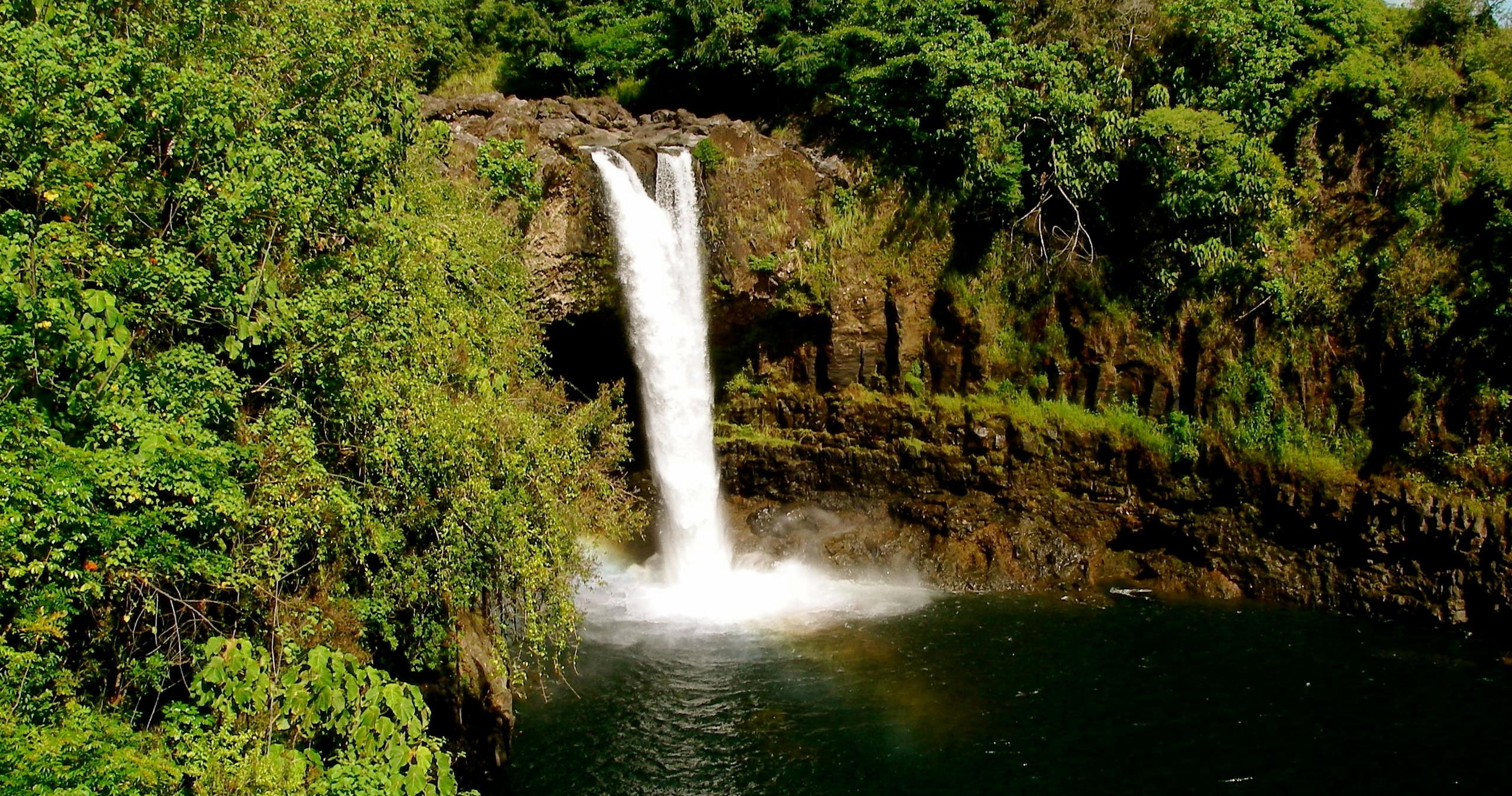
Keaʻau sits on the lush, rain-fed eastern flank of Hawai‘i Island, where a quick change in elevation turns coastal humidity into mossy ravines and towering tree canopies. Ziplines here are less about alpine exposure and more about intimacy with a living island—swooping past dripping ferns, low enough to glimpse an ‘ōhi‘a blossom one moment and high enough to read the ocean’s shiver on the next ridge. The island’s volcanic geology creates abrupt relief and natural corridors that operators have used to build runs with genuine vertical interest: long, suspended flights across gulches, short technical zips between volcanic outcrops, and tandem runs that give you a cinematic sense of speed and fall.
There’s also a cultural cadence woven into the canopy. Puna’s villages and plantations tell a story of land use and regeneration, and many outfitters emphasize stewardship and a low-footprint footprint approach while guiding. The wet microclimates around Keaʻau are both a blessing and a planning variable—rain helps make the forests vibrantly green and alive with birdsong, but it also turns trails slick and can alter launch conditions. That duality is part of the appeal: ziplines here are rarely static photo ops; they are weather-laced, sensory experiences that change by the hour.
For travelers, Keaʻau is an ideal base for combining ziplines with short, complementary outings: a guided waterfall hike through native forest, a quick visit to a botanical garden to learn about endemic plants you just skimmed past, or a coastal roadside stop to feel the trade winds after a morning of canopy runs. Many visitors appreciate that ziplines in this area lean toward half-day touring—enough adrenaline for a morning or afternoon, then time left to explore Hilo’s museums, farmers’ markets, and lava-sculpted shorelines. Whether you’re a first-time flyer or a canopy junkie, Keaʻau’s mix of terrain, climate and cultural context creates zipline runs that feel rooted in place—wild, verdant, and ineffably Hawaiian.