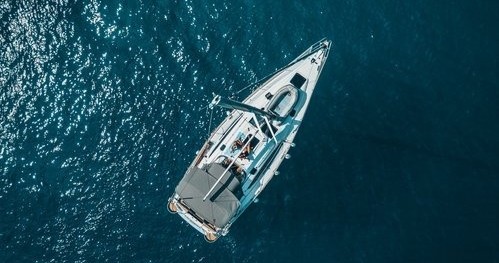
On a clear morning in Kit Carson, the ocean appears to be writing and erasing a hundred little notes—sudden silver flashes, the soft hollow whump of an exhalation, the wake of a pod cutting a blue line across the bay. Dolphin encounters here are rarely posed spectacles; they are improvisations, intimate and unpredictable. The coastal shelf off Kit Carson is a mosaic of kelp beds, sandbars, and rocky points that funnels baitfish and krill, and where prey gathers, curious dolphins often follow. That ecological choreography is what makes this place compelling for travelers: the landscape and seascape combine to create repeated, quiet opportunities to witness intelligent marine life behaving on its own terms.
This is not a guide about chasing photos at any cost. It’s a manual for thoughtful presence—how to pick a morning with glassy water, how to read surf and seabird behavior as signposts for activity, and how to choose operators and modes of travel that reduce stress on the animals. Kit Carson’s dolphin offerings range from accessible shorewatch spots—headlands and low cliffs with binocular-friendly sightlines—to more involved small-boat tours that hug the nearshore contour and limit crowding. For those seeking a more intimate approach, sit-on-top kayak outings and guided paddle trips let you share the water with passing pods at a respectful distance, though these come with stronger physical demands and an emphasis on operator experience and safety.
Culturally, the coastline has been part of local fisheries and seaside communities for generations—so conversations about sustainable viewing often overlap with broader dialogues about marine stewardship, fishing practices, and habitat protection. Guides in Kit Carson commonly double as marine interpreters, explaining how seasonal upwelling, water temperature, and even moon phase can influence where dolphins will be found. Complementary adventures—tidepool explorations, seabird walks, and whale-watching charters—fit naturally into a dolphin-focused itinerary and give context to the broader marine ecosystem.
Practically speaking, the best encounters happen when sea conditions are calm and early light flattens the water. Avoiding peak tourist hours improves the experience for everyone—less engine noise, fewer duplicate passes, and more room for natural behavior. Whether you arrive geared for a polished photo charter or a slow, contemplative shoreline watch, Kit Carson rewards patience: dolphin encounters here are less about spectacle and more about learning to read the water and listening to the small, precise rhythms of coastal life.