THE ADVENTURE COLLECTIVE® · Independent discovery and booking for outdoor travel
Top 31 Snorkel Adventures in Koloa, Hawaii
Koloa Snorkel Guide

Top 31 Snorkel Adventures in Koloa, Hawaii

A compact stretch of Kauai’s sunny south shore, Koloa punches well above its weight for snorkelers. Fringed by protected coves, shallow reefs, and calm lagoons, the area is ideal for quick shore-entry sessions and guided boat trips that slip into clearer water offshore. Expect colorful reef fish, turtles, and seasonal manta or dolphin sightings on deeper outings. This guide focuses on snorkeling-specific terrain, timing, and logistics so you can choose the right cove or charter for your skill and weather window.

Poipu BeachKoloa TownKipu Kai / Kipu BeachShipwreck Beach

Live destination inventory

Top Snorkel Trips in Koloa

31 trips · Book with confidence · Instant confirmation

About The Destination

Why Koloa Is a Standout Snorkel Destination

Koloa sits on Kauai’s southern shore where the island’s trade-wind pattern and a string of coral outcrops create a patchwork of sheltered snorkeling sites. Unlike the pounding north shore that dominates postcard imagery, Koloa’s coast—Poipu in particular—offers easy, repeated access to living reef in shallow water. That means longer, more comfortable swims and a higher chance of up-close encounters with green sea turtles, angel fish, surgeonfish, and the dazzling parades of reef wrasse.

The reef systems here are varied. Some coves open into flat, shallow gardens studded with branching coral and pockets of sand, inviting beginners and families to float above dense schools of small fish. A short paddle or boat ride away, deeper slopes and ledges host larger reef dwellers and, in winter months, pelagic visitors riding the swell. The clarity of the water changes with seasons and weather—trade winds and swell direction influence visibility and roughness—so an afternoon that feels glassy in one cove might be choppy down the road. That variability is part of the appeal: Koloa rewards local knowledge and a few simple decisions—tide timing, launch point, and whether to join a guided charter—with rich marine diversity and repeatable experiences.

Culturally, the south shore’s small towns and sugarcane history fold into the snorkeling experience. Historic Koloa has always been a working landscape where shoreline access is woven with local use, so etiquette and low-impact practices matter. Many excellent snorkel sites are next to family-run beaches, small resorts, or neighborhood parks. Respecting parking, limiting noise, and leaving no trace keeps both the reefs and local communities resilient. Environmentally, coral health is fragile: warmer water events and runoff can stress reefs, so choosing responsible operators who follow reef-safe sunscreen and buoyancy practices helps protect what you came to see.

Practically, Koloa is convenient. From the town center and most resorts it’s a short drive to several top sites—Poipu Beach Park, Lawa’i Bay, and the protected pockets along the Kipu coastline. That means you can plan short morning swims before crowds and heat build, or combine snorkel sorties with hikes, surf lessons, or a sunset stroll along Shipwreck Beach. For travelers who want a progressive day, mix a morning shore snorkel with an afternoon boat trip to deeper reefs or a guided marine-education charter that focuses on identification, culture, and conservation. The accessibility, biodiversity, and approachable water conditions make Koloa especially well-suited for families, snorkel-curious travelers, and seasoned visitors seeking repeatable dives without the logistics of a long boat transfer.

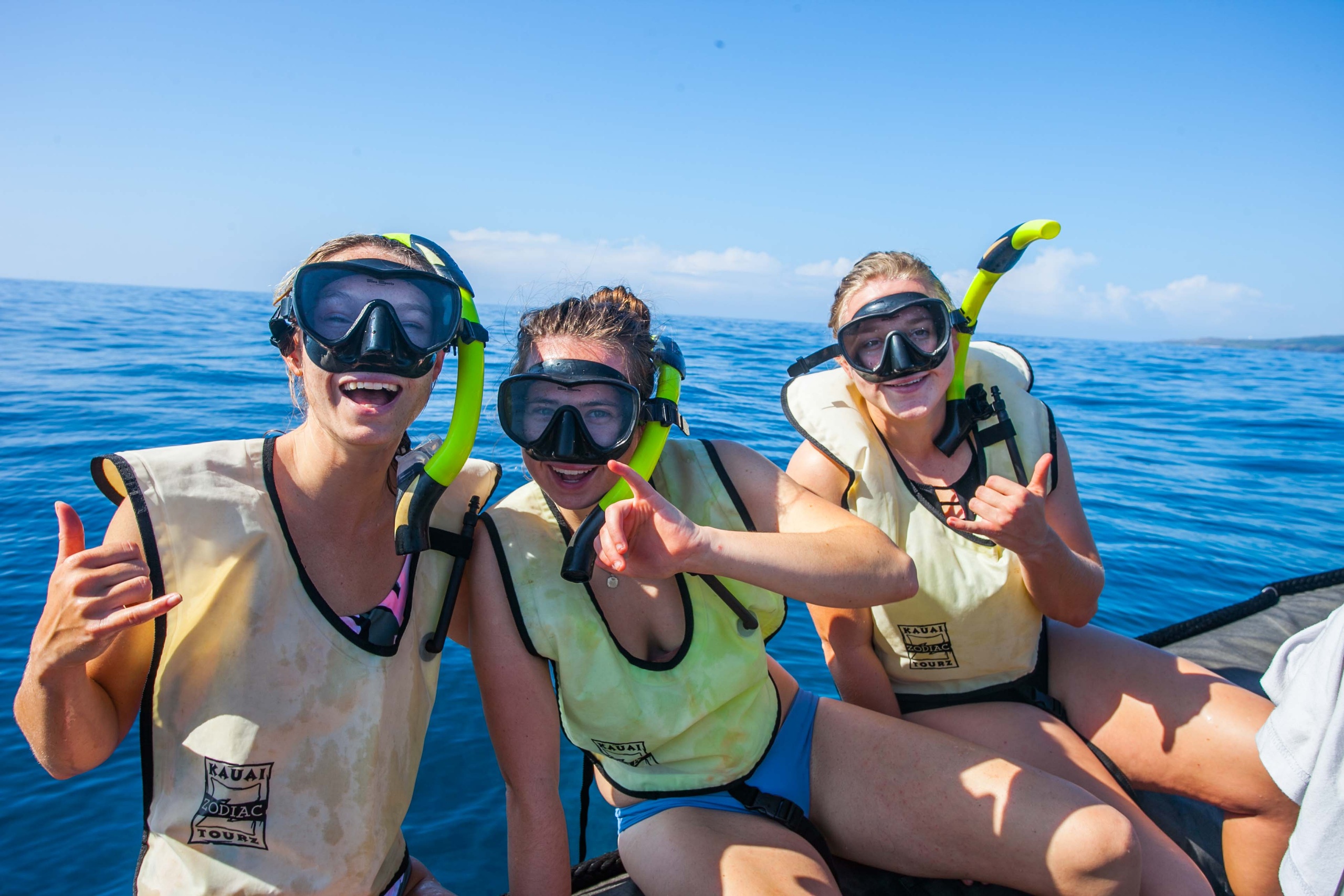
Snorkel site variety is the draw: sheltered tidal pools and reef flats for beginners, deeper ledges and boat-access sites for experienced snorkelers, and night snorkeling opportunities offered by some operators.

Local culture and conservation are tightly linked—respect for ʻāina (land/sea), reef-safe practices, and using licensed guides helps maintain access and reef health for future visitors.

Key Highlights

•Activity focus: Shore and small-boat snorkeling
•31 curated snorkel experiences in the Koloa area
•Best water clarity typically in spring–fall; winter swells can reduce access on exposed shorelines
•Common sightings: green sea turtles (honu), reef fish, octopus, and seasonal spinner dolphins
•Shallow reef gardens make many sites beginner-friendly; some sites require a short swim or paddle

Seasonal planning

Best Time to Visit

Spring through early fall usually brings calmer seas and better visibility. Winter months (November–March) can produce larger north and northwest swells that affect some south-shore entries; check local surf forecasts and choose sheltered coves on rough days.

Top 31 Snorkel Adventures in Koloa, Hawaii
Seasonal Highlights

Peak Season: Summer and early fall are busiest for family snorkeling and guided charters.

Recommended months: April, May, June, July, August, September, October

Peak season

Summer and early fall are busiest for family snorkeling and guided charters.

High-demand period with peak activity schedules.

Best months

April – May – June – July – August – September – October

Optimal conditions for outdoor activities and tours.

Weather & conditions

Spring through early fall usually brings calmer seas and better visibility. Winter months (November–March) can produce larger north and northwest swells that affect some south-shore entries; check local surf forecasts and choose sheltered coves on rough days.

Off-season & shoulder periods

Winter weekdays can offer quieter beaches and opportunities to spot large pelagic visitors on boat trips—just be prepared for variable seas and occasional closures.

Match the trip to your comfort

Choose Your Experience Level

Introductory

Beginner

Short shore entries into sheltered reef flats and calm coves with shallow water and easy exits. Ideal for families and first-time snorkelers.

  • Floating above Poipu Beach reef garden
  • Shallow snorkel at a protected lagoon
  • Guided short-course instruction focused on gear and breathing
Active outing

Intermediate

Longer swims to reef edges, moderate currents, and boat drop-offs that require confident swimming and basic navigation skills.

  • Paddle-out to a nearby reef ledge for more fish diversity
  • Half-day boat trips with multiple snorkel stops
  • Snorkel-and-hike combination along coastal trails
Challenging / Technical

Advanced

Deeper reef slopes, drift snorkeling with current, and night snorkeling or boat-accessed outer reefs that demand experience, a guide, and strong situational awareness.

  • Drift snorkel along a reef edge with a guide
  • Night snorkel with bioluminescence or nocturnal species
  • Offshore snorkel via charter to deeper reef formations

Recommended Gear

What to Bring

Essential

Core items

  • Mask and snorkel (well-fitting—preventing leaks matters more than brand)
  • Rashguard or wetsuit top for sun and chafe protection
  • Reef-safe sunscreen (apply before entry) or sun shirt
  • Water shoes or reef booties for rocky entries
  • Towel and quick-dry cover-up
Recommended

Helpful extras

  • Light fins for better control and reduced effort
  • Float or surface marker for visibility (especially when snorkeling from a beach near boat traffic)
  • Snorkel vest for longer floats or lower-confidence swimmers
  • Dry bag for phone, keys, and snacks
Optional

Trip-specific

  • Underwater camera or action camera with floating strap
  • Small mesh bag for collecting non-biological debris if you plan to clean up
  • Binoculars for shore-based marine spotting before entering the water
Check local surf and tide reports, respect posted signage, and prioritize reef-safe practices to protect marine life.

Insider Tips & Local Knowledge

Arrive early—mornings tend to have calmer seas and fewer people. Ask local lifeguards or park rangers about recent conditions and the best entry points; subtle differences in wind and swell can make one cove preferable over another. Use a buddy system and surface marker buoy on busier beaches. Avoid touching or standing on coral; if you want close photos, let fish approach you slowly rather than reaching. If you’re booking a charter, choose operators who brief on reef safety, provide gear fitting, and follow marine stewardship guidelines. Finally, plan for variable parking and bring small cash or contactless payment—some neighborhood lots and park meters are enforced. Simple choices—reef-safe sunscreen, careful entries, and considerate behavior—keep Koloa’s reefs healthy for everyone.

Planning questions

Frequently Asked Questions

No—many sites like Poipu Beach Park are accessible from shore and suit self-guided snorkelers. Guided tours are recommended for boat-access sites, night snorkeling, or for those who want interpretation and extra safety.
Top 31 Snorkel Adventures in Koloa, Hawaii
Ready for your snorkel adventure?

Browse 31 verified trips in Koloa.

Compare current availability and book with instant confirmation.

Explore Koloa snorkel trips →