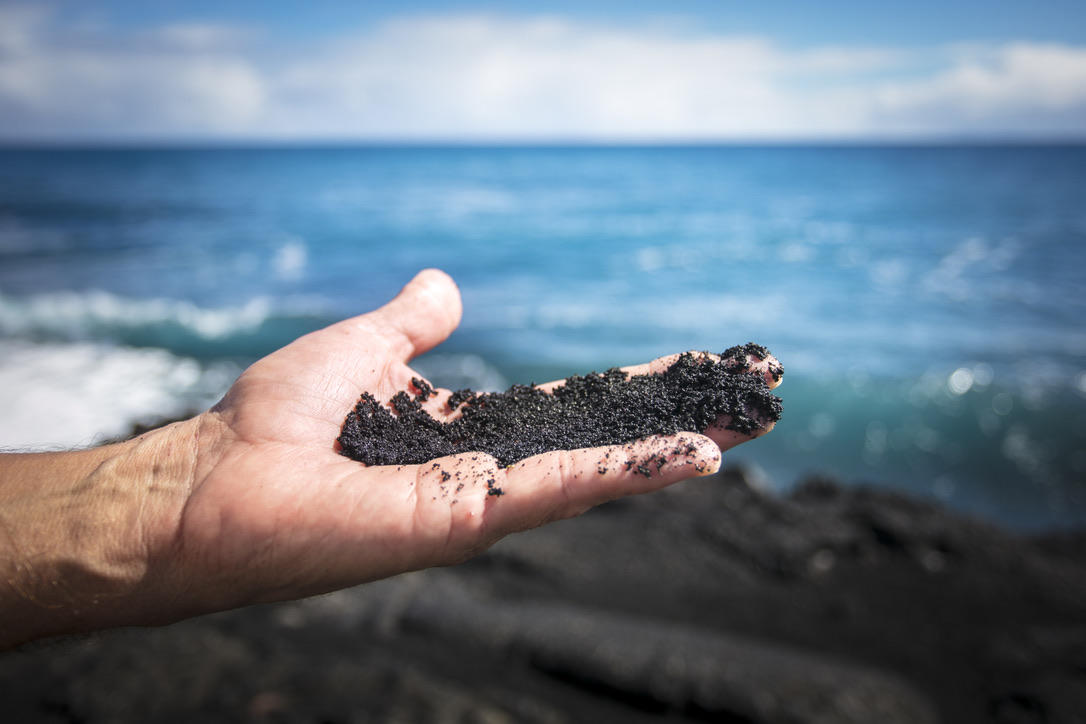
Laupāhoehoe’s shoreline is an almost cinematic interplay of black lava, sculpted cliffs, and pockets of coral reef that run like ribs into the Pacific. For anglers, that landscape translates to a concentration of microhabitats—sandy cuts and tide pools for cast-and-walk anglers, fringing reefs rich with jacks and reef triggerfish, and rapidly deepening seabeds a short boat ride offshore where pelagics thread migratory routes. The place feels built around patience: fishermen and women watch the water for swell lines and floating kelp, read the offshore color for current breaks, and time their casts to tide swings. There’s an intimacy to fishing here—you’re frequently within earshot of trickling waves and the distant rumble of surf hitting basalt, and the fish you pull up often tell a clear story about the local oceanography.
Culturally, Laupāhoehoe sits within a Hawaiian tradition of communal fishing and stewardship that predates modern tackle. The ahupuaʻa land-division system and the practice of loko iʻa (traditional fishponds) underline a relationship with the sea that blends subsistence, ceremony, and care. Modern visiting anglers will notice signs of that history in place names, small harbors, and the quiet reverence locals show toward certain nearshore areas. Responsible visitors are encouraged to approach the water with curiosity and respect—ask before fishing from private shoreline, learn which species are protected, and consider how your catch fits into local practices.
Technically, Laupāhoehoe is a good training ground for varied fishing methods. Shore anglers challenge themselves on jagged, uneven lava; kayak anglers learn to read current seams close to reefs; and small-boat operators exploit nearby drop-offs where sport fish move through seasonally. Weather and swell shape opportunity here in obvious ways: summer trade winds tend to lay water flatter and open prime windows for launching, while winter north swell makes parts of the coast dangerous or inaccessible. That variability rewards planning and local knowledge—talk to a charter operator or bait shop to lock in the day’s likely bite. Environmentally, the waters around Laupāhoehoe contain both fragile coral habitats and high-energy feeding grounds; anglers who practice careful hook handling, avoid damaging gear on reef, and adhere to local regulations help ensure the same lines can be cast by future generations.