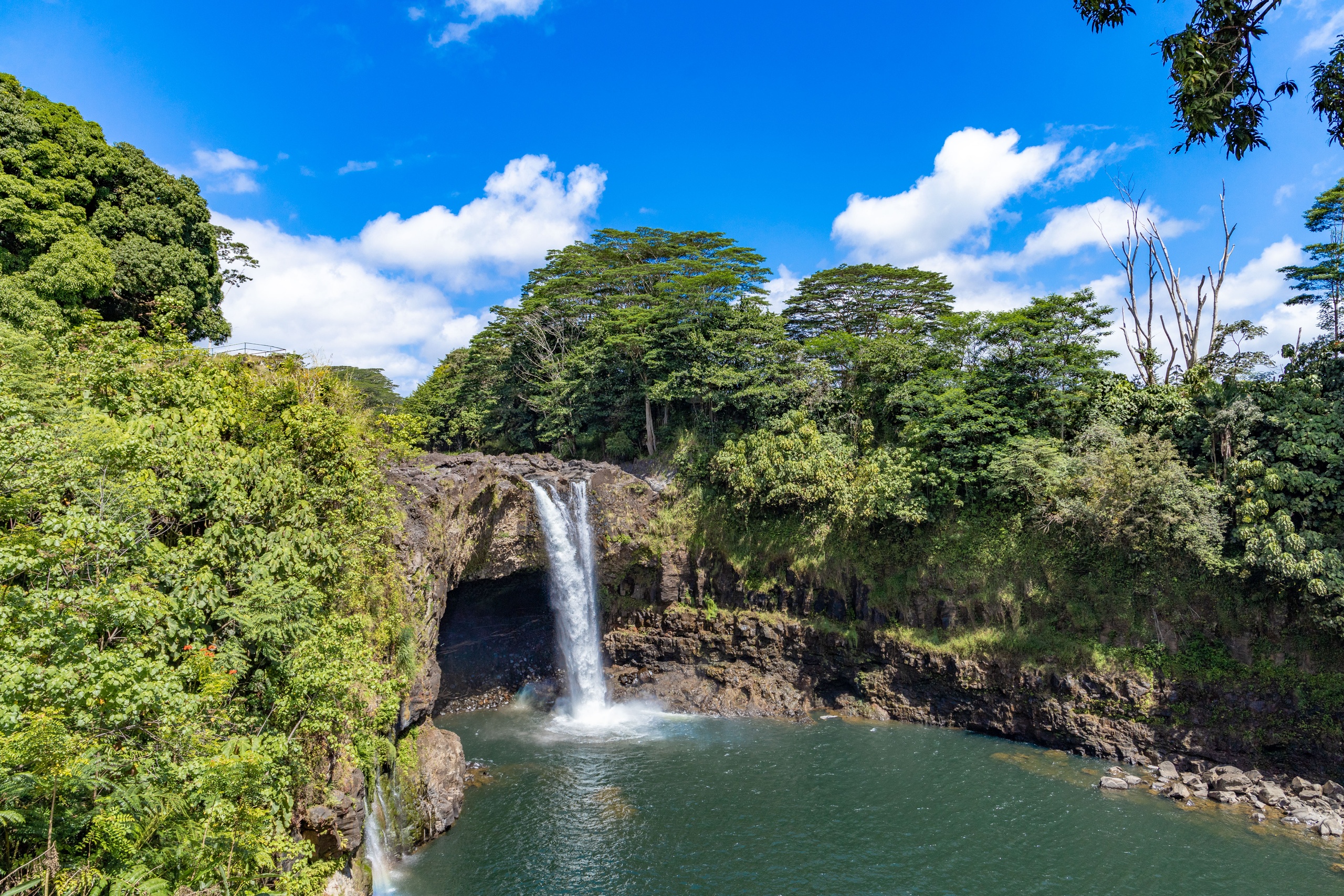
Laupāhoehoe sits like a weathered hinge on Hawaiʻi Island’s Hāmākua Coast—a narrow seam where green cliffs drop into jagged lava and the Pacific makes its first wide sweep. The coastline here resists easy categorization: it’s not a long stretch of golden beach, but rather a mosaic of black-sand pockets, tidepools, and rock-formed coves that concentrate marine life and create surprisingly varied water experiences in a small area. For snorkelers and freedivers, that means quick access from shore to vibrant reef edges. For paddlers and SUP enthusiasts, it means shelter in calm leeward pockets and dramatic paddles along lava-cliff frontiers. For surfers, the north-facing orientation brings reliable winter swells that reshape the coast and reward skill.
The character of Laupāhoehoe’s water activities is a product of geology and oceanography: rugged lava platforms, intermittent beaches, and offshore reefs generate current patterns and pockets of refuge. Seasonal shifts are pronounced—the tradewinds and summer swells tend to ease conditions, making shallow snorkeling and paddleboarding pleasant; winter storms and large north swells transform the same coastline into an arena for experienced surfers and spectacle for shore-based observers. That variability attracts a broad mix of travelers: families exploring tidepools at low tide, snorkelers seeking reef fish and green sea turtles in clearer summer seas, photographers chasing molten-sky sunsets, and local surfers who read the currents like a language.
Culturally, the coast is threaded with Hawaiian practices of stewardship and fishing that predate tourism. When you slip into the water here, you are entering a living shoreline used for generations as a source of food, ceremony, and travel. Respect for reef life, reef-safe sunscreen, and low-impact access—using existing paths and avoiding trampling of tidepool habitats—are practical ways visitors can align with local expectations. Nearby towns and services are compact; planning matters. Because access points are often narrow and parking limited, a successful water day in Laupāhoehoe blends logistical attention with a willingness to be flexible: watch morning conditions, time open-water activities for calmer windows, and be prepared to shift from snorkeling to a coastal walk or tidepool survey if conditions change. The payoff is immediate: intimate marine encounters, quiet shorelines, and the kind of ocean clarity that makes Hawaiʻi’s underwater world feel refreshingly close.