THE ADVENTURE COLLECTIVE® · Independent discovery and booking for outdoor travel
Top 30 Eco Tours in Little Torch Key, Florida
Little Torch Key Eco Tour Guide

Top 30 Eco Tours in Little Torch Key, Florida

Little Torch Key is a concentrated invitation to low-impact exploration: shallow mangrove channels, fringed seagrass flats, and access to living coral beyond the reef make eco tours here intimate, tactile, and deeply educational. This guide focuses on the kinds of tours — paddling, snorkeling, birding, and citizen-science trips — that let you observe fragile systems without overwhelming them.

Florida KeysBackcountry WatersCoral ReefMangrove ForestsWildlife & Birding

Live destination inventory

Top Eco Tour Trips in Little Torch Key

30 trips · Book with confidence · Instant confirmation

About The Destination

Why Little Torch Key Is a Unique Eco-Tour Destination

Small in scale but vast in ecological interconnection, Little Torch Key reads like an atlas of subtropical shorelines. Eco tours here are intimate: instead of sweeping vistas you slip into narrow mangrove tunnels, float above seagrass meadows, and peer down into neon-flecked reef gardens. The experience is tactile — salt on your lips, the soft creak of a kayak hull, the click of a guide’s camera as a juvenile fish darts past — and it rewards slow, patient attention.

The Lower Keys sit at the meeting line of tropical and temperate influences, producing a mosaic of habitats: mangrove stands that buffer storms and serve as nursery grounds, broad shallow flats where bonefish and stingrays quarter the sand, and coral formations just beyond the reef crest that still harbor spectacular biodiversity. Eco tours in Little Torch Key frame these systems as stories: how the mangroves filter water and trap sediment, how seagrasses store carbon and feed a food web, and how reef health reflects both global pressures and local stewardship. Guides here are often naturalists by training and fishermen by lineage; their narratives braid natural history with human history—Bahamians, Cuban immigrants, and Florida settlers who shaped the Keys’ maritime culture.

Practically, Little Torch Key’s scale makes it an ideal classroom. Short boat hops put you at the edge of protected flats where shallow-water snorkeling is possible for beginners; paddle tours thread mangrove islands that feel like a secret network; birding walks and dusk tours reveal seabird and wading-bird rhythms that larger islands sometimes lose to development. For travelers, that means a high return on a half-day investment—a morning kayak can yield fish, birds, and a close look at juvenile reef critters.

But eco tours here are also tempered by responsibility. The Keys are fragile: corals bleached by heat, seagrass beds stressed by boat wake and runoff, and mangrove margins squeezed by shoreline hardening. Responsible outfitters operate under low-impact principles—limited group sizes, reef-safe sunscreen policies, and volunteer or educational components that aim to give back. Choosing the right tour is as much about what you learn as what you see; the best tours leave no trace, leave you smarter, and leave things better than you found them.

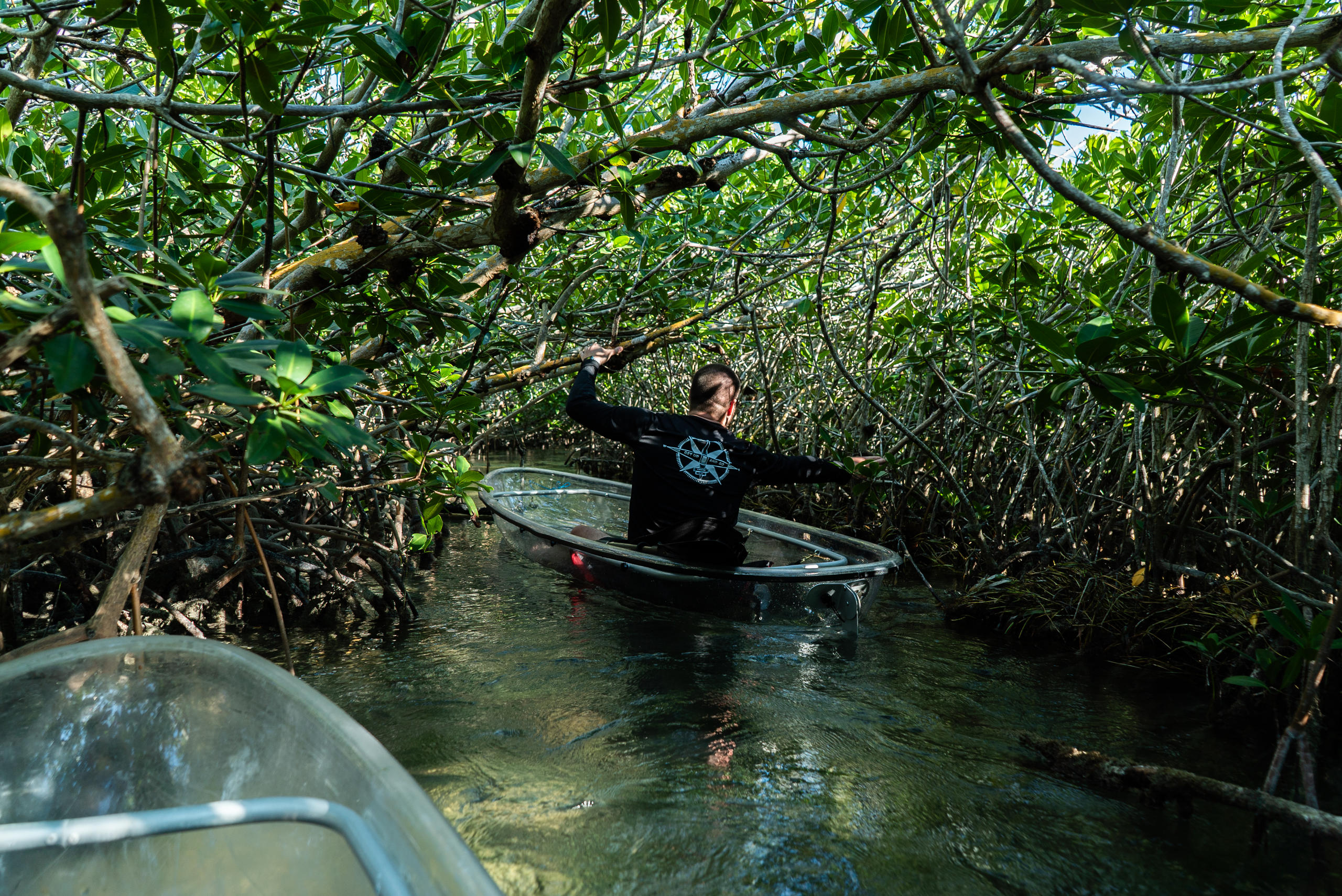
Tours focus on small-group formats and specialty itineraries—morning snorkels to avoid afternoon surge, evening mangrove paddles timed for wading birds, and citizen-science trips that collect water-quality or reef-health data.

Expect frequent opportunities to combine activities: a guided paddle that ends with a shallow-reef snorkel, or a birding walk that includes a talk on local conservation efforts and how visitors can help.

Weather and water conditions shape the day. Calm days open the full menu of experiences; wind and swell reshape itineraries toward more sheltered backcountry paddles and mangrove-focused trips.

Key Highlights

•Activity focus: Low-impact marine and coastal exploration
•Core habitats: Mangrove tunnels, seagrass flats, nearshore patch reefs
•Common wildlife: Wading birds, shorebirds, juvenile reef fish, rays, occasional sea turtles
•Group sizes: Many outfits cap groups at 6–12 for minimal impact
•Access: Most tours depart from small docks or launch points; some combine boat and paddle

Seasonal planning

Best Time to Visit

The Lower Keys are subtropical: mild, dry winters and warm, wetter summers. December–April tends to be drier with calmer seas and fewer hurricanes, producing the best conditions for snorkeling and flat-water paddles. Hurricane season runs June–November and can bring tropical storms, increased rain, and rough seas.

Top 30 Eco Tours in Little Torch Key, Florida
Seasonal Highlights

Peak Season: Winter holidays and spring break bring the most visitors and increased demand for popular morning tours.

Recommended months: December, January, February, March, April

Peak season

Winter holidays and spring break bring the most visitors and increased demand for popular morning tours.

High-demand period with peak activity schedules.

Best months

December – January – February – March – April

Optimal conditions for outdoor activities and tours.

Weather & conditions

The Lower Keys are subtropical: mild, dry winters and warm, wetter summers. December–April tends to be drier with calmer seas and fewer hurricanes, producing the best conditions for snorkeling and flat-water paddles. Hurricane season runs June–November and can bring tropical storms, increased rain, and rough seas.

Off-season & shoulder periods

Summer can offer fewer crowds and lower rates; early mornings are best to avoid heat and afternoon sea breezes. Off-season trips may focus more on sheltered mangrove paddles when offshore conditions are rough.

Match the trip to your comfort

Choose Your Experience Level

Introductory

Beginner

Short guided snorkeling visits to shallow reef patches, calm mangrove paddle loops, and interpretive boat rides that require minimal physical exertion.

  • Shallow-reef guided snorkel (protected patch reefs)
  • Half-day mangrove paddle with naturalist guide
  • Interpretive birding boat tour
Active outing

Intermediate

Longer paddles across flats, snorkel sessions in slightly deeper water, and combined paddle+snorkel tours that require basic stamina and comfort in water.

  • Backcountry kayak paddle to seagrass flats
  • Full-day reef snorkel and conservation talk
  • Sunset paddle with nocturnal marine life focus
Challenging / Technical

Advanced

Multi-site days, citizen-science or volunteer conservation shifts, and offshore snorkeling that may require experience with currents or open-water swimming.

  • Citizen-science reef survey and data collection
  • Open-water snorkel to patch reefs requiring robust swimming
  • Multi-hour backcountry navigation and wildlife survey

Recommended Gear

What to Bring

Essential

Core items

  • Reef-safe sunscreen (chemical-free)
  • Lightweight, quick-dry clothing and a sun hat
  • Reusable water bottle and snacks
  • Waterproof bag or dry sack for phone and layers
  • Comfortable water shoes or sandals with straps
Recommended

Helpful extras

  • Personal snorkel mask (fits better than rental gear)
  • Light wind layer for boat trips
  • Small dry camera or GoPro for underwater photos
  • Binoculars for birding and distant marine life
Optional

Trip-specific

  • Light reef-safe insect repellent for dusk paddles
  • Field notebook for species observations
  • Reusable straw or utensil kit to reduce plastic waste
Book morning slots for calm water and better visibility. Confirm group size limits and reef-safety policies before booking.

Insider Tips & Local Knowledge

Arrive hydrated and reef-safe: the best local outfitters enforce non-toxic sunscreen and brief guests on how to minimize footprint. If you bring your own snorkel mask, make sure it fits before the trip—ill-fitting masks are the most common reason visitors cut a snorkel session short. For paddles, expect the tidal schedule to shape wildlife sightings; low tides often expose flats where rays and juvenile fish concentrate. If you’re interested in conservation, ask about citizen-science options—many operators run short programs where guests help collect data on water clarity, fish counts, or coral condition. Finally, support local guides and small operators: their local knowledge, stewardship ethic, and small-group practices are what keep Little Torch Key’s eco-tourism sustainable.

Planning questions

Frequently Asked Questions

Most operators require basic swimming ability for snorkeling tours and recommend comfort in water. For mangrove paddles or guided boat tours, non-swimmers can often participate with a life jacket and a guide’s support—confirm with the outfitter.
Top 30 Eco Tours in Little Torch Key, Florida
Ready for your eco tour adventure?

Browse 30 verified trips in Little Torch Key.

Compare current availability and book with instant confirmation.

Explore Little Torch Key eco tour trips →