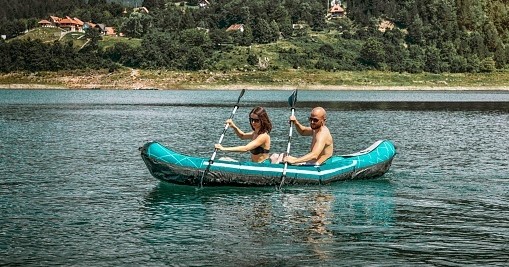
Lyme sits where river meets sound, and that meeting creates a generous palette of paddling possibilities. Morning fog lifts off the estuary in thin shawls, unveiling channels that thread through salt marshes and reach creeks lined with cedar and alder. On calm days, the surface is mirror-smooth and the only sound is the plop of a fish or the soft caw of a heron; on windy afternoons the same places teach you to read fetch and current. For day-trippers, Lyme's waterways are forgiving: many launches lead into protected coves and quiet side channels where currents are mild and navigation is straightforward. For more ambitious paddlers, there are routes that touch the edge of Long Island Sound, opening up saltwater crossings and broader coastal scenery.
Beyond scenery, Lyme's paddling is intimate in a cultural sense. The shoreline here has been shaped by centuries of fishing, small-scale boatbuilding, and estuarine stewardship; the tidal rhythms that guide a trip today are the same rhythms that supported local industry and shaped marshland farms. Because the landscape is a working mix of private shoreline, public access points, and conserved parcels, paddlers who plan thoughtfully can weave together routes that balance solitude with responsible use. Wildlife watching is a major draw—brant and eider duck through winter and early spring, migratory songbirds crowd the marsh edges in spring and fall, and saltmarsh sparrows and herons are year-round companions. The ecological richness also means paddlers should adopt a light-touch ethic: avoid trampling cordgrass, steer clear of nesting areas in season, and be prepared to alter plans around tides that can widen or narrow channels dramatically.
Practically, Lyme is accessible from regional hubs and makes for a flexible paddling base. Launches range from hand-carried put-ins beside small municipal ramps to gently sloping beaches where a single kayak can be carried to shallow water. This variety supports everything from guided lessons and family-friendly flatwater laps to self-led tidal runs and island-hopping afternoons when conditions allow. The most successful trips in Lyme are those that respect weather windows and tidal charts, match craft to conditions (stable recreational kayaks for marsh and cove tours; sea kayaks for exposed sound crossings), and incorporate local knowledge—either gleaned from trusted guides or by studying current and tide data beforehand. If you want to pair paddling with other activities, Lyme's trails, birding hides, and historic shoreline sites make ideal after-trip diversions that extend a day on the water into a full regional experience.