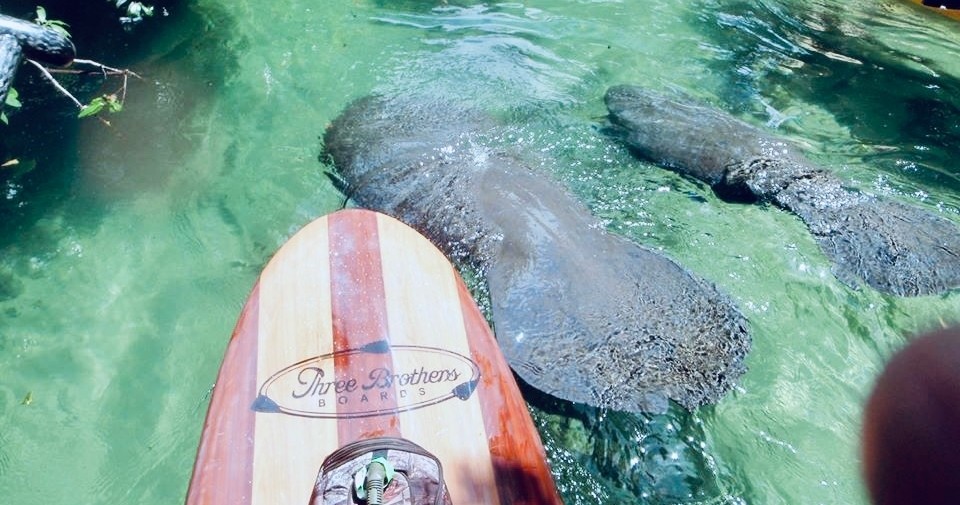
Maitland’s strength as a dolphin hub isn’t that dolphins live in the suburb’s city lakes — they don’t — but that this pocket of suburbia sits within easy reach of two of Florida’s most biodiverse marine systems: the Indian River Lagoon and the Mosquito Lagoon. These estuarine waters are nurseries and highways for fish and crustaceans, which in turn draw resilient, curious bottlenose dolphins that have adapted to Florida’s mix of shallow tidal creeks, barrier island inlets, and nearshore Atlantic breaks. For travelers who want wildlife without the crush of tourist crowds, Maitland offers short drives to launch points where guided operators run small-group kayak trips, quieter sightseeing boats, and educational eco-cruises that emphasize responsible viewing.
The appeal is both practical and poetic. From a kayak in a mangrove tunnel you can feel the water press gently against the hull as a mother-and-calf pair threads a channel; from a small-boat tour off Cocoa Beach, you can watch bow-riding dolphins stripe the wakes of fishing boats while pelicans wheel overhead. Guides based near Maitland are often naturalists who can translate behavior — why a pod beaches fish in tight circles, or how seasonal migration patterns shift with spawning runs — into meaningful context that deepens the experience. That interpretive element distinguishes a good outing from a great one: you're not just seeing dolphins, you’re understanding the ecosystem those dolphins rely on.
Picking Maitland as your base also opens complementary outdoor options that make a full itinerary feel balanced. Paddleboard or kayak the calmer backwaters at Merritt Island, hike the coastal dunes and watch nesting sea turtles in season, or spend late afternoon birding in the refuge before an evening dolphin cruise. The Space Coast’s launch history lenses these excursions with a sense of place: launches and wildlife share the same skies, and many tours fold in local history about the confluence of human exploration and natural richness. Lastly, conservation-minded travelers will appreciate that many reputable operators emphasize minimum approach distances, quiet motors, and leave-no-trace paddling practices — essential considerations in a region where tourism and fragile coastal habitats intersect.