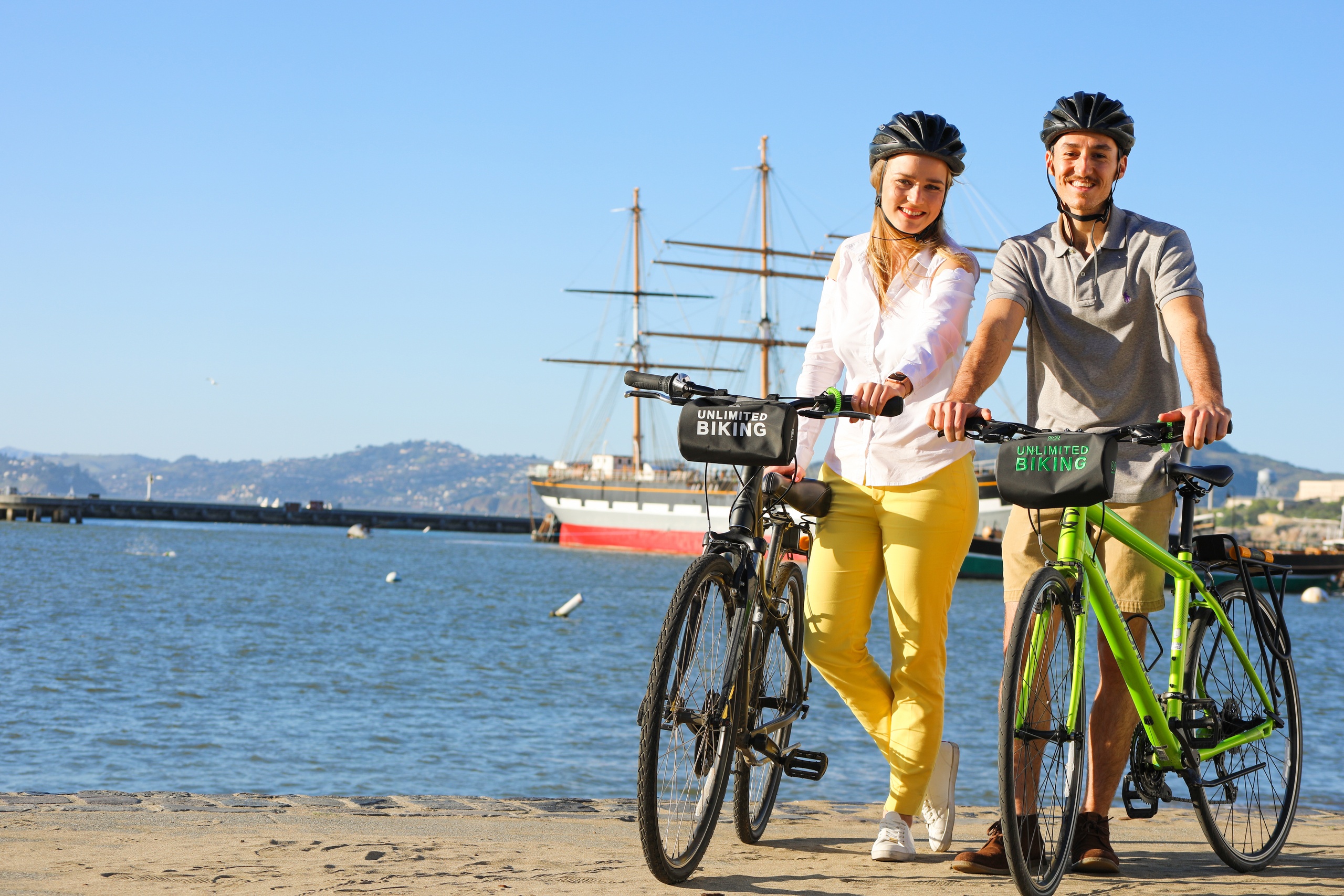
The first pedal — or in this case, the first hum of the motor — dissolves the distance between you and the Pacific. In Malibu, e-bikes are a gentle equalizer: they let a weekend rider keep pace with a fitness cyclist, turn a long shoreline run into a half-day exploration, and make ridge viewpoints that once required a long climb reachable in a single charge. Imagine rolling down the Pacific Coast Highway at dawn with a salty breeze and no traffic stress, detouring onto a shaded canyon road where scrub oak perfumes the air, then ascending a coastal ridge to look back at a sweep of blue dotted with surfers. That combination of accessible distance and dramatic coastal terrain is what makes e-biking here uniquely rewarding.
Malibu’s geography—narrow coastal plain wedged against steep Santa Monica Mountains—creates a compact variety of riding experiences. There are easy, scenic cruises along the PCH and blufftop paths where the ride is primarily about coastline watching and stopping for tide pools or a coffee at a beachside cafe. Move a few miles inland and the landscape tightens: backroads thread through oak-dotted canyons, steep and sinuous, where pedal-assist transforms a steep grade into a manageable effort and offers an intimate way to discover chaparral ecosystems, creek crossings, and pockets of solitude. The city’s beaches and state parks connect with vineyards, breweries, and surf breaks, making for a day where you can pair a coastal cruise with a short hike or a late-afternoon tasting.
Culturally, Malibu maintains a low-key Pacific vibe that favors outdoor recreation: surfers, trail runners, and cyclists share fragile landscapes with residents. E-bikes fit neatly into that culture when riders observe local etiquette—stick to paved roads and permitted multi-use routes for motor-assist bikes, dismount on narrow singletrack where e-bikes are restricted, and be prepared to yield to pedestrians. Environmental awareness is also central: many of Malibu’s ridgelines are fire-prone and ecologically sensitive; choose routes that minimize erosion and avoid closed areas during restoration periods. The result is a riding scene that rewards curiosity and respect—ride slowly enough to notice a hawk riding a thermal, charge often enough to finish the route strong, and plan your stops around tidebooks and sunset windows.