THE ADVENTURE COLLECTIVE® · Independent discovery and booking for outdoor travel
Top 5 Climbing Adventures in Mechanic Falls, Maine
Mechanic Falls Climbing Guide

Top 5 Climbing Adventures in Mechanic Falls, Maine

Mechanic Falls sits at a crossroads of low-angle granite outcrops, river-sculpted boulders, and quiet roadside crags that reward curiosity more than fame. This short, focused guide highlights five approachable climbing experiences in and around the town—from river-edge bouldering and slab climbs to nearby sport and trad options reachable with a short drive. Expect short approaches, variable rock, and an emphasis on low-impact ethics; bring route sense and a willingness to explore combined with basic technical skills. Complementary activities—trail running, paddling the Androscoggin, and visiting nearby gyms in the Lewiston–Auburn area—make Mechanic Falls a good base for mixed-day adventures.

Androscoggin River ValleyWestern Maine WoodlandsLewiston–Auburn region

Live destination inventory

Top Climbing Trips in Mechanic Falls

5 trips · Book with confidence · Instant confirmation

About The Destination

Why Mechanic Falls Works for Climbers

Mechanic Falls is not a destination built on marquee walls or multi-pitch fame; its appeal is quieter and more elemental. The town and its surrounding woodlands showcase the kind of New England climbing that rewards local knowledge: compact crags tucked into river corridors, scattered boulders polished by centuries of runoff, and short, technical pitches on ledges and slabs that hinge on balance and footwork more than brute strength. For climbers who prefer concise approaches, a mix of sport and traditional moves, and the pleasure of uncluttered routes, Mechanic Falls offers a satisfying, low-key playground.

The landscape here is a study in contrasts. Where long-range alpine views dominate a mountain range, Mechanic Falls presents a more intimate geology—exposed slabs, fractured faces, and river-smoothed domes. Rock quality varies, and good route selection is everything: dry, sun-baked faces provide friction and delicate slab work, while shaded faces stay cool and retain moss after rain. Approaches are usually short, often under 20 minutes, making it feasible to link multiple short routes into a single afternoon session. That compactness also means climbing tends to blend with other outdoor pursuits—paddling sections of the Androscoggin, hiking nearby forest tracks, or exploring the local greenways if you want to stretch your legs between climbs.

There’s also a cultural rhythm to climbing around Mechanic Falls. Many of the best experiences are shared knowledge: which crag dries fastest after rain, where boulders sit out of the wind, and which faces collect sun in the shoulder seasons. That culture encourages respect—pack out what you pack in, avoid creating new trails, and be mindful of private property boundaries. Because the area lacks large managed climbing areas, stewardship matters. Climbers who arrive with a leave-no-trace mind-set and a readiness to follow local access norms find more freedom and solitude than in busier climbing hubs.

Finally, Mechanic Falls works as a practical base. A short drive opens up a broader range of options across western Maine—if you want more sustained sport lines or indoor training, regional centers in neighboring towns can fill that gap. For travelers planning a weekend climbing escape, Mechanic Falls combines simple logistics, varied short climbs, and the chance to experience a small-town Maine setting without the crowds that come with more famous crags.

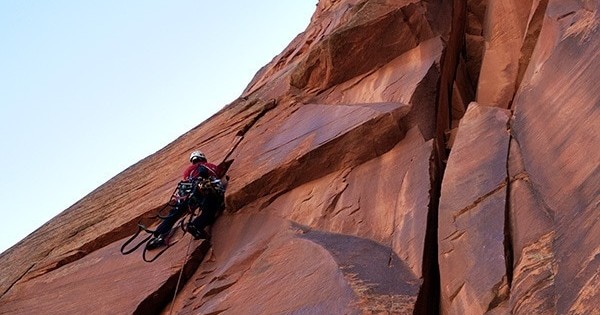
Approach times: Typically short—most crags are a brisk walk from roadside parking, which makes multiple-session days easy.

Climbing character: Mix of slab, short face climbs, and boulder problems emphasizing balance and footwork over long endurance pitches.

Local logistics: Use nearby Lewiston–Auburn for indoor gyms, gear shops, and guide resources when needed.

Key Highlights

•Activity focus: Cragging & Bouldering (short approaches)
•Ideal for day trips and quick sessions
•Rock type: local granite and river-polished stone (quality varies by face)
•Low visitor density compared with larger Maine climbing areas
•Respect private land and local access—leave no trace

Seasonal planning

Best Time to Visit

Late spring and early fall typically offer the best combination of dry rock and comfortable temperatures. Summer afternoons can be humid and bring isolated thunderstorms; shaded faces stay climbable but expect mosquitoes in wooded approaches. Winter brings ice and snow—indoor training is a better bet until spring thaw.

Top 5 Climbing Adventures in Mechanic Falls, Maine
Seasonal Highlights

Peak Season: Late spring and early fall weekdays and weekends see the most local activity; summer weekends can be warm and occasionally buggy.

Recommended months: May, June, September, October

Peak season

Late spring and early fall weekdays and weekends see the most local activity; summer weekends can be warm and occasionally buggy.

High-demand period with peak activity schedules.

Best months

May – June – September – October

Optimal conditions for outdoor activities and tours.

Weather & conditions

Late spring and early fall typically offer the best combination of dry rock and comfortable temperatures. Summer afternoons can be humid and bring isolated thunderstorms; shaded faces stay climbable but expect mosquitoes in wooded approaches. Winter brings ice and snow—indoor training is a better bet until spring thaw.

Off-season & shoulder periods

Shoulder seasons provide solitude and crisp climbing days; winter offers ice and mixed climbing in other parts of Maine, but surfaces near Mechanic Falls are frequently frozen or snow-covered—consider indoor gyms for off-season training.

Match the trip to your comfort

Choose Your Experience Level

Introductory

Beginner

Short top-rope and slab routes with minimal approach, suitable for people new to outdoors climbing when guided by an experienced partner or instructor.

  • Top-roping short slab faces
  • Introductory boulder problems on low boulders
  • Skill-building sessions at a local indoor gym
Active outing

Intermediate

Lead climbing on short sport pitches, moderate trad routes, and extended boulder circuits requiring route-finding and careful footwork.

  • Sport lead on single-pitch crags
  • Short trad leads and multi-problem boulder sessions
  • Linking multiple nearby crags in a half-day outing
Challenging / Technical

Advanced

Technical slab, unprotected face climbs, and complex boulder projects that demand precise movement, a solid trad rack, and thorough local beta.

  • Leading un-bolted face routes with full trad rack
  • Problem-solving on highball boulders
  • Exploratory route development with proper ethics and access checks

Recommended Gear

What to Bring

Essential

Core items

  • Climbing shoes suited for slab and smearing
  • Helmet (strongly recommended on river boulders and crags)
  • Harness, locking carabiners, belay device for roped climbs
  • Crash pad and spotter for bouldering
  • Topo or offline map and basic navigation on phone
Recommended

Helpful extras

  • Single rope (60m if you plan to travel beyond town crags)
  • Small trad rack (if you plan to lead un-bolted lines)
  • Quickdraws for sport pitches
  • Tape for hands and a light brush to clean holds
  • Layered clothing and a wind shell for variable weather
Optional

Trip-specific

  • Lightweight approach shoes for hiking between crags
  • Binoculars or camera for capturing river and forest scenes
  • Guidebook or local beta downloaded to your phone
  • Tick repellent and small first-aid kit
Confirm access and conditions before you climb; local landowners and managers determine what’s allowed.

Insider Tips & Local Knowledge

Start early to catch dry morning faces and avoid late-afternoon thunderstorms that can settle in during warm months. Rock dries unevenly—south- and west-facing faces shed overnight moisture faster than shaded north-facing slabs. Keep approaches minimal and avoid creating new trails: step on durable surfaces and use existing paths. Because some crags sit near roadways and private parcels, be discrete about parking and respect signage. Bouldering near the river is best when flows are low—high water can make landings slick and routes dangerous. Bring a friend: a reliable spotter and a set of pads change the risk profile of many problems. If you’re visiting from out of town, use nearby Lewiston–Auburn for gear shops, indoor training, or to find local beta and guiding services. Finally, leave the place better than you found it: pack out chalk remnants, secure loose hardware if it’s your responsibility, and report any access issues to local climbing groups so the community can stay informed.

Planning questions

Frequently Asked Questions

Most climbing areas in and around Mechanic Falls are informal and do not require permits, but access can involve private land. Always verify access before climbing and follow posted rules. If you’re unsure, consult local climbing groups or regional land managers.
Top 5 Climbing Adventures in Mechanic Falls, Maine
Ready for your climbing adventure?

Browse 5 verified trips in Mechanic Falls.

Compare current availability and book with instant confirmation.

Explore Mechanic Falls climbing trips →