THE ADVENTURE COLLECTIVE® · Independent discovery and booking for outdoor travel
Whale Watching in Nanakuli, Hawaii
Nanakuli Whale Watch Guide

Whale Watching in Nanakuli, Hawaii

Nanakuli sits on Oʻahu’s rugged leeward shore where the deep offshore shelf, seasonal migrations, and a patchwork of coastal habitats create reliable opportunities to see humpback whales up close. Whether you watch from a wind-swept bluff, a sandy beach, or a small, guided vessel launched from a nearby harbor, the experience here emphasizes quiet observation, natural rhythms, and a strong connection to Hawaiian marine stewardship. This guide focuses specifically on whale watching practices around Nanakuli—when to go, what you’ll likely see, how to plan a shore- or boat-based outing, and how to pair a whale-watch with snorkeling, coastal hikes, and cultural stops along Oʻahu’s leeward coast.

Leeward OʻahuKaʻena PointNanakuli Beach Park

Live destination inventory

Top Whale Watch Trips in Nanakuli

77 trips · Book with confidence · Instant confirmation

About The Destination

Why Nanakuli Is a Standout Whale-Watching Destination

Along Oʻahu’s leeward coast, Nanakuli is often overlooked by visitors chasing Waikīkī sunsets, but it holds a quiet advantage for whale watchers: proximity to deep water, a relatively undeveloped coastline, and a cultural landscape that frames marine life as community. Each winter, humpback whales migrate from Alaska’s feeding grounds to the warm, protected waters around the main Hawaiian Islands to breed, calve, and nurse. Nanakuli’s coastline faces a deep offshore shelf and channels that funnel whales close to shore, making surface behaviors—breaches, tail slaps, pectoral slaps, and the slow, intimate arcs of a mother and calf—more visible from both sea and land. The experience is as much about atmosphere as spectacle: mornings here are often glassy, wind picking up in the afternoon, and the distant outline of Kaʻena Point marks a boundary where marine reserves and currents shape wildlife patterns.

Observing whales in Nanakuli is a lesson in patience and respect. Unlike tour-heavy harbors, this stretch of coast has fewer large commercial operations, which can mean smaller groups, less noise, and a higher likelihood of solitary encounters that feel personal. Local guides emphasize passive observation—maintaining space, minimizing engine noise, and letting whales choose how close they come. This ethic dovetails with Hawaiian values of mālama ʻāina (care for the land) and mālama kai (care for the sea), and it filters into the practicalities of planning: choose operators that follow approach guidelines, bring optics for shore viewing, and time outings for early morning calm or late afternoon light when whale activity can intensify.

Nanakuli also offers rich complementary experiences that deepen a whale-watch trip. A morning on the water can be followed by snorkeling sessions at nearby reefs, where spinner dolphins, reef fish, and sea turtles add texture to the marine story. Coastal hikes toward Kaʻena Point offer birding and the chance to see the coastline from a high vantage, while cultural stops—local markets, roadside ʻopelu stands, and community parks—provide context and refreshment. The leeward coast’s sparse development amplifies the sense of wildness: whale blows punctuate a horizon composed of reef flats, rolling surf, and the occasional distant tanker. For photographers and casual observers alike, Nanakuli rewards slow attention: a shot of a tail stock disappearing against an orange winter light, a calf flicking water, or the mournful silhouette of a solo adult fluking to dive. Those moments are both grand and fragile, so preparation—respectful behavior, weather awareness, and an eye toward conservation—makes the difference between a memorable trip and a missed chance.

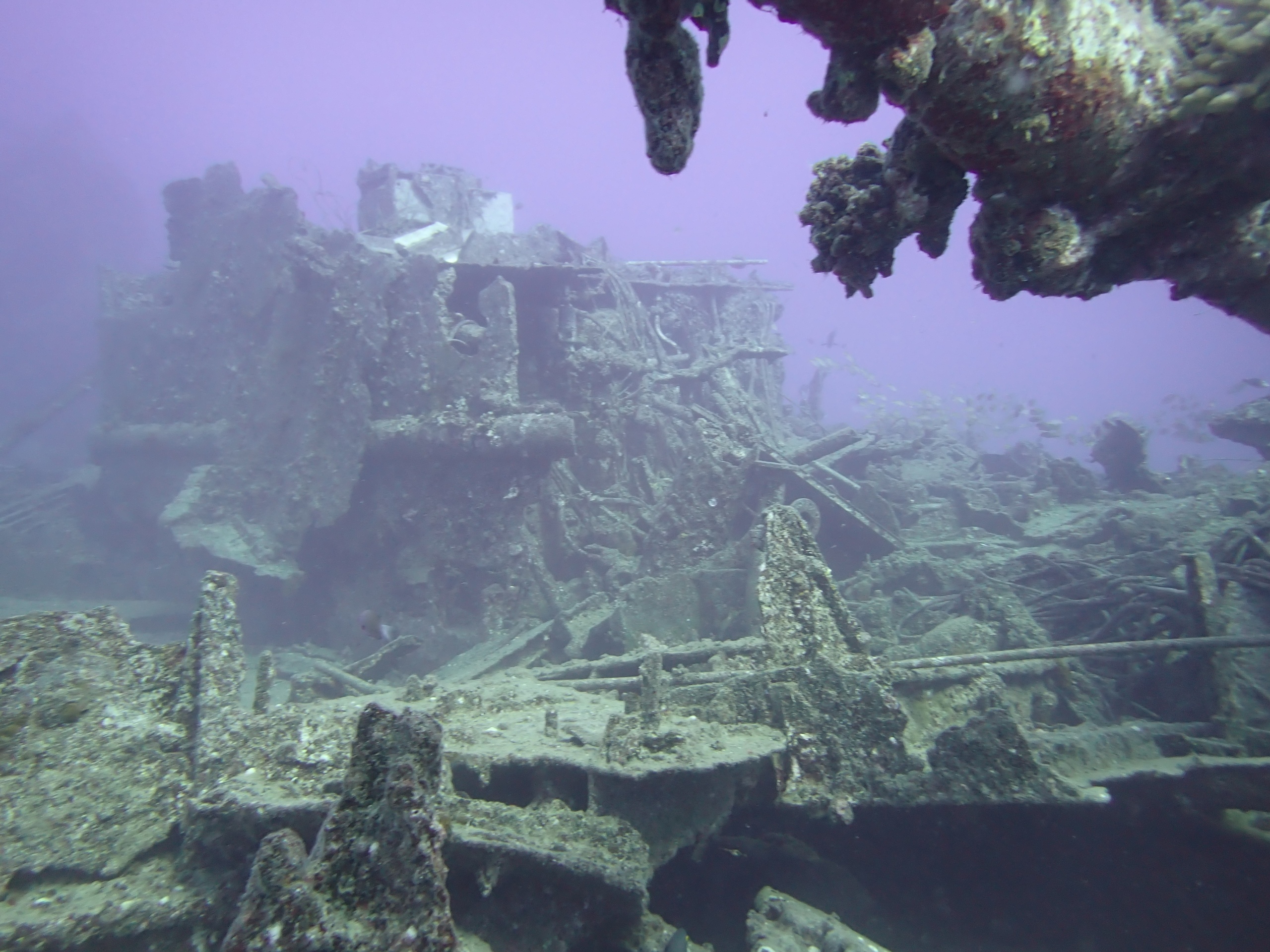
The leeward shelf and seasonal currents bring whales closer to shore here than on some windward stretches, which increases the chance of seeing dramatic surface behaviors from both boat and land.

Local conservation efforts and the proximity of protected areas like Kaʻena Point mean whale encounters in Nanakuli are framed by broader ecosystem protections—follow local guidelines and operators that prioritize whale welfare.

Key Highlights

•Activity focus: Whale watching (humpback whales, primarily Dec–Apr)
•77 matching whale-watch experiences in the region
•Best viewing from shore bluffs at dawn or small guided vessels
•Combine with snorkeling, coastal hikes to Kaʻena Point, and cultural stops
•Respect approach-distance guidelines and local marine protections

Seasonal planning

Best Time to Visit

Winters bring the whale migration and typically calmer mornings with more reliable visibility; trade winds can pick up in the afternoon. Summers are warmer and offer calmer seas for snorkeling but fewer whales.

Whale Watching in Nanakuli, Hawaii
Seasonal Highlights

Peak Season: January–March

Recommended months: December, January, February, March, April

Peak season

January–March

High-demand period with peak activity schedules.

Best months

December – January – February – March – April

Optimal conditions for outdoor activities and tours.

Weather & conditions

Winters bring the whale migration and typically calmer mornings with more reliable visibility; trade winds can pick up in the afternoon. Summers are warmer and offer calmer seas for snorkeling but fewer whales.

Off-season & shoulder periods

Outside migration months you can still enjoy marine life viewing from shore—dolphins, sea turtles, and seasonal seabirds—and better conditions for reef snorkeling and paddleboarding.

Match the trip to your comfort

Choose Your Experience Level

Introductory

Beginner

Casual shore-based observation and short guided boat tours suited to families and first-time whale watchers.

  • Sunrise watch from Nanakuli Beach Park
  • Short guided harbor trip with interpretive commentary
  • Coastal walk to nearby vantage points
Active outing

Intermediate

Half-day small-boat trips, guided eco-tours combining whale watching with snorkeling or birding, and longer shore-watching sessions using spotting scopes.

  • Half-day eco-cruise from a nearby launch point
  • Kayak or SUP whale-awareness tour (seasonal and operator-dependent)
  • Combination tour: whale-watch then snorkeling at reef sites
Challenging / Technical

Advanced

Extended naturalist expeditions, photography-focused charters, or citizen-science outings requiring planning, sea-readiness, and an emphasis on behavioral study.

  • Full-day photography charter with a specialized skipper
  • Research-support or citizen-science whale surveys (when available)
  • Multi-activity coastal expedition combining Kaʻena Point hiking and marine surveys

Recommended Gear

What to Bring

Essential

Core items

  • Binoculars or a zoom lens (at least 200mm for photos)
  • Windproof layer and sun protection (hat, SPF, sunglasses)
  • Reusable water bottle and light snacks
  • Camera or phone with extra battery/storage
  • Sea-sickness medication if you plan a boat trip
Recommended

Helpful extras

  • Small tripod or monopod for spotting scopes
  • Waterproof daypack for boat or beach outings
  • Compact waterproof jacket for spray and light rain
  • Local guide contact or tour reservation confirmation
Optional

Trip-specific

  • Spotting scope for extended shore sessions
  • Notebook for behavioral observations
  • Light binocular harness for long watches
Follow local regulations and operator guidelines; minimize disturbance and prioritize safety for whales and people.

Insider Tips & Local Knowledge

Book small-group operators who follow NOAA and Hawaiian approach guidelines, and prefer tours that emphasize education and low-impact viewing. Plan for early starts—mornings often yield calmer seas and active behavior—and bring binoculars even if you’re joining a boat trip. Respect traffic and parking at Nanakuli Beach Park; arrive early on weekends. If you’re watching from shore, use elevated bluffs or headlands for a better angle and avoid trampling dune vegetation. Take sea-sickness prevention if you’re prone to motion sickness, and check swell and wind forecasts because leeward conditions can shift quickly. Finally, consider pairing a whale-watch with a visit to Kaʻena Point Natural Area Reserve for birding and a broader look at the leeward ecosystem—local conservation groups often host interpretive programs seasonally, and supporting them helps protect the habitats that whales and other marine life rely on.

Planning questions

Frequently Asked Questions

No permit is required to view whales from public beaches and shorelines, but stay on public access points and respect private property. Follow local signage and guidelines.
Whale Watching in Nanakuli, Hawaii
Ready for your whale watch adventure?

Browse 77 verified trips in Nanakuli.

Compare current availability and book with instant confirmation.

Explore Nanakuli whale watch trips →