Pa‘auilo’s shoreline is not a postcard of palm-fringed white sand and long, gentle reefs — it’s a raw, intimate coastal experience. The Hamakua Coast was carved by lava and time, leaving a patchwork of rocky coves, shallow fringing reefs, and sudden underwater escarpments. For divers who prize solitude, geological variety, and a chance to read every tide and swell, Pa‘auilo offers an understated but rewarding playground.
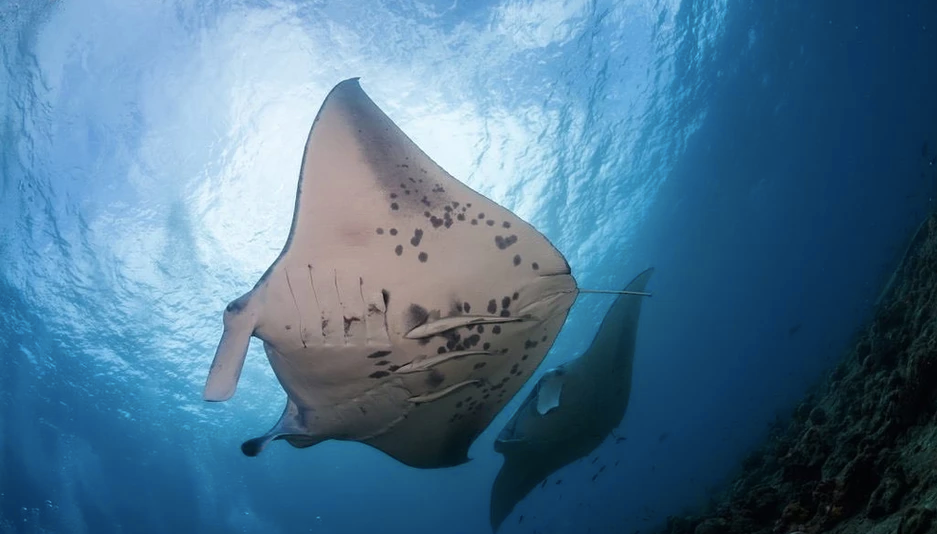
Underneath the surface you’ll find the quiet theater of Hawai‘i’s nearshore reef life: parrotfish and surgeonfish cropping on algae, butterflyfish patrolling coral heads, moray eels tucked into lava fissures, and honu (green sea turtles) gliding through the surge. Visibility can vary with swell and runoff, but on calmer days the water reveals sculpted lava formations, fissures, and pockets of hard and soft coral that provide habitat complexity uncommon on more heavily visited shores. The coastal topography creates interesting dive profiles — long shallow reefs that slope out to ledges, small surge channels, and pockets of broken reef that are great for macro seekers.
What makes Pa‘auilo especially appealing is its access to authentic island life. There are no large dive resorts here; services are sparse, and many dives are shore-based or launched from neighboring bays. That means planning and local knowledge matter. Divers often stage from Hilo or smaller nearby towns where dive charters and gear rental are available; others opt for carefully planned shore entries from discreet coves. This low-key approach keeps sites quiet and wildlife comparatively undisturbed, but it also means you should arrive prepared: be confident with shore-entry procedures, current awareness, and self-sufficiency.
Pa‘auilo is also a seasonally shaped destination. Trade winds and the north Pacific swell pattern influence both surface conditions and underwater visibility. Summer months typically bring gentler seas and more predictable conditions, while winter can deliver dramatic surf and reduced access to many shore sites. The result is a coastal scuba experience that rewards flexibility and local briefing: a day that opens with glassy water and vivid visibility can shift quickly with a passing swell or runoff after heavy rain. For travelers who like to pair dives with exploration, the area links naturally to hikes along the cliffs, tidepool forays, and cultural stops in hamlets where the pace is slow and the landscape dramatic.