THE ADVENTURE COLLECTIVE® · Independent discovery and booking for outdoor travel
Top Kayak Adventures in Pāhala, Hawaii
Pāhala Kayak Guide

Top Kayak Adventures in Pāhala, Hawaii

Remote, rugged, and undersung, the Kaʻū coastline around Pāhala is a kayak destination for paddlers who prize quiet seas, dramatic lava-formed cliffs, and intimate wildlife encounters. Expect black-sand shorelines, reef-rich snorkel stops, and the kind of offshore solitude that makes every turn feel like discovery.

Kaʻū CoastPunaluʻu Black Sand BeachHawaiʻi Volcanoes National Park

Live destination inventory

Top Kayak Trips in Pāhala

4 trips · Book with confidence · Instant confirmation

About The Destination

Why Pāhala Is a Standout Kayaking Destination

Pāhala sits inland from one of the Big Island’s most elemental shorelines: a stretch of coast where lava meets surf, black sand accumulates in quiet coves, and reefs roll outward into blue open water. For kayakers the appeal is elemental—few crowds, a sense of remoteness, and a coastline that rewards patient exploration. Paddling here is less about flashy infrastructure and more about reading the sea and the land. You cross a threshold from plantation-era town into an exposed coastal world shaped by volcanic geology and Pacific swells.

The routes that start from launch points near Pāhala are varied in tone but consistent in character. Short, sheltered paddles off a black-sand beach can be paired with reef snorkeling and easy wildlife viewing. Longer excursions hug lava cliffs and pass offshore pinnacles where seabirds wheel and where spinner dolphins and green sea turtles are commonly encountered. In winter months the same offshore corridor attracts migrating humpback whales—spectacle and swell arrive hand-in-hand, and that interplay defines how and when paddlers plan trips.

There’s a cultural layer to the coast, too. Kaʻū is shaped by Hawaiian place names, by the histories of land use that include fishing, farming, and sugar plantations, and by a living stewardship that asks visitors to tread lightly. Kayaks, by virtue of their small footprint, are an ideal way to experience both the ecological richness and the cultural backdrop—when paddlers arrive with respect for reefs, protected species, and shore access rules, the coastline tends to respond with quiet generosity.

Practically speaking, Pāhala’s appeal is tempered by logistics. The town is inland; put-ins and coastal access points require a short drive. Facilities are minimal in many spots, so self-sufficiency matters: extra water, fuel, spare paddle, and a solid plan are all part of safe enjoyment. For open-ocean traverses and cliff-hugging routes, local guides provide knowledge of currents, tide lines, and hidden entries into sea caves or sheltered coves—critical information in a place where conditions can shift quickly. For paddlers who want both solitude and safety, combining local guidance with personal skill builds the best trips.

Ultimately, Pāhala’s kayakscape is a study in contrasts: calm reef-lined bays that invite slow exploration, alongside exposed headlands where ocean energy sculpts the shoreline. Those contrasts create a rich palette of experiences—short coastal loops for beginners and multi-mile coastal runs for experienced paddlers—each offering a strong sense of place that lingers long after you’ve hauled your boat from the sand.

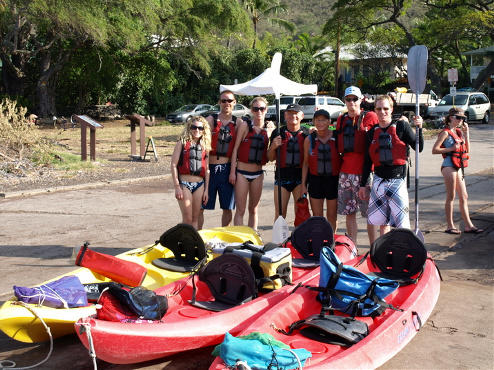
Coastal variety: small black-sand coves, lava cliffs, and offshore reefs create diverse paddle routes within a short distance.

Wildlife highlights include spinner dolphins close to shore, frequent green sea turtle sightings, and seasonal humpback whales offshore.

Cultural context: Kaʻū’s landscape holds Hawaiian place names and land-use history; respect for access and marine stewardship is essential.

Key Highlights

•Activity focus: Sea kayaking & coastal paddling
•Launches typically require a short drive from Pāhala to the coast
•Common wildlife: spinner dolphins, green sea turtles, seabirds; seasonal humpback whales offshore
•Conditions can shift quickly—check swell, wind, and tide forecasts before launching
•Best for paddlers who value remote coastline and reef snorkeling opportunities

Seasonal planning

Best Time to Visit

Trades and swell patterns drive conditions. Spring through early fall tends to bring calmer seas and lighter swell—a safer window for coastal paddling. Winter can offer exceptional marine life viewing but also larger swells and stronger winds; pick sheltered launch days and consult local forecasts.

Top Kayak Adventures in Pāhala, Hawaii
Seasonal Highlights

Peak Season: Summer months see the calmest seas and are most comfortable for day paddles; winter brings more surf and occasional whale activity.

Recommended months: April, May, June, July, August, September, October

Peak season

Summer months see the calmest seas and are most comfortable for day paddles; winter brings more surf and occasional whale activity.

High-demand period with peak activity schedules.

Best months

April – May – June – July – August – September – October

Optimal conditions for outdoor activities and tours.

Weather & conditions

Trades and swell patterns drive conditions. Spring through early fall tends to bring calmer seas and lighter swell—a safer window for coastal paddling. Winter can offer exceptional marine life viewing but also larger swells and stronger winds; pick sheltered launch days and consult local forecasts.

Off-season & shoulder periods

Winter weekdays can reward paddlers with whale sightings and fewer people, but trips may require higher skill levels or guide support due to increased swell and wind.

Match the trip to your comfort

Choose Your Experience Level

Introductory

Beginner

Short, sheltered bay paddles and guided coastal loops with minimal open-ocean exposure. Good for first-time sea kayakers when conditions are calm.

  • Guided black-sand beach loop with reef snorkeling stops
  • Protected bay paddles with wildlife viewing and short swims
  • Introductory skills session and short coastal tour
Active outing

Intermediate

Longer coastal runs that involve navigating reef passages, moderate crossings, and some exposure to wind and swell. Requires comfort with basic self-rescue and tide planning.

  • Half-day coastal traverse to a sea-cave or cliff overlook
  • Paddle-and-snorkel route with reef-hugging segments
  • Extended guided wildlife-viewing paddle with brief open-water crossings
Challenging / Technical

Advanced

Multi-mile open-ocean paddles, strong current sections, and routes that demand navigation, self-rescue skills, and contingency planning. Best attempted with local knowledge or a trusted guide.

  • Cross-coast runs past exposed headlands and offshore pinnacles
  • Multi-hour cliff-to-cliff passages requiring current and swell management
  • Independent navigation and long-distance coastal tours

Recommended Gear

What to Bring

Essential

Core items

  • Personal Flotation Device (USCG-approved) fitted for paddling
  • Dry bag for phone, camera, and layers
  • Plenty of drinking water and high-energy snacks
  • Reef-safe sunscreen and sun protection (hat, long-sleeve UV shirt)
  • Waterproof communication (VHF, PLB, or waterproof phone case)
  • Paddle leash and spare paddle
Recommended

Helpful extras

  • Light thermic or wind shell for early mornings or ocean spray
  • Short reef shoes or neoprene booties for rocky launches
  • Compact first-aid kit and basics for blister care
  • Tide and current information printed or in an app
  • Mask/snorkel for reef stops
Optional

Trip-specific

  • Compact binoculars for seabird and whale spotting
  • Small tow line for group paddles
  • Camera with waterproof housing
  • Map or GPS route download for longer coastal runs
Check the marine forecast, tide tables, and local advisories before you go. Respect marine wildlife and cultural sites; minimize impact and follow local guidelines.

Insider Tips & Local Knowledge

Launch early for calmer winds and cleaner seas—late mornings commonly bring stronger trades. For longer coastal routes, plan around tides and currents; some reef channels are easier to cross with the tide. If you're unfamiliar with the Kaʻū coastline, hire a local guide for your first excursion to learn safe put-ins, hidden coves, and the best wildlife windows. Bring extra water and fuel—services near Pāhala are limited—and pack out anything you bring in. When viewing turtles, dolphins, or whales, maintain respectful distance and avoid approaching or surrounding animals. Finally, wear reef-safe sunscreen and avoid stepping on coral when snorkeling from your kayak; the reefs here are living systems worth protecting.

Planning questions

Frequently Asked Questions

Permit requirements vary by specific beach and landowner. Many small coastal put-ins are public, but check local signage and county rules before launching; when in doubt, contact local authorities or a guide service.
Top Kayak Adventures in Pāhala, Hawaii
Ready for your kayak adventure?

Browse 4 verified trips in Pāhala.

Compare current availability and book with instant confirmation.

Explore Pāhala kayak trips →