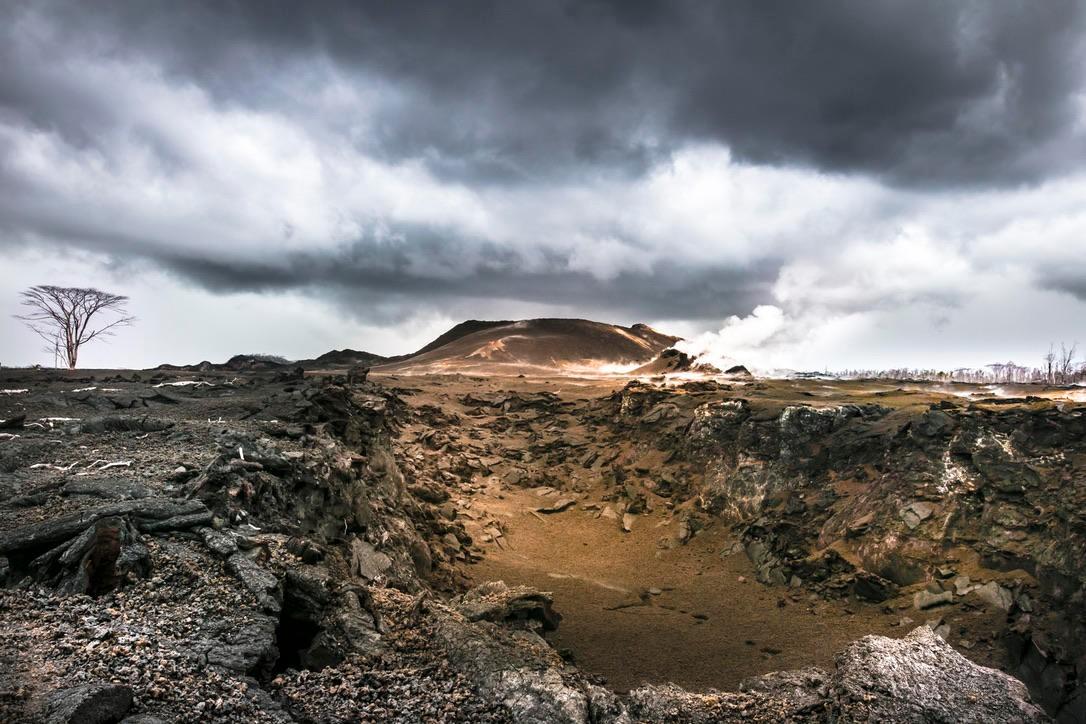
Pāhoa’s climbing personality is raw and compact. You won’t find long granite faces or polished limestone sport sectors here; instead, the climbing reads as a conversation with recent geology. Lava pours, once molten and fast-moving, cooled into ribs, columns, and fractured plates that yield short boulder problems, tricky top-ropes, and dynamic sea-cliff routes. Climbing around Pāhoa is as much about terrain-reading as it is about technique: route-finders prize friction and body tension on abrasive, often sharp stone, while deep-water soloists time climbs to tide and swell and trad-minded climbers piece together crack systems where they exist.
The approach to climbing in Pāhoa is neighborly and exploratory. Many of the best outings are less about established, numbered routes and more about structure and safety judgment—identifying solid anchors, testing holds, and knowing where to place a pad or set an anchor. That sensibility makes Pāhoa ideal for climbers who enjoy route-finding, bouldering on unique rock, and combining their climbing days with other volcanic experiences—hiking fresh lava fields, soaking in natural hot springs, or photographing coastal caves. Visiting climbers quickly learn local rhythms: check wind and trade-wind patterns, watch soft sand and rocky access points, and respect areas that are culturally sensitive or intermittently closed due to volcanic activity.
Because the area is active geologically and climatically, planning matters. The region’s microclimates can throw an afternoon shower or trade-wind gust at any time; tides and ocean conditions dictate when coastal cliffs are safe to climb or swim beneath. Many routes demand a low-to-moderate commitment in terms of approach length, but a high attention to footwear, skin protection, and anchoring technique—lava rock cuts fabric and skin easily. Pāhoa’s climbing appeals to people who want hands-on engagement with the island’s volcanic story: you leave with a sense of terrain that’s constantly evolving, and climbing routes that feel crafted by the earth’s most primal forces rather than by bolting crews and guidebook lists. Put plainly: if you want polished sport crags, you’ll look elsewhere. If you want vertical time on sharp basalt, memorable coastal lines, and climbing that pairs well with snorkel sessions and volcano viewing, Pāhoa is unusually compelling.