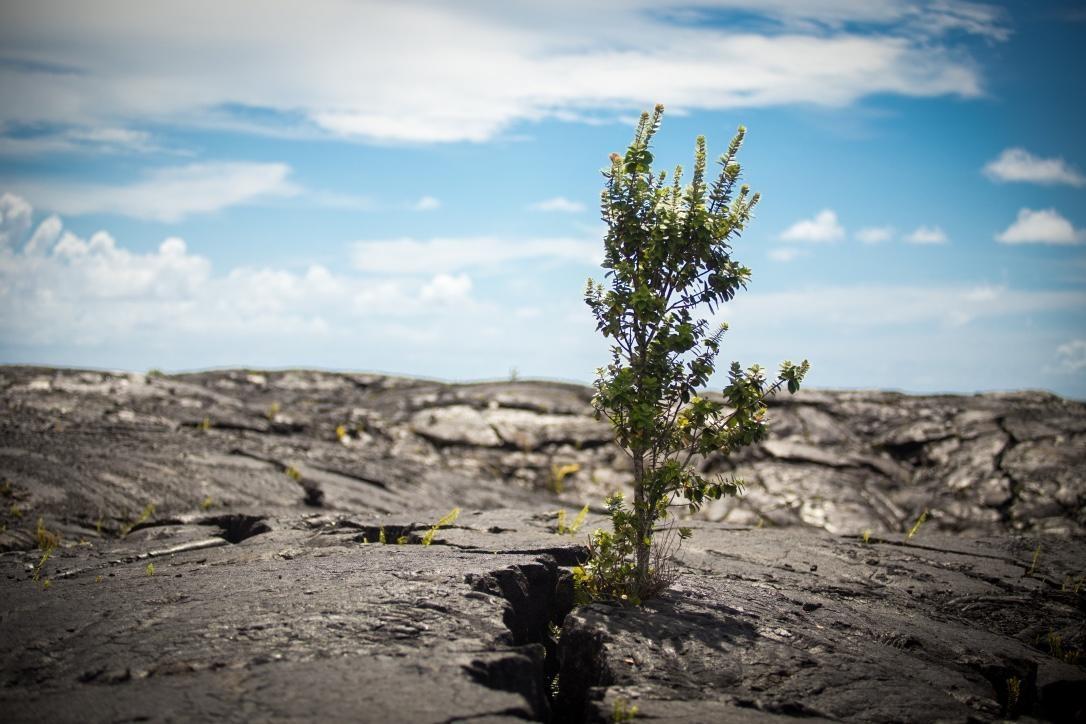
Pāhoa lives at a collision of elements—ocean, fire, and rainforest—that makes it an exceptional classroom for photographers. You won’t find one single iconic vista repeated on postcards; instead the visuals here are cumulative: blackened pahoehoe fields that curve like frozen ocean, sudden green pockets of fern and ʻōhiʻa pushing through cooled crust, and shorelines that hiss where molten rock once poured into the sea. For photographers, that means a diversity of subjects within short drives and short hikes—luminous surf against obsidian rock, textured lava tubes and flow fronts, delicate native plants reclaiming hardened basalt, and long, clear nights for Milky Way composition when vog and humidity allow.
A photography tour centered in Pāhoa is as much about learning timing and context as it is about lenses. Light here can be brutal at midday and miraculous during the last hour before sunset, when golden rays carve depth into dark volcanic textures. Early mornings often hold a thin coolness and the chance of rays filtering through rain forest mist. For aerial work and vantage variety, coastal roads and modest ridgelines provide angles that shift a subject from abstract pattern to narrative scene in a matter of minutes. Equally important are the low-light possibilities: when volcanic glow is active beyond the horizon, or when lunar phases combine with clear skies, the land can yield otherworldly long-exposure imagery. Practically, Pāhoa’s compact scale means a well-planned half-day tour can deliver a curated set of images—coastline abstracts, intimate flora, cultural markers, and landscape panoramas—without a lot of driving.
Photography here also asks for sensitivity. Many of the most compelling sites are layered with Hawaiian cultural meaning and contemporary land-use complexities. Respectful photography—staying on public access points, asking permission when entering private parcels, and honoring kapu and wahi kūpuna—is essential. Weather and volcanic activity are practical considerations that shape itineraries: vog (volcanic haze) can soften or wash out distant detail but can also create dramatic mood, while sudden showers can flip a sunny plan into a glistening wetland shoot. A good local guide can save hours by reading light, selecting safe vantage points near recent flows, and navigating access nuances. Finally, Pāhoa rewards patience. The best images here come from repeated visits to the same corridor at different times of day and under different atmospheric conditions—an approach that turns a short tour into an unfolding study of place.