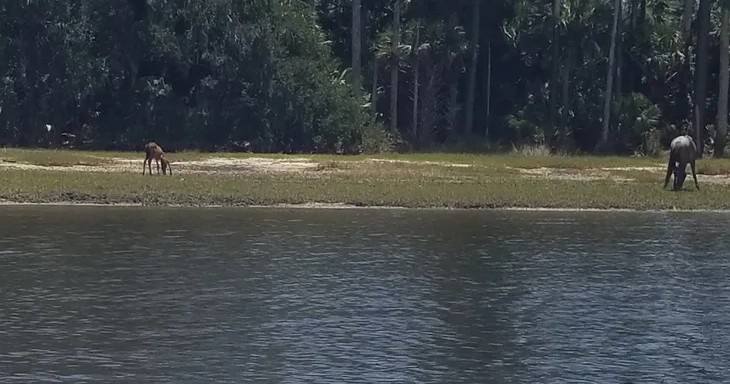
Palm Valley is the sort of place that rewards looking: the details are in the low, pulsing estuary tides, in the arc of a migrating heron, in the weathered clapboard of a century-old coastal cottage. Sightseeing here isn’t about ticking landmarks off a list; it’s about following a coastal narrative that’s equal parts natural history and human stewardship. Tours—whether aboard a shallow-draft boat, from the seat of a bike, or on foot with an interpretive guide—are how that story comes into focus. Guides translate subtle signs of the estuary: where oysters bead a channel marker, which inlet will be productive for shorebirds, or how the dune grasses are faring after the most recent storm.
The terrain is inherently accessible but varied: broad sandy beaches and dune corridors sit alongside tidal creeks that carve networks through salt marsh. Sightseeing operators tailor experiences to those contrasts. There are family-friendly options that move slowly—boardwalk strolls and short narrated drives that introduce local flora and coastal geology—and more active outings that pair sightseeing with mild adventure, like guided paddles through bird-rich creeks or e-bike loops along coastal lanes. Because the landscape is low and flat, sightings tend to be intimate rather than panoramic: much of the drama is down at eye level—wading birds, crabs, and the delicate bloom of marsh plants—so binoculars and a patient guide can make a short trip feel like a deep exploration.
Beyond ecology, many tours weave in human stories: coastal development patterns, the legacy of early settlement and maritime industries, and recent conservation efforts that shape access and habitat quality today. Sightseeing in Palm Valley connects you to these layers without heavy exertion—ideal for travelers who want the sensory detail of a nature outing with the context of a museum talk. Seasonality subtly shapes the experience: fall through spring brings migrating birds and cooler, clearer days; summer is lush and alive but also humid and more prone to afternoon storms. Planning with a trained local operator maximizes sightings and minimizes surprises: guides know tides, migratory windows, and the best vantage points for light and wildlife.
In short, sightseeing tours here are not passive. They’re curated invitations to read a fragile coastal landscape: to notice patterns, understand risks, and leave with practical knowledge as well as images. For travelers who want accessible adventure with a reflective edge—birding, soft paddling, short drives, and interpretive walks—Palm Valley’s tours deliver a quiet but resonant coastal education.